

Discover the ultimate toolkit for international students job hunting abroad. Explore visa-friendly job boards, mentorship platforms, portfolio builders, and salary negotiation tools to boost your career.

PhD-Hunt uses AI to simplify your search, ranking the best academic positions to help you find the perfect PhD opportunity faster.
Discover trusted portals, university career pages, and strategies to find postdoctoral fellowships worldwide. Explore opportunities in the USA, Europe, Australia, Canada, and India.


Unlock 10 advanced AI prompting techniques—from role play to simulations—for smarter answers, deeper insights, and boosted creativity.

Discover Research Stash — a curated platform offering the best digital tools for STEM researchers, students, and educators. Explore AI tools, writing aids, coding resources, and more to boost your productivity.
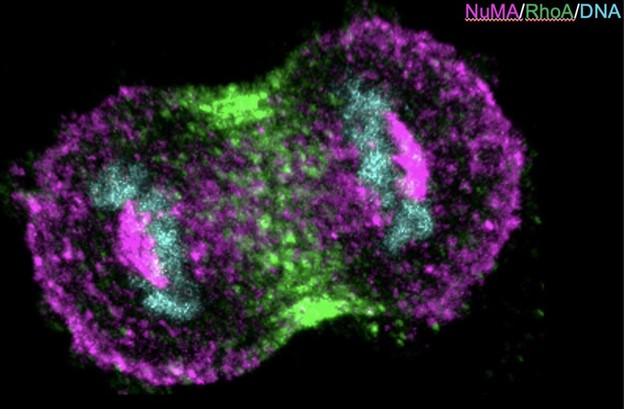
Researchers at IISc Bengaluru have deciphered how specific essential protein complexes are distributed across two regions in the cell membrane.

A recent study conducted by researchers from the National Centre for Polar and Ocean Research, has revealed the reasons behind the lowest Antarctic Sea Ice Extent
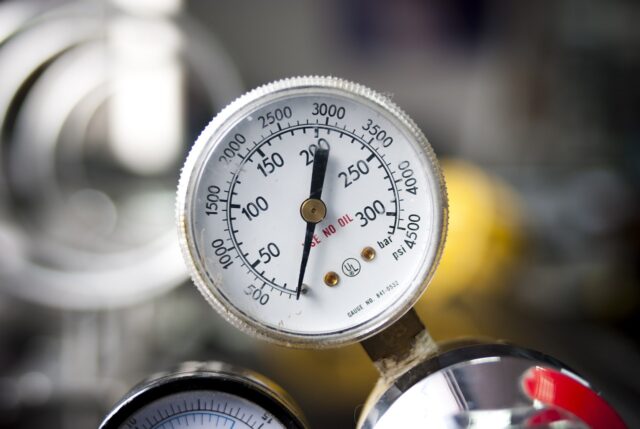
Researchers at the Bengaluru-based Indian Institute of Science has now fabricated pressure sensors that use paper as the medium
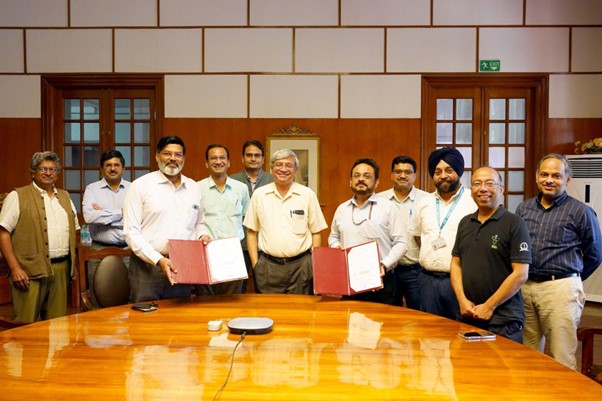
ICMR and IISc will develop a technology-enabled hub-and-spoke system for collecting and curating data through institutions across the country
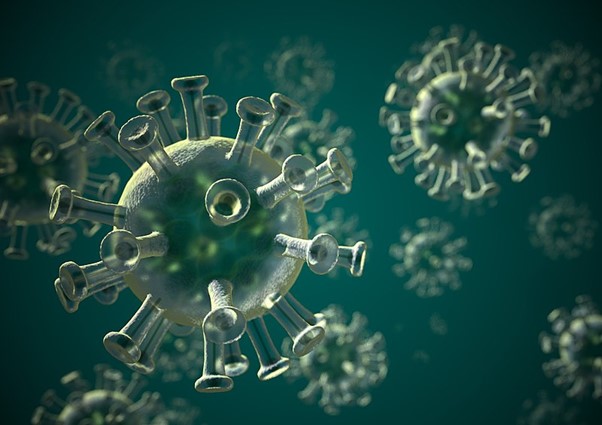
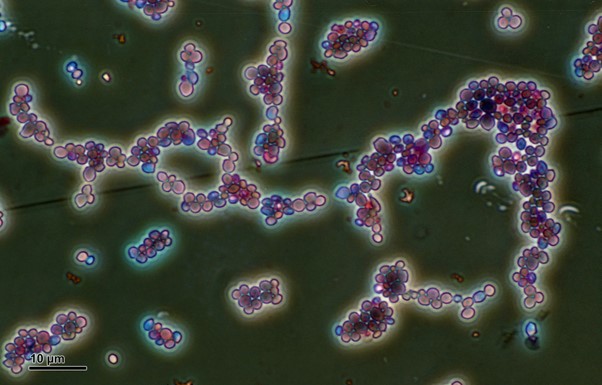
A team of researchers from Bengaluru-based Jawaharlal Nehru Centre for Advanced Scientific Research has identified a gene that holds the key to preventing the fungal infection Candidiasis that often affects intensive-care unit patients, cancer patients and patients receiving immunosuppressive therapy.
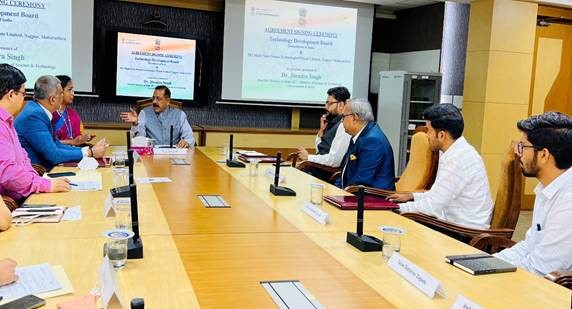
The Union Minister of Science & Technology Dr. Jitendra Singh has approved a loan of Rs 1.15 crores to a Maharashtra-based start-up, M/s TGP Bioplastics to manufacture and commercialise a “compostable” plastic material.
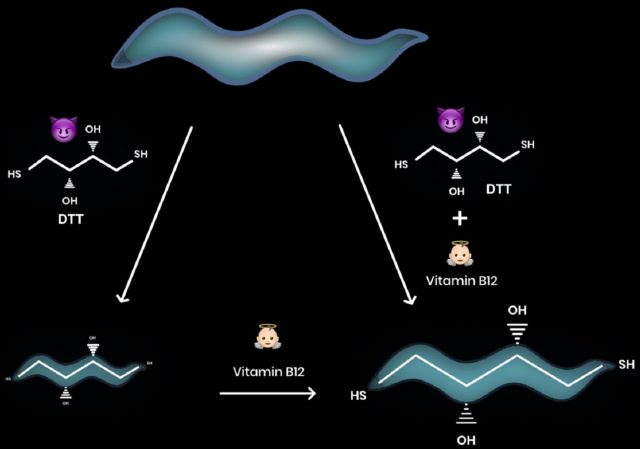
A team of researchers at the Indian Institute of Science Education and Research Mohali has revealed that the thiol reducing agent Dithiothreitol (DTT) causes toxicity
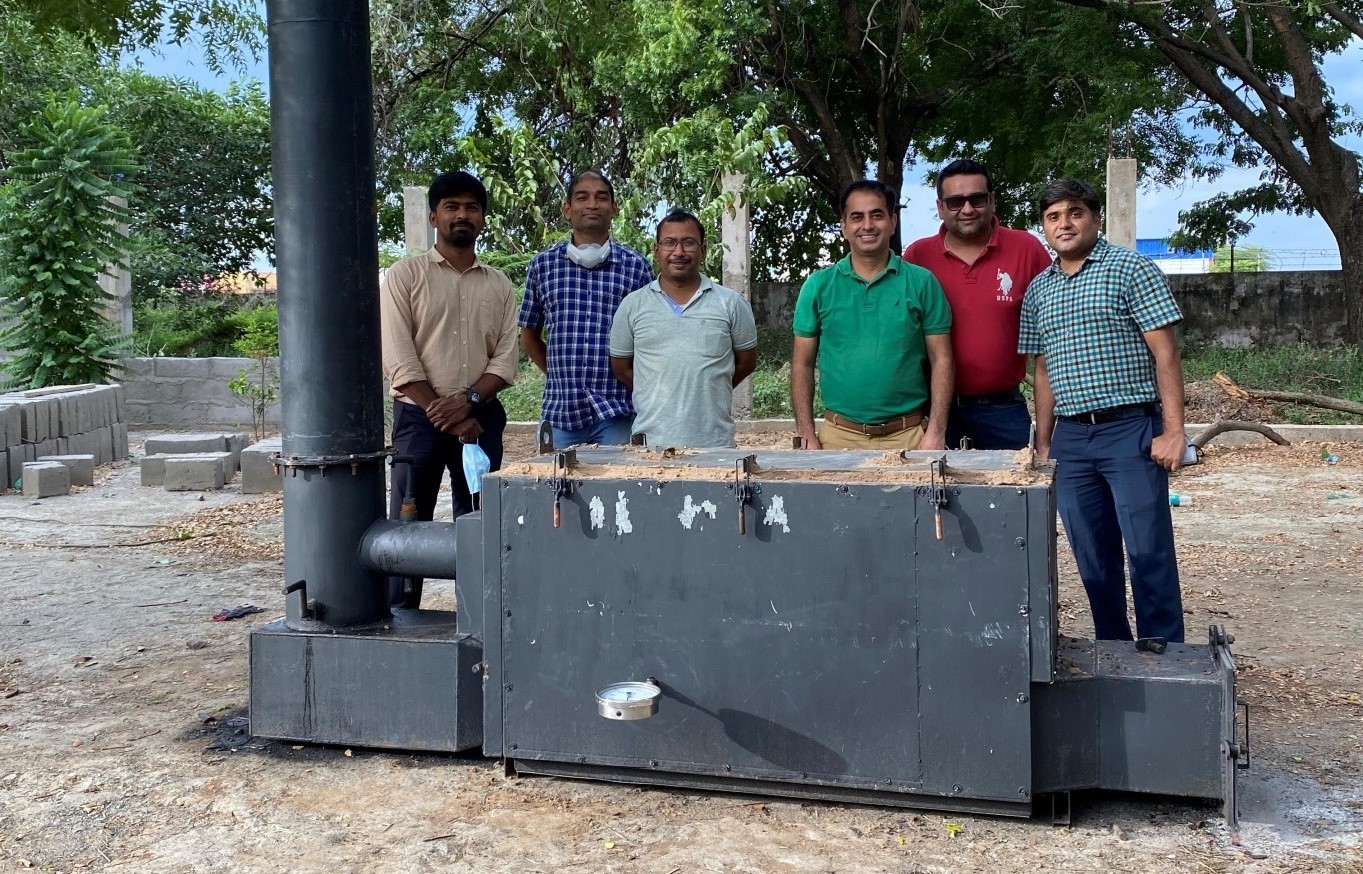
Researchers at the Indian Institute of Technology, Guwahati, have developed a novel improved natural draft charcoal retort to address the technological and capital investment challenges of Indian charcoal makers
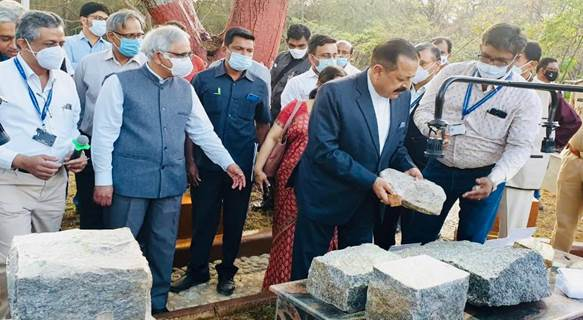
The Union Minister of State Science & Technology Dr. Jitendra Singh inaugurated the country’s first open rock museum in Hyderabad, on Thursday.
New drugs could soon be in the offing for Zika virus infection with a team of scientists at the Institute of Medical Sciences in Banaras Hindu University, Varanasi, getting new insights into how the virus multiplies inside the host.

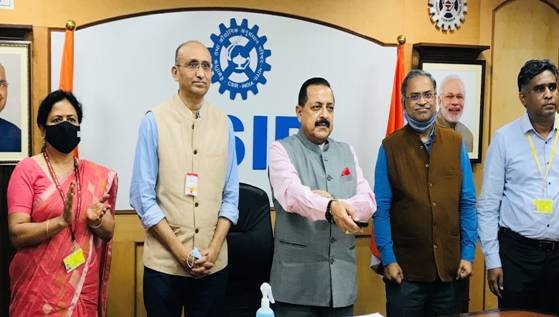
Advanced 650 teraflops supercomputing facility was inaugurated at National Agri-Food Biotechnology Institute, which will act as a facilitator for start-ups working in areas like telemedicine, digital health, mHealth with big data, AI, Blockchain, and other technologies.
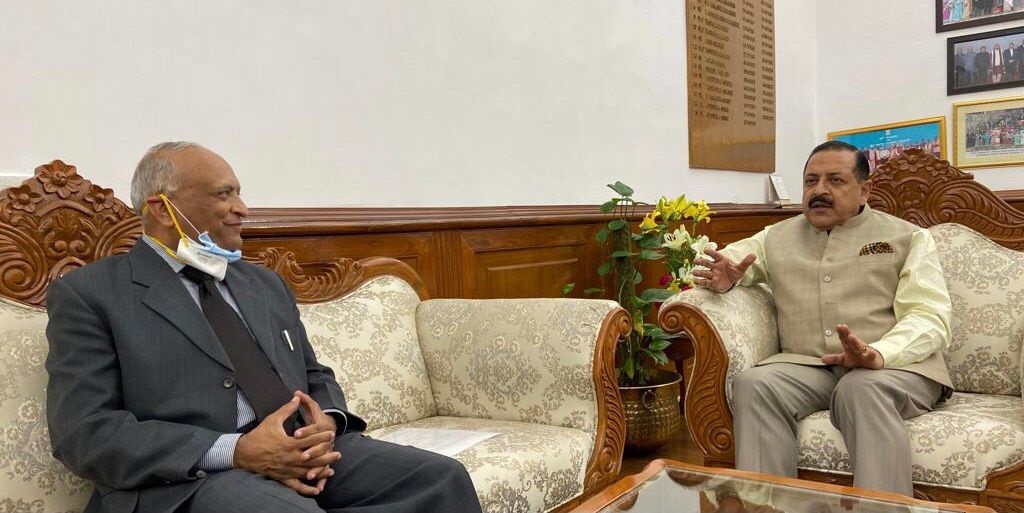
The Council of Scientific and Industrial Research in collaboration with the Government of the Union Territory of Ladakh, will start commercial cultivation of sea buckthorn berry from the coming spring season in Ladakh.

A new research study has shown that the planets going around stars other than the Sun can also be studied by observing the polarization of light and studying polarisation signatures or variations in scattering intensity of light
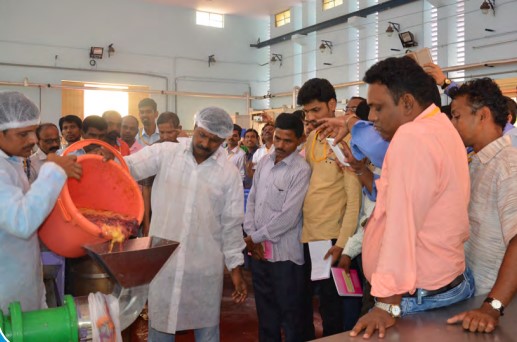

A research group at the Centre for Neuroscience and the Department of Computer Science and Automation at the Bengaluru-based Indian Institute of Science (IISc) has been studying the issue and has come up with a computational model of eye movement that can predict a person’s ability to detect changes in the visual environment.
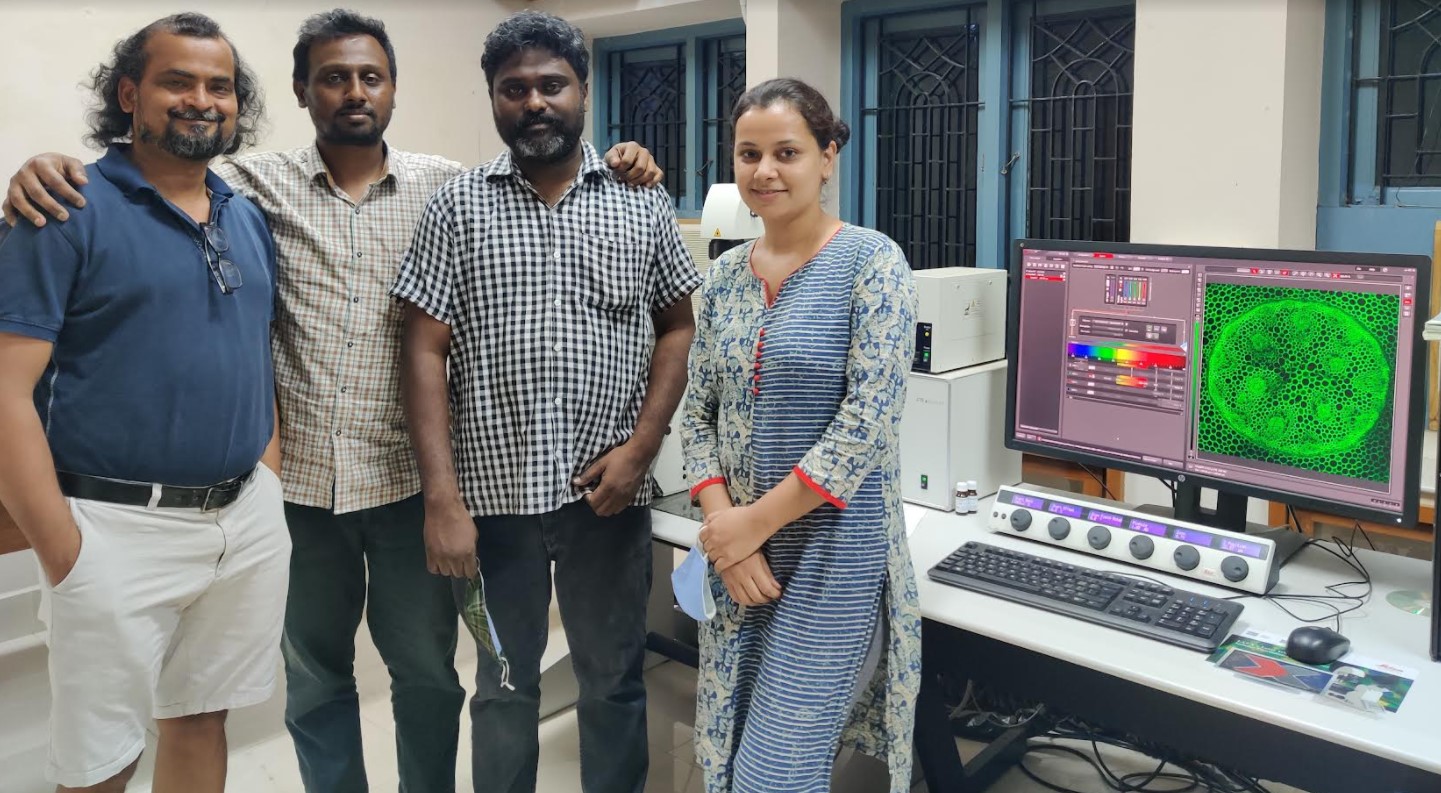
Researchers at the Indian Institute of Technology Madras have successfully developed a white light emitter for use in LEDs. The development of energy-efficient Light Emitting Diodes or LEDs replaced the energy-inefficient incandescent lamps in lighting and display applications. While LEDs have been available in almost all colors, white LEDs are a more recent development.

A new laser-based clad coating technology has been developed that promises to help enhance the life of boilers used in thermal power plants by two to three times compared to currently used surfacing technologies


Researchers have identified the source and the chemical composition of air pollutants in the central Indian Himalayas

Researchers have shown that a small peptide molecule consists of four amino acids, named “Insulock” prevents both heat and storage induced insulin fibrillation and thereby loss of effective quantum of insulin.
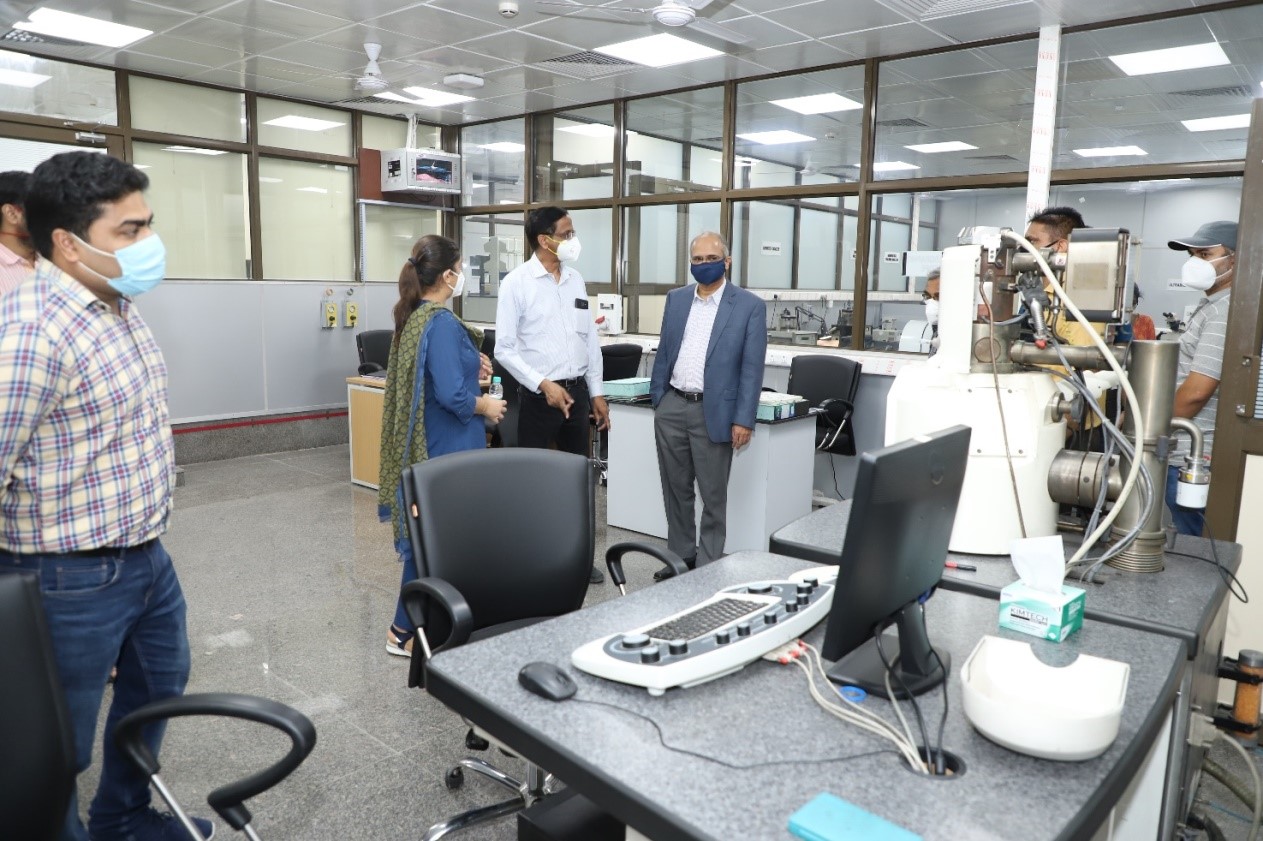
As part of an effort to boost the research ecosystem at the Indian Institute of Technology (IIT) Delhi, the Central Research Facility (CRF) was established in the year 2011, where all the central facilities were brought under a single umbrella
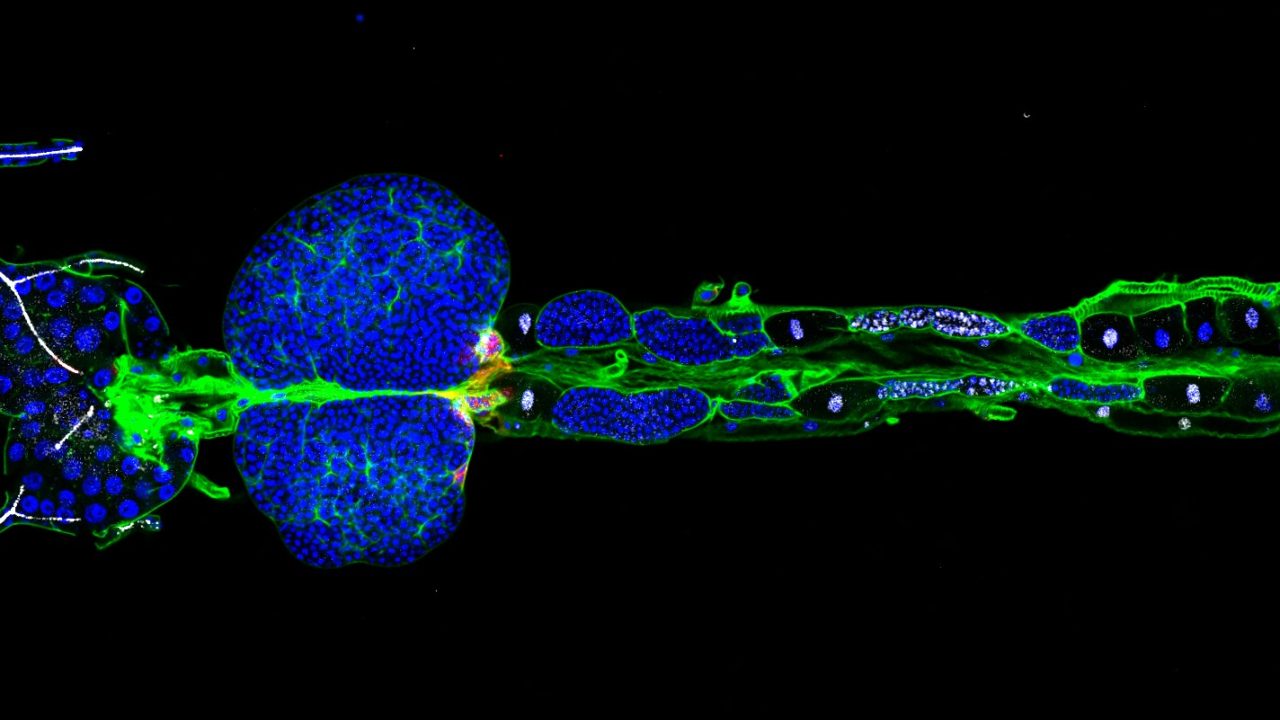

Researchers from the IIT, Bombay, have demonstrated a new technique to effectively reduce measurement errors when soot is present in low amounts.

Efforts to make use of mangrove plants to meet the increasing need for food production in the wake of a growing world population could get a major boost with a team of Indian researchers reporting a reference-grade genome of a highly salt-tolerant mangrove species called Avicennia marina. It grows optimally in 75% seawater and can tolerate even 250% seawater.
Researchers at the Indian Institute of Science Education and Research Bhopal have sequenced the genome of Giloy, a medicinal herb that is extensively used in allopathic pharmaceuticals and ayurvedic formulations to treat various health conditions

The researchers have found that the Roman Catholics of Goa, Kumta, and Mangalore regions are the remnants of very early lineages of a Brahmin community of India, majorly with Indo-European-specific genetic composition.
A group of researchers from the Indian Institute of Technology Guwahati and the Bhabha Atomic Research Centre, Mumbai has developed a new material that promises to improve the efficiency of electrodes used in supercapacitor devices
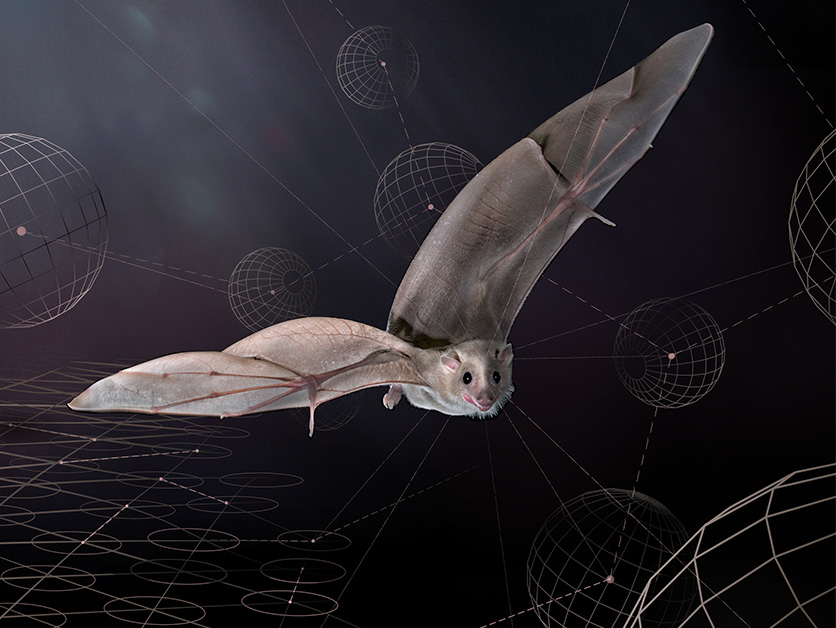
In a new study published in Nature today, Weizmann Institute of Science researchers, in collaboration with colleagues from the Hebrew University of Jerusalem, unveiled for the first time how three-dimensional space is represented in the mammalian cortex by the brain’s “GPS” system.
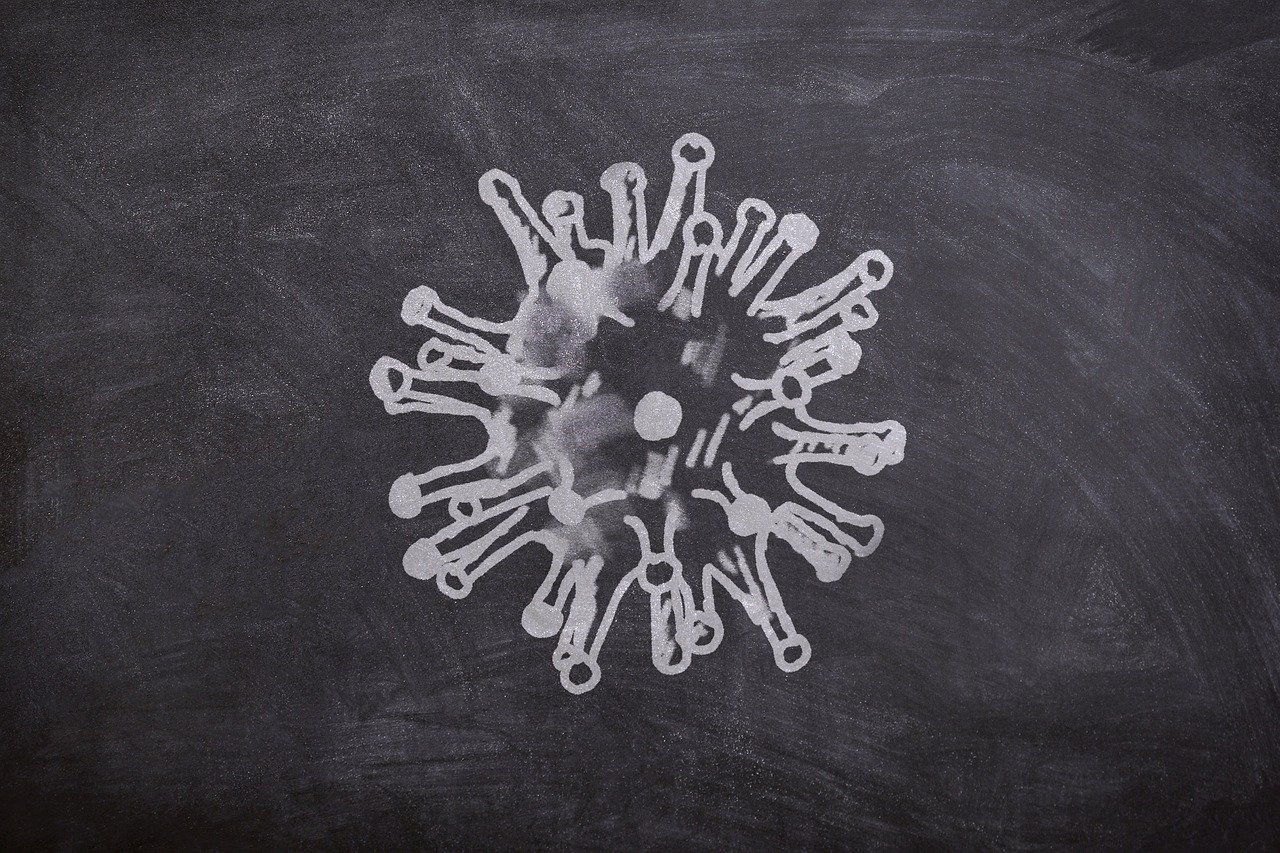
The study led by Massachusetts General Hospital for Children and Brigham and Women's Hospital, Boston, USA, has revealed the critical mechanism that triggers the onset of Multisystem Inflammatory Syndrome in children.
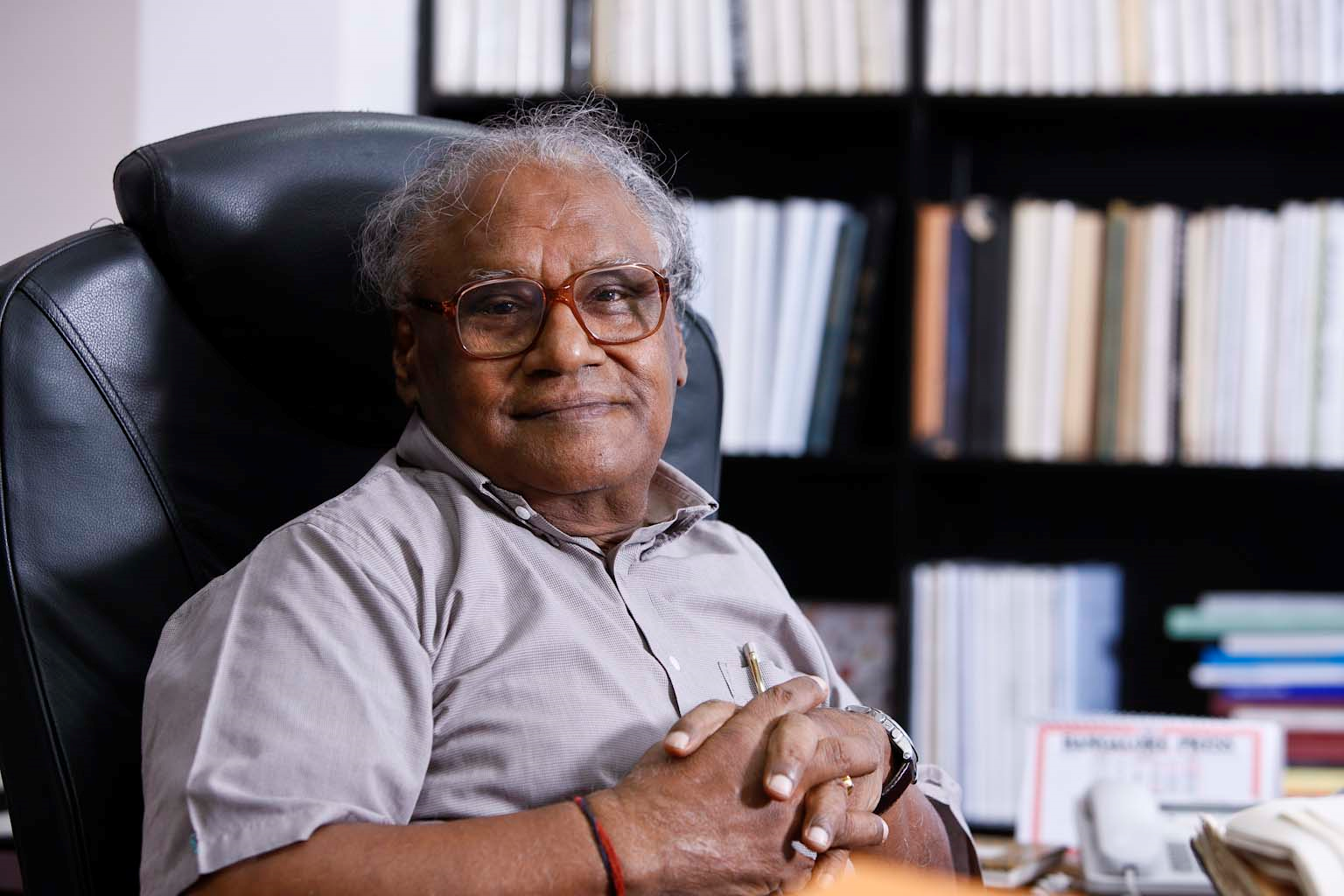
Bharat Ratna Professor C.N.R. Rao receives the Eni International Award for Research in Energy Frontiers
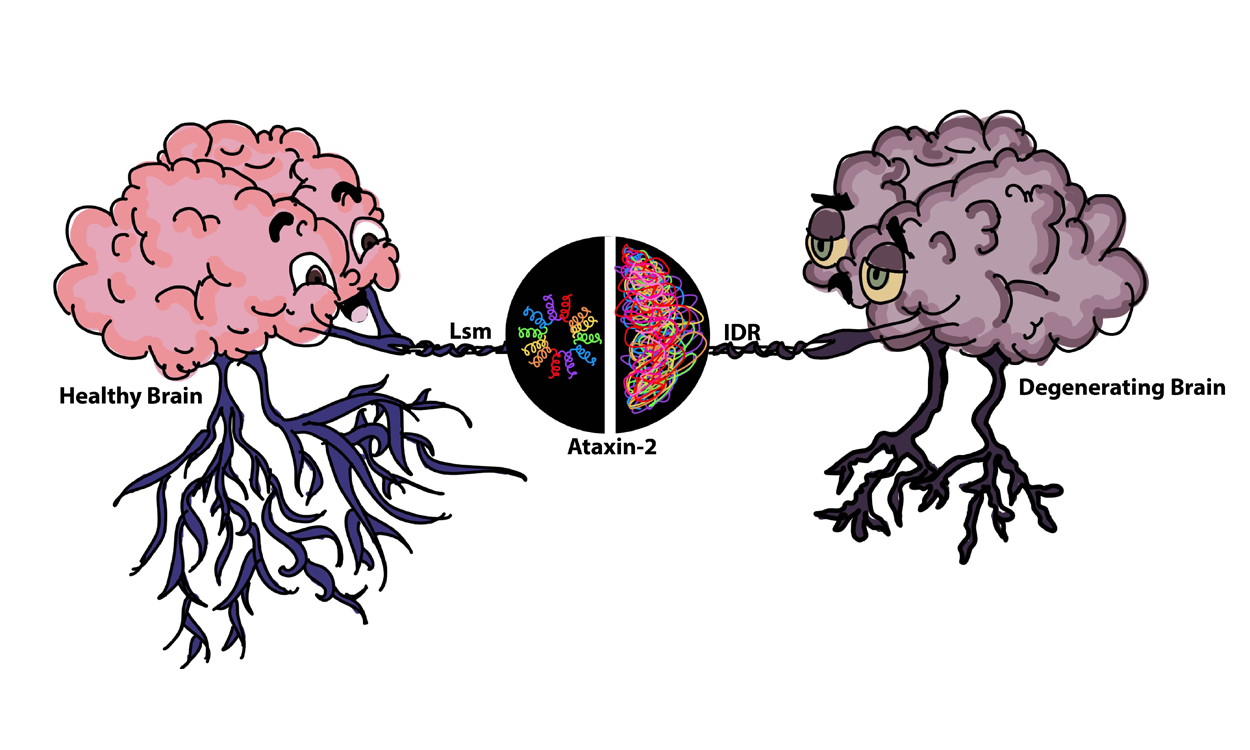
Using the Drosophila as a model, scientists have provided new insights for the development of therapeutics for targeting a gene, Ataxin-2.
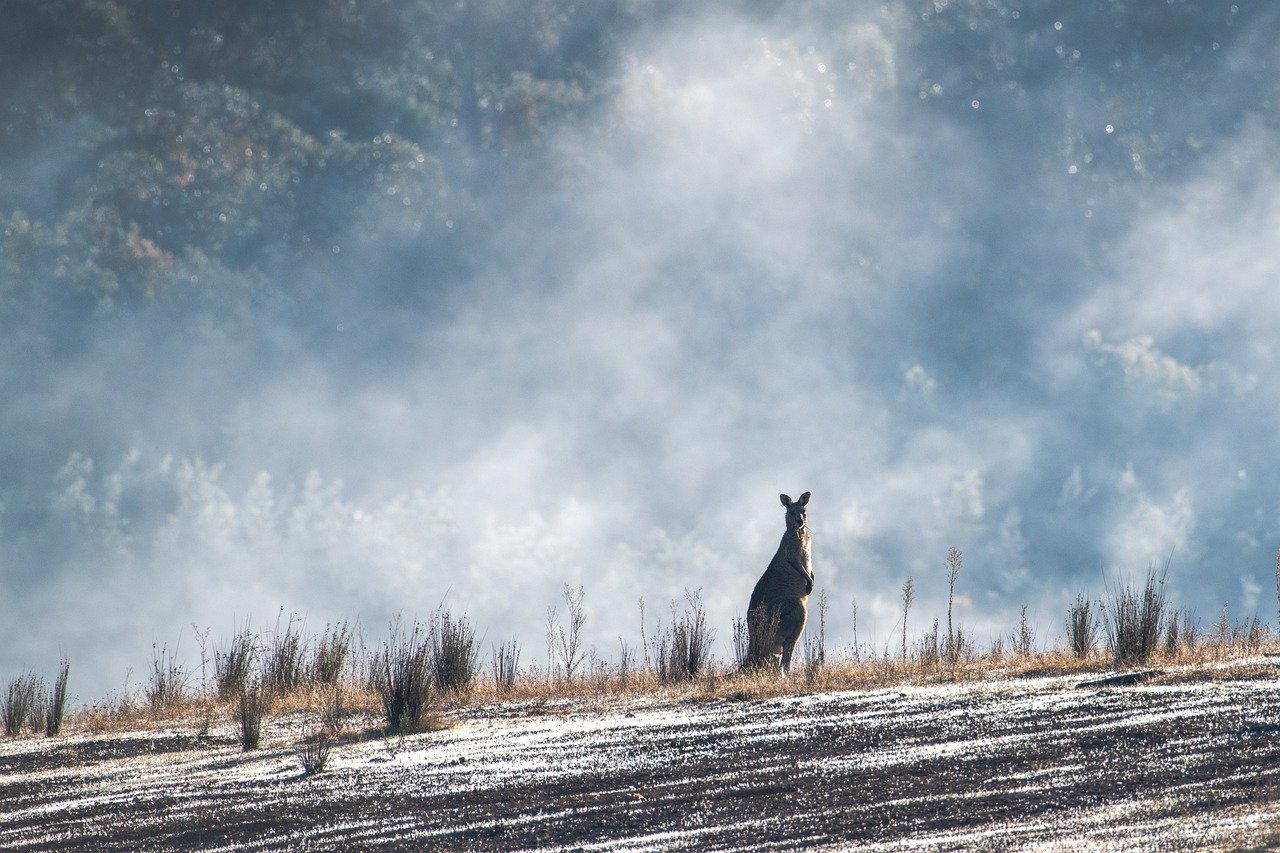
A study uncovers how some Australian fires produced a spreading stratospheric haze rivaling that of a volcanic eruption

Indian Institute of Technology-Madras has launched a new program to boost its women leadership with an endowment fundraised from its alumni and CSR grants
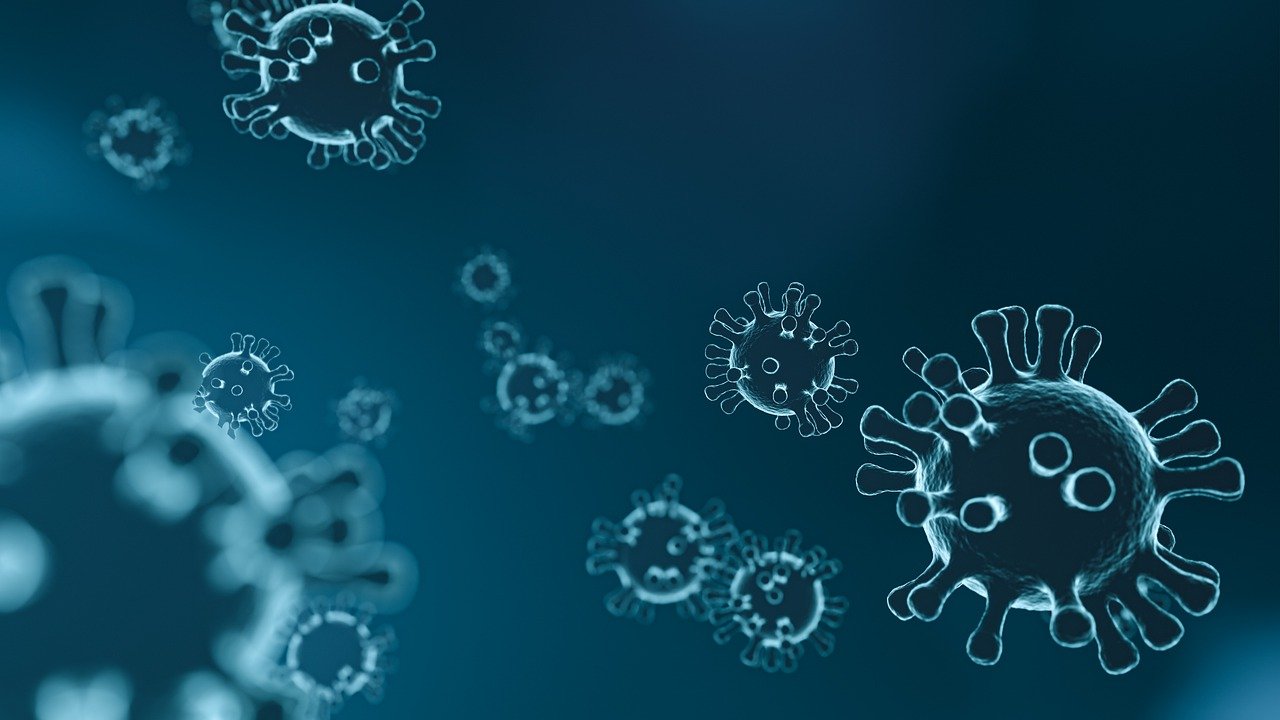
Efforts to find an effective treatment for the Zika virus could get a boost with researchers at the Indian Institute of Technology Indore identifying some structures in the genetic makeup of the virus that could be used as targets for drugs.


The Ministry of Earth Sciences (MoES) launched a new application to integrate and enhance the accessibility and utility of oceanographic data in the country.
The Vice President of India, Shri M. Venkaiah Naidu today expressed happiness that India was on the verge of releasing its own indigenous COVID vaccine and complimented the scientists who have made this possible

A total of 20 films have bagged awards at the International Science Film Festival of India (ISFFI) 2020, which was held as part of the sixth India International Science Festival 2020 held from December 22-25

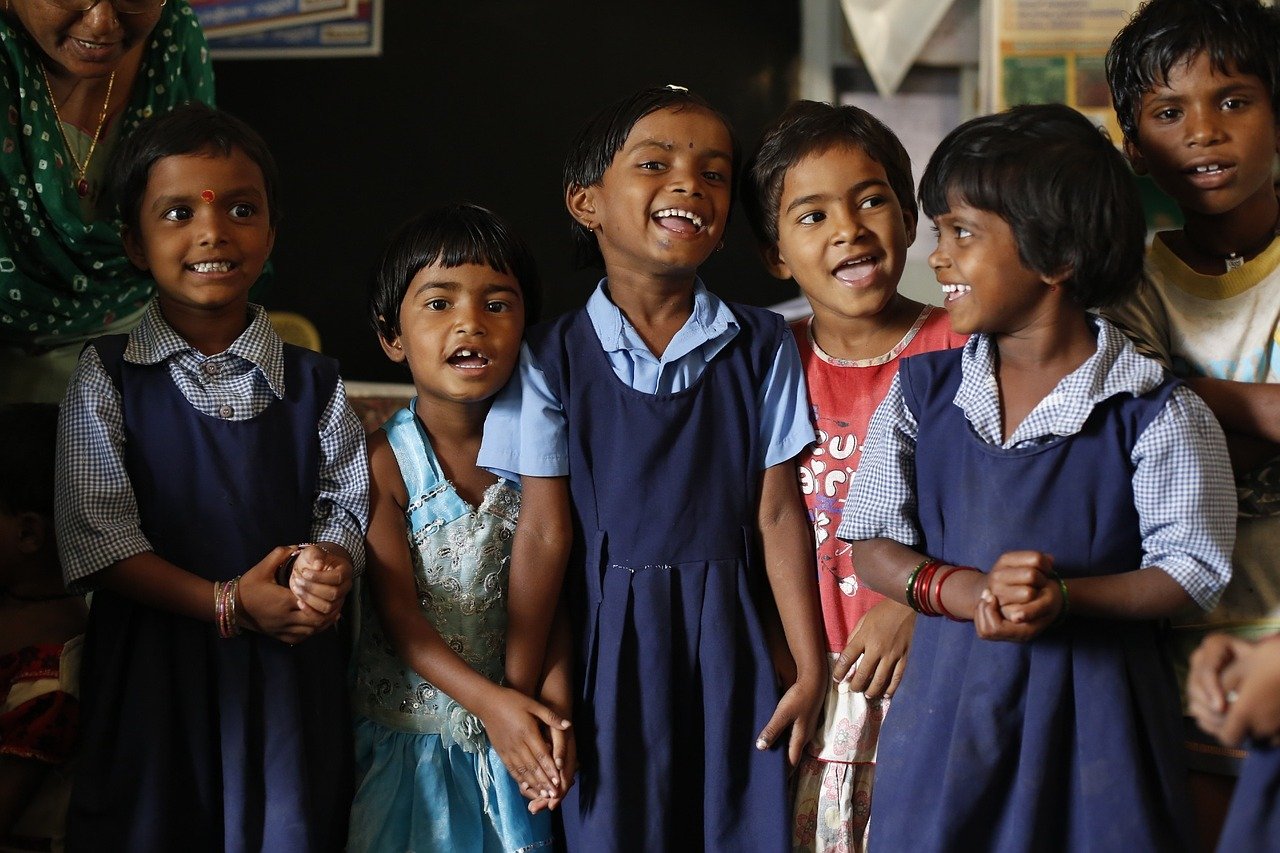
Science communication is an integral part of our daily lives in modern times. Rapidly growing India needs more science communicators to let its people keep abreast of scientific and technological advancements.

In a significant development in the area of ophthalmology, a team of researchers has come out with a finding that shows the possibility for a cure for the progressively irreversible retinal degenerative disease which causes partial or complete blindness

The researcher concluded that the accumulation of fluoride in water is not due to evapotranspiration or due to calcite precipitation. Fertilizers are sources of fluoride contamination.

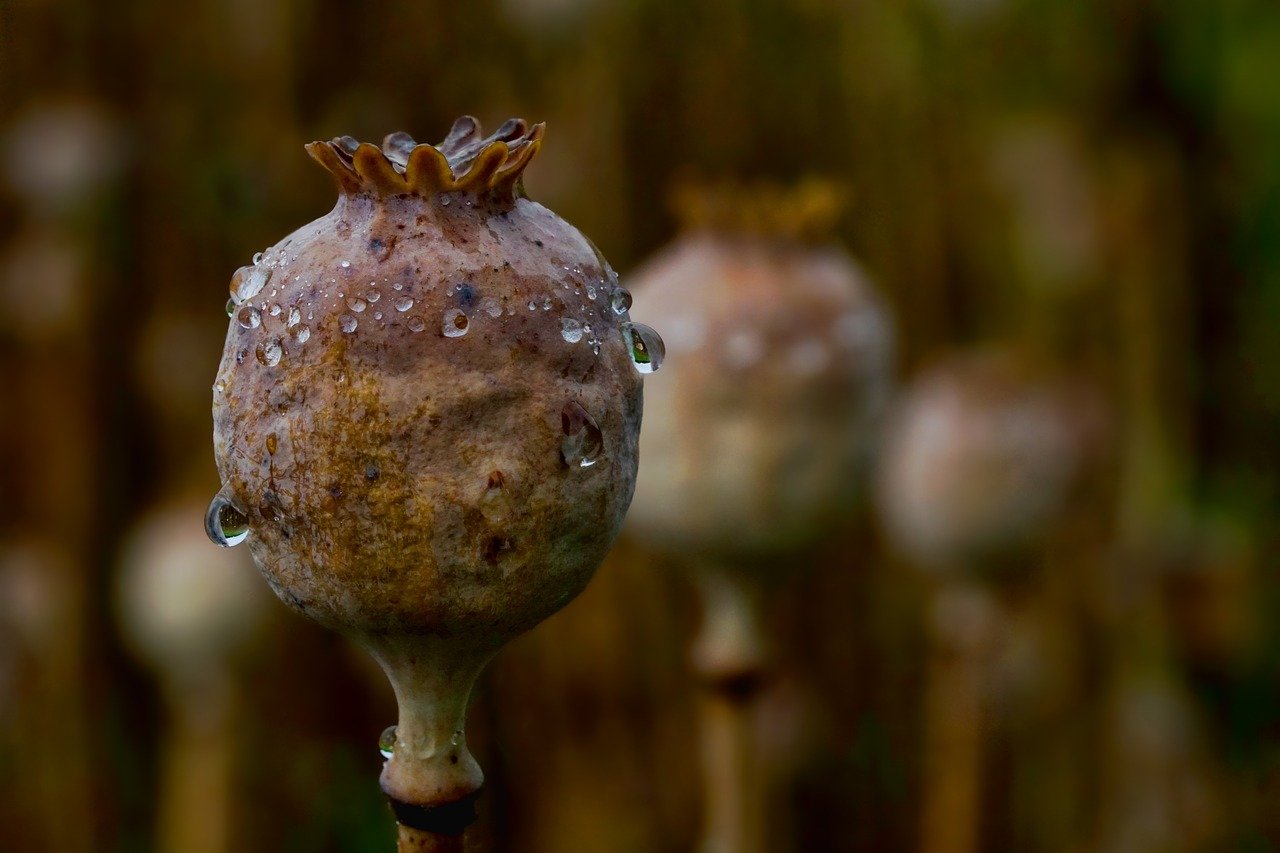
Researchers from the Indian Institute of Technology, Mandi have unraveled the mechanism by which insulin overload in the body causes insulin resistance that is associated with diabetes.
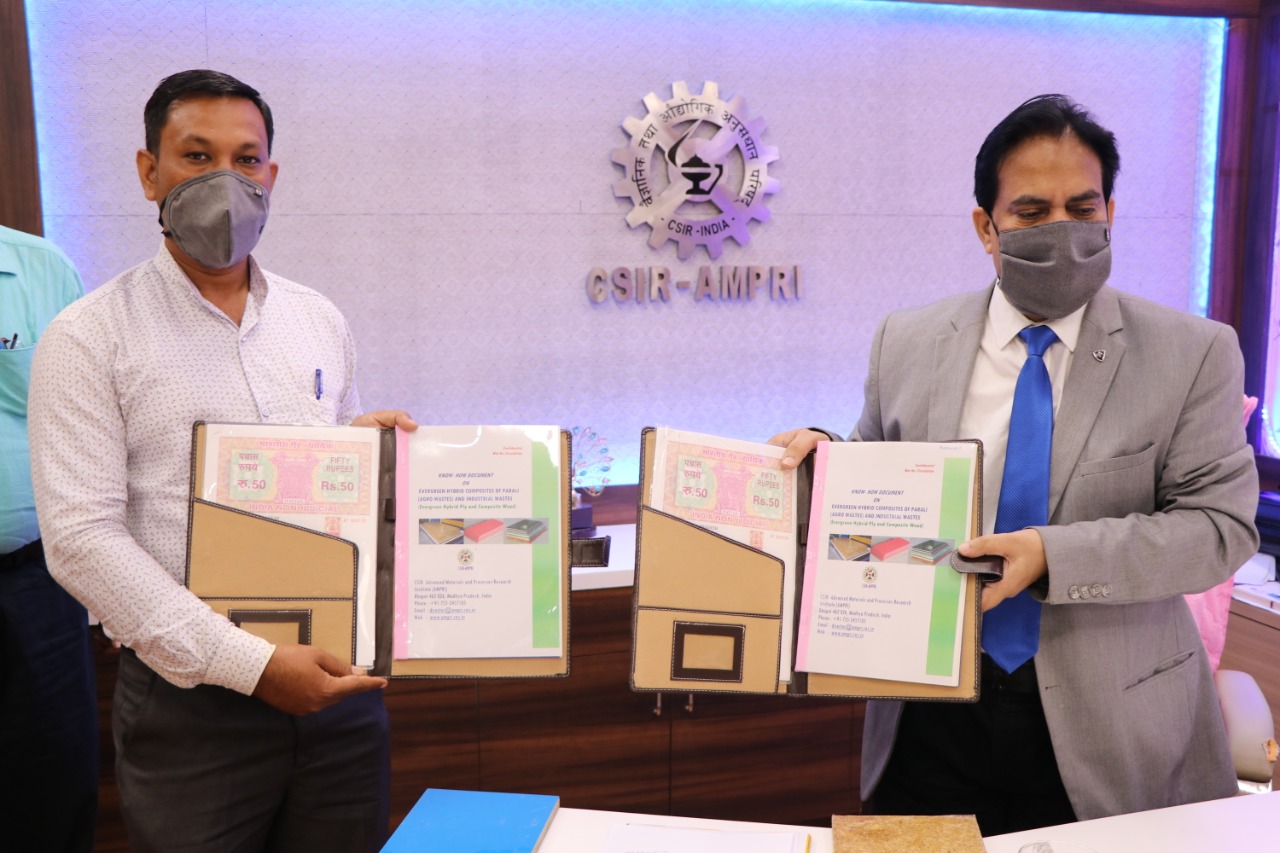
The Council of Scientific and Industrial Research-Advanced Materials and Processes Research Institute researched to find a productive way to manage the agro-industrial waste.
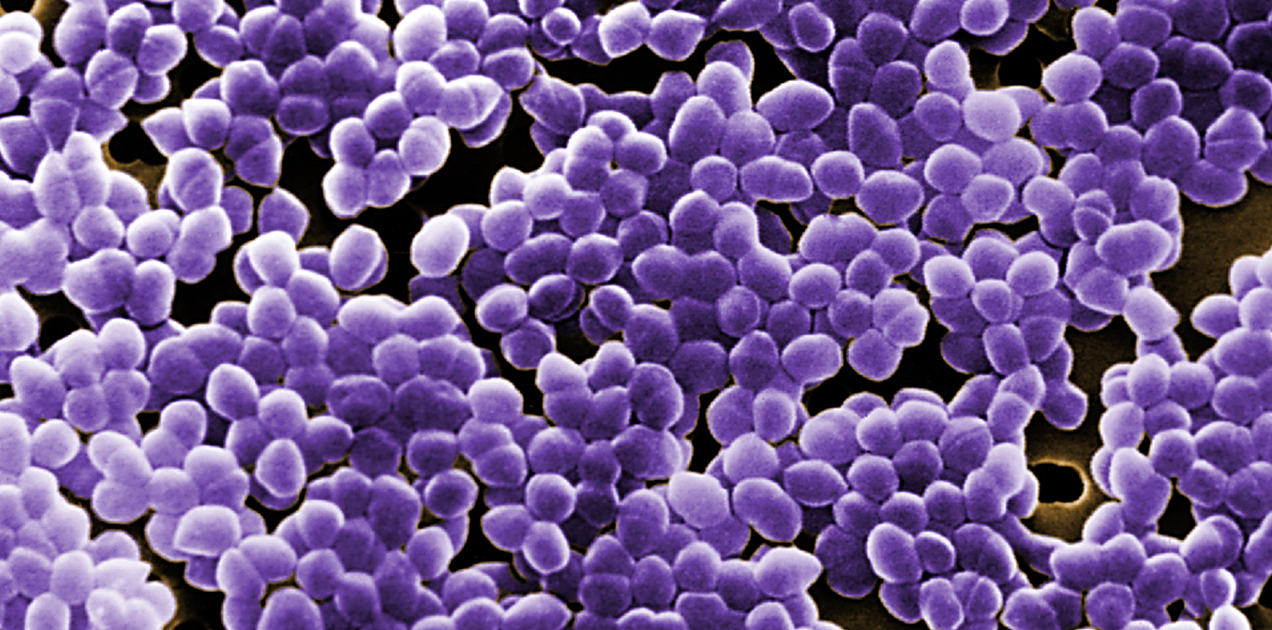
Scientists at the National Institute of Ocean Technology, Port Blair, have developed a highly effective kit to detect the multi-drug-resistant strains of the gram-positive bacteria Enterococcus faecalis
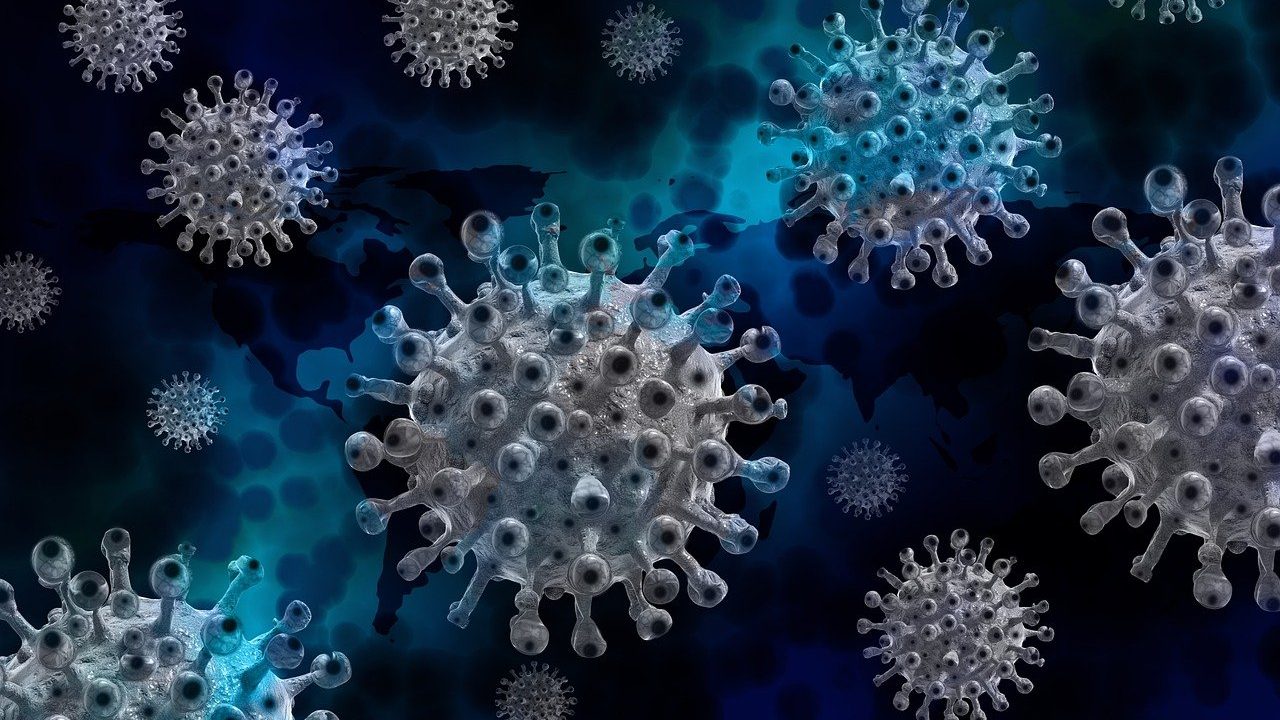

A team of scientists has identified black pepper, the everyday kitchen spice, as a possible candidate for developing a drug against COVID-19
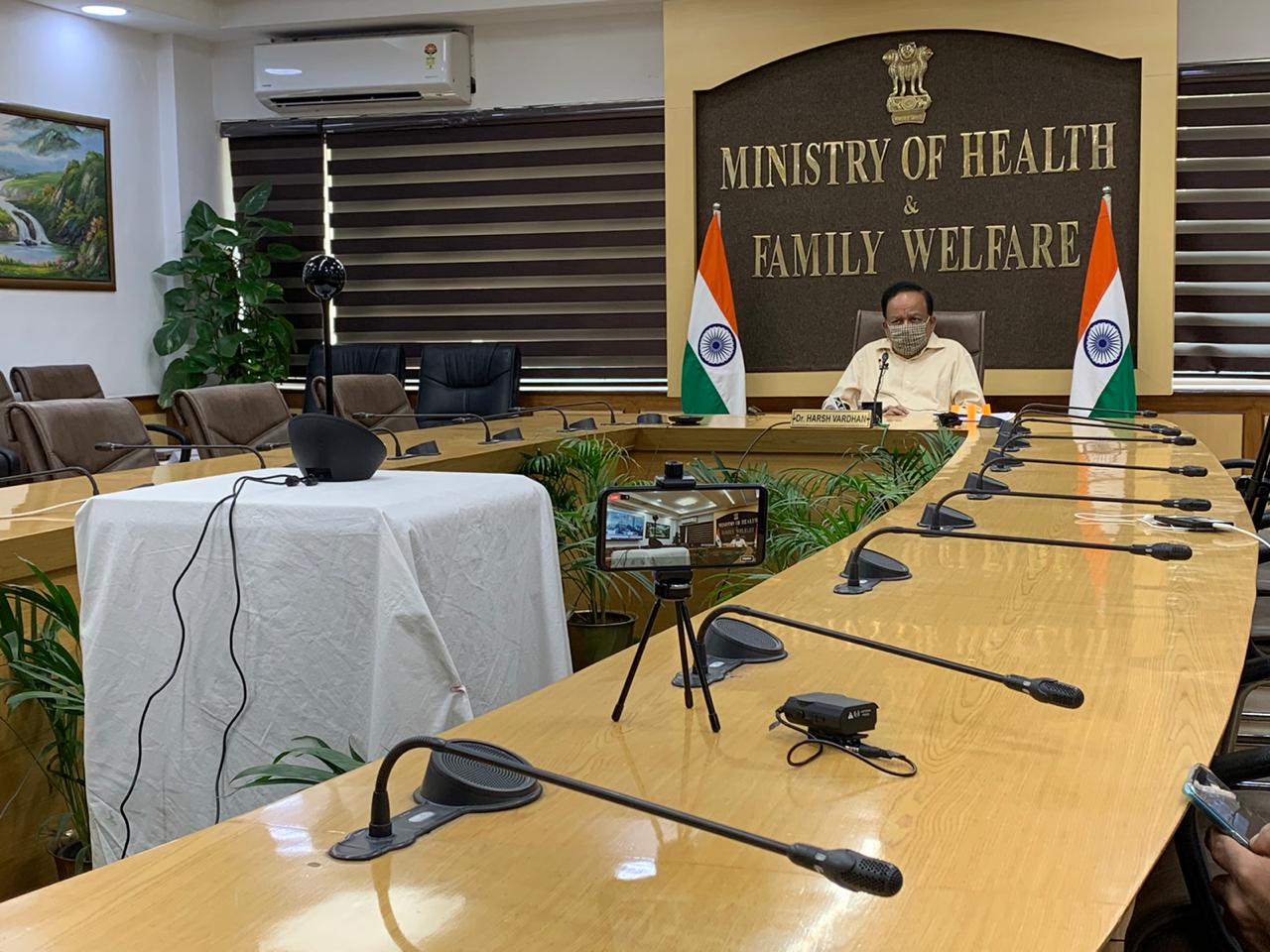
In a joint initiative of the Council of Scientific & Industrial Research, Unnat Bharat Abhiyan, Indian Institute of Technology Delhi, and Vijnana Bharti, a set of CSIR technologies have been launched for rural development
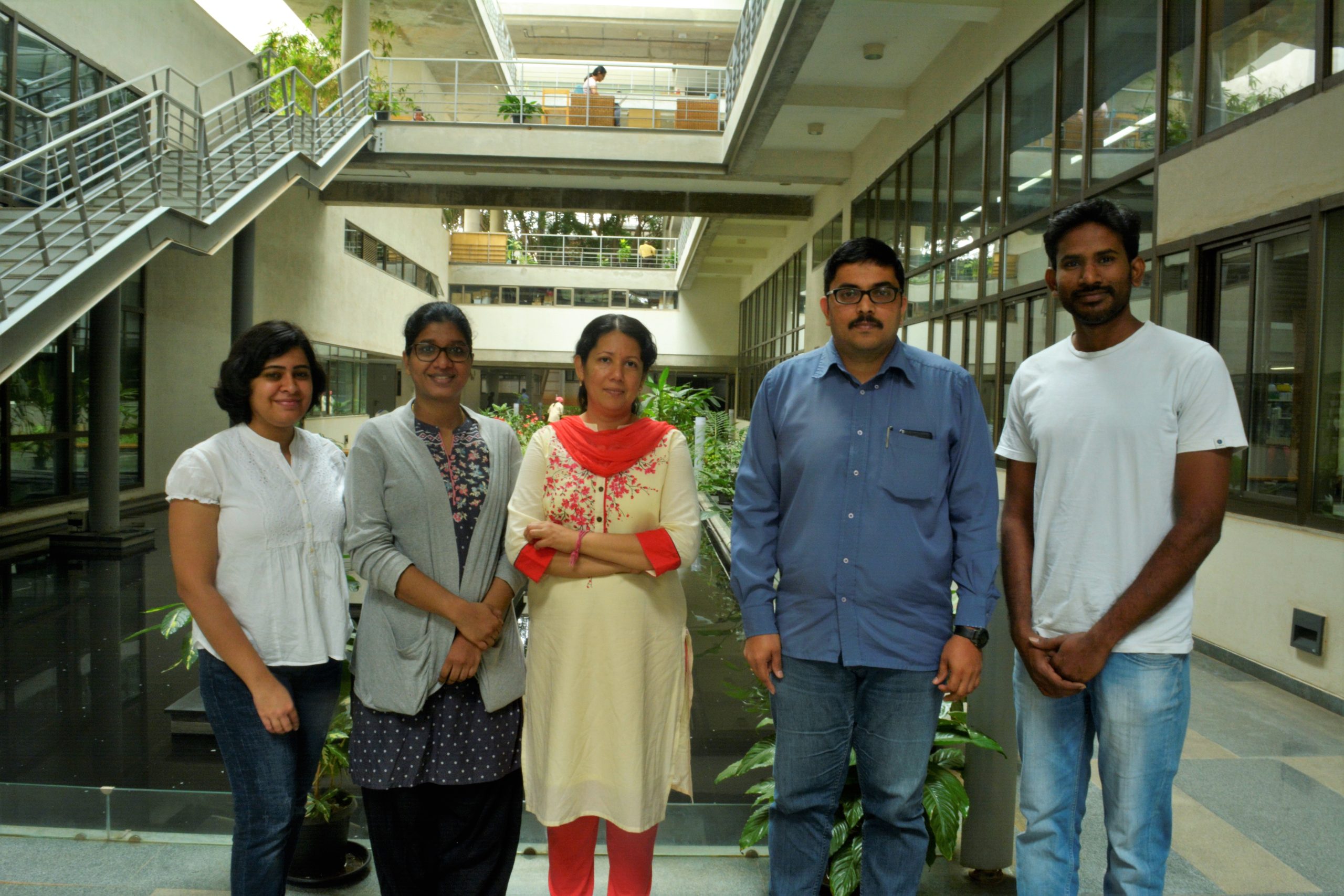
Scientists at the Tata Institute of Fundamental Research’s Bengaluru-based National Centre for Biological Sciences has identified a protein that has a critical role in the holding of the grains in the panicles of rice crops
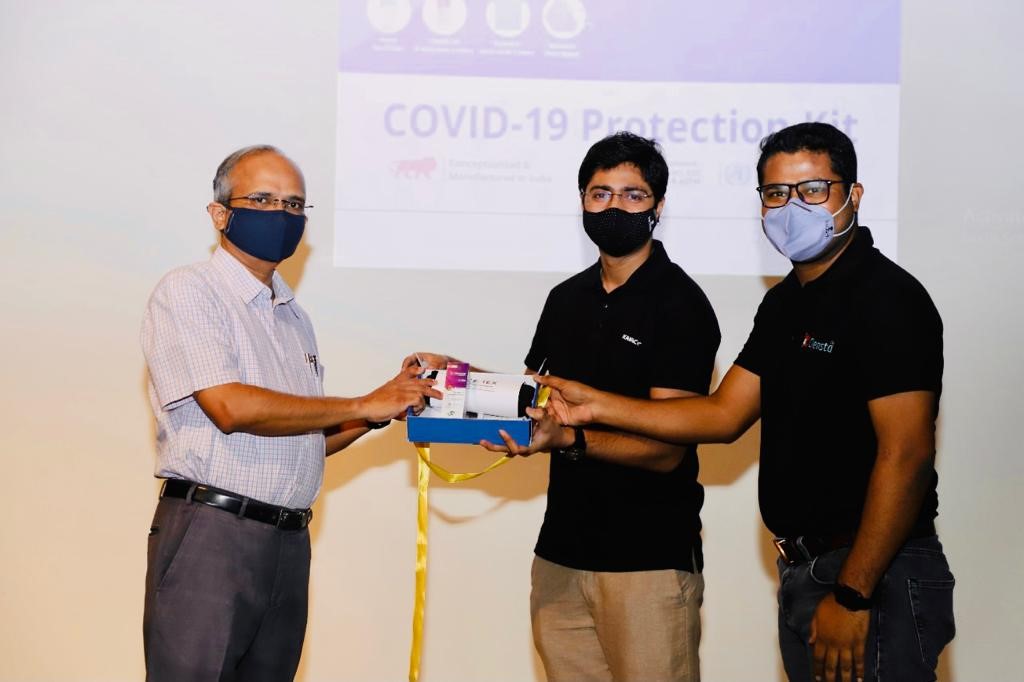
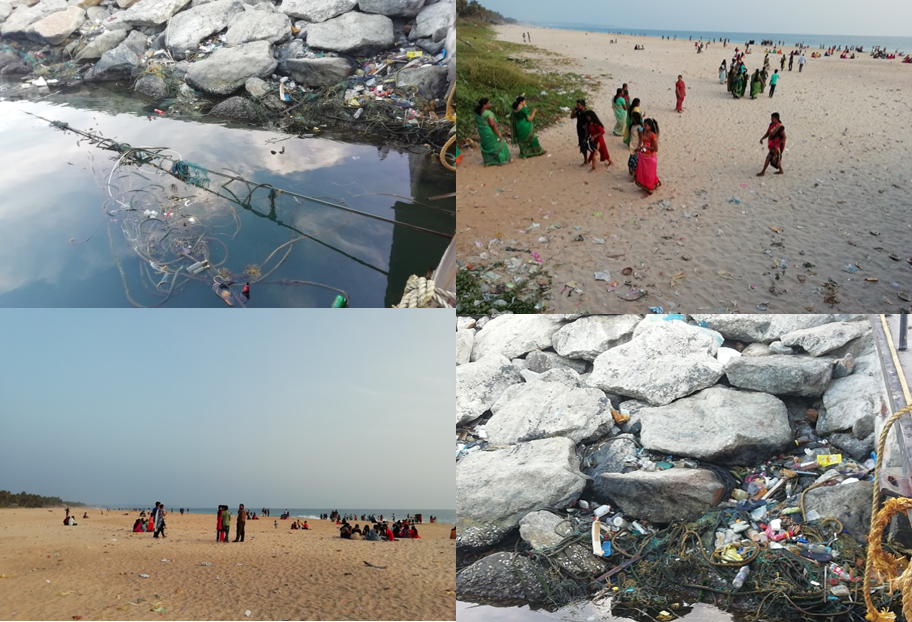
The study revealed that microplastic is one of the carriers of major pollution to the marine environment found along the entire Kanyakumari coastal stretch of southernmost India.

A study on underwater sounds using a passive acoustic monitoring system during the winters has been able to probe sea ice melting in the Arctic and its contributing factors.

Recognizing that a method to assemble gold nanorods (rod-shaped) will open various avenues of its applications, the Indian Institute of Technology Madras researchers have developed a simple technique for the assembly of nanorods

A memorandum of understanding between the Weizmann Institute of Science in Israel and the Mohamed bin Zayed University of Artificial Intelligence (MBZUAI) in the United Arab Emirates was signed yesterday
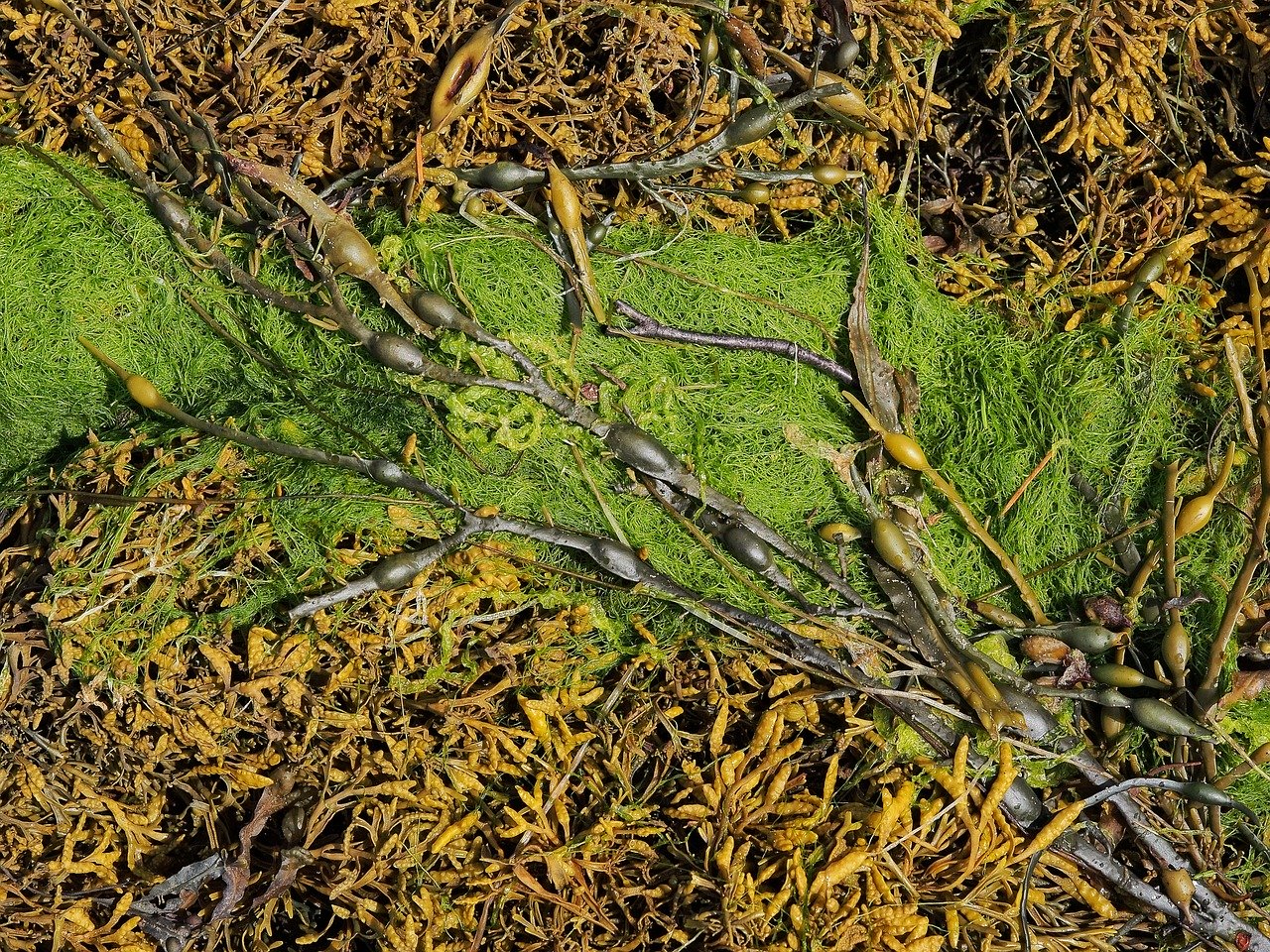
In a study conducted by NCCR scientists, it was examined how climate-driven upwelling could affect the marine ecosystem and fisheries due to Harmful Algal Blooms.
Indian Institute of Technology Guwahati in collaboration with Workspace Metal Solutions Private Limited, Udaipur, has developed a first-of-its-kind self-check kiosk.


A new study by the cancer research group at the Department of Biotechnology's Institute of Life Sciences has resolved the mystery and promises to pave the way for developing better drugs for breast cancer

Researchers at the Indian Institute of Technology Madras have shown that EEG can also be used to measure brainwaves in industrial workers, to assess their mental sharpness, especially during times of crisis.

Prof Achalkumar and Prof. Yasuhiro Ishida from RIKEN, Wako-shi campus, Japan, have developed a simple and novel method to separate chiral enantiomers.

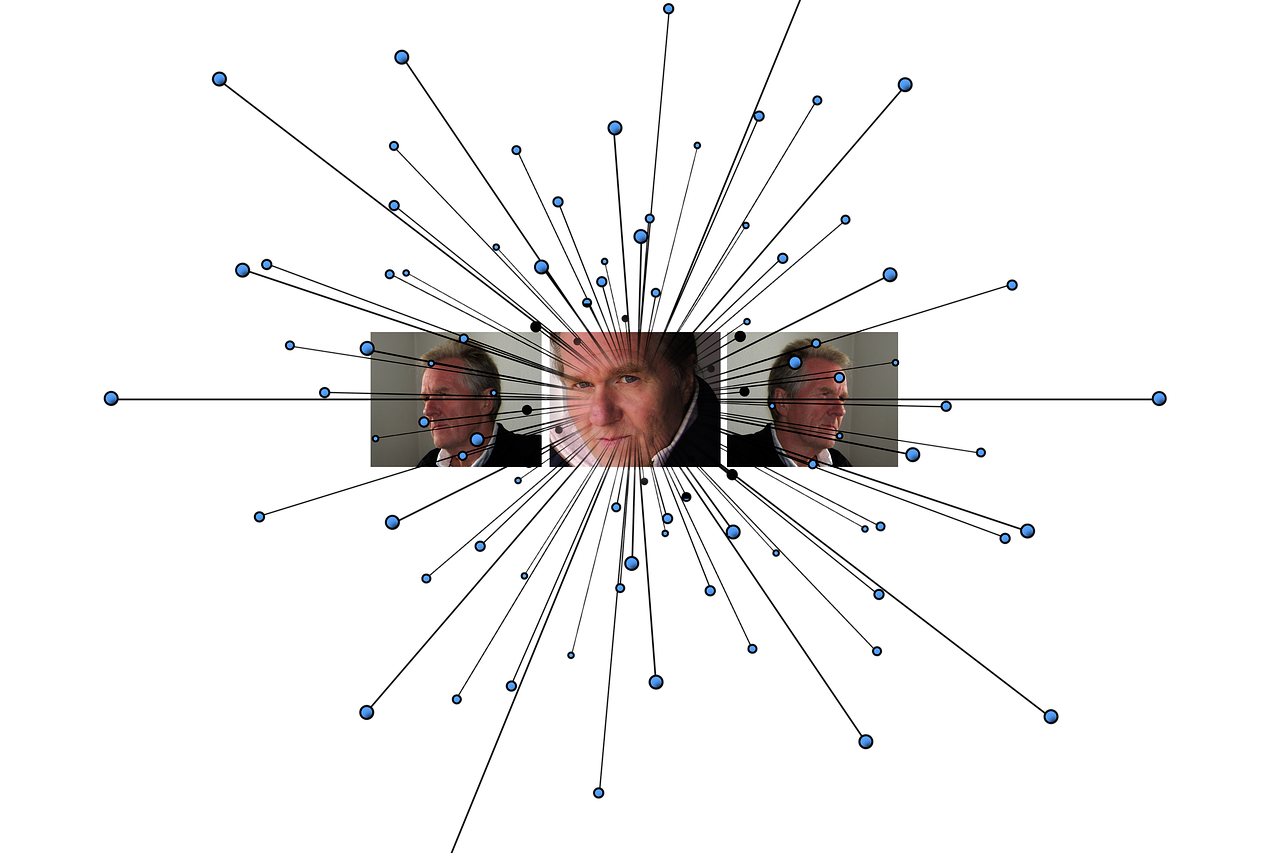
Researchers have used a grey level indicator-based nonlinear telegraph diffusion model which views the image as an elastic sheet, which when compressed, removes the speckles.

Indian Institute of Technology Madras researchers have discovered a new material to effectively split water into Hydrogen and Oxygen using solar power
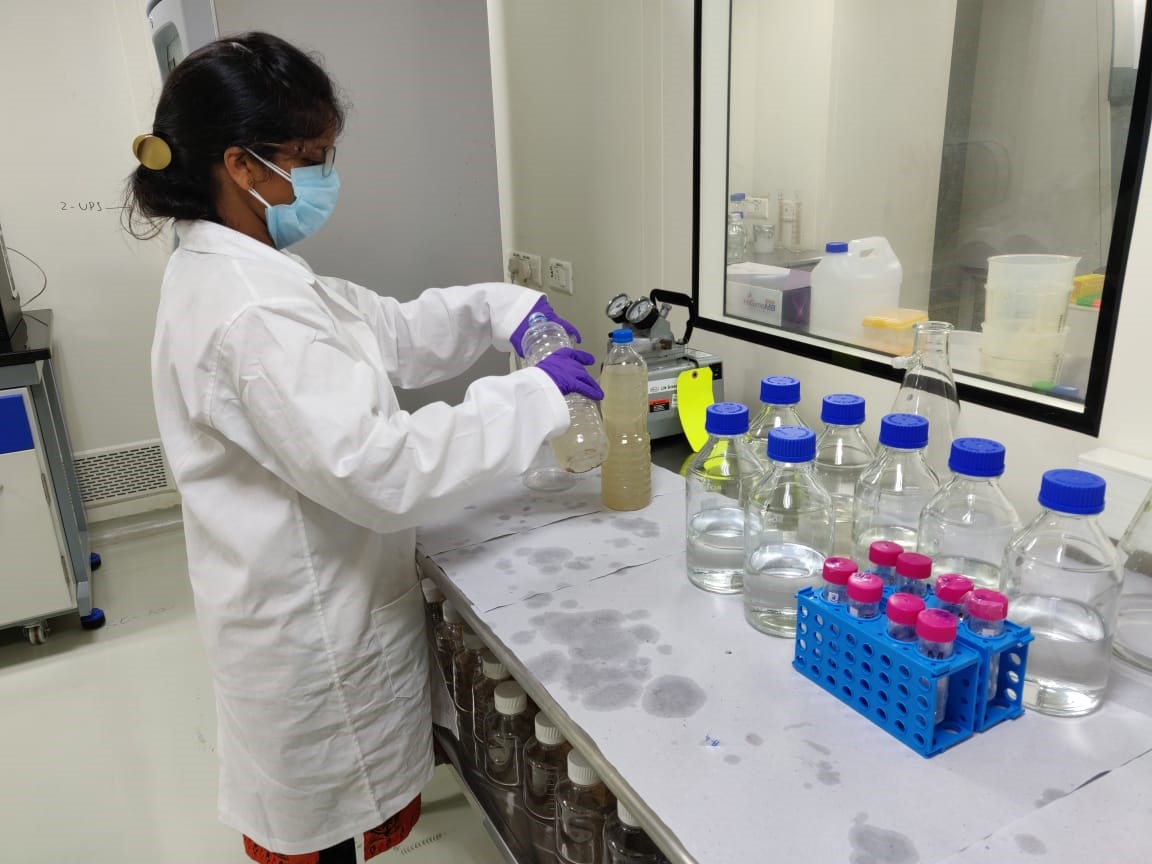
Centre for Cellular and Molecular Biology and Indian Institute of Chemical Technology in a joint study have harvested the sewage samples to estimate the number of potentially infected individuals in the city of Hyderabad.
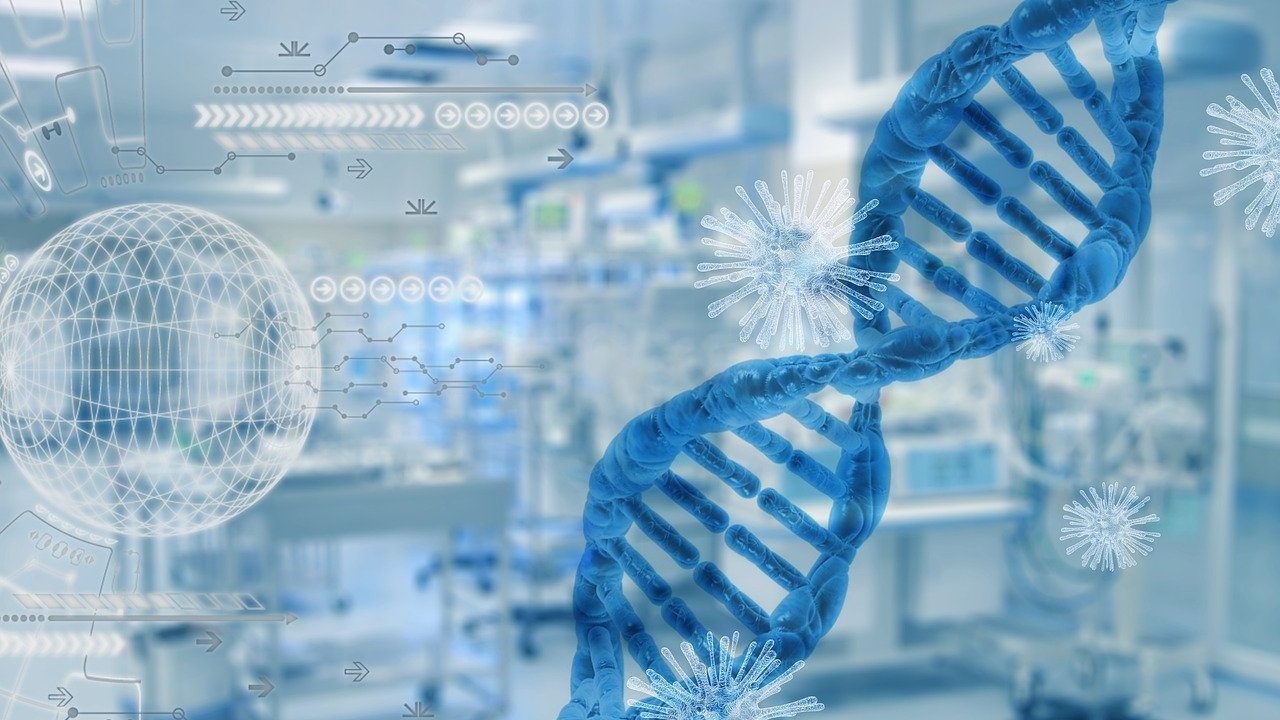

Researchers from the IIT Guwahati, and Imperial College London, UK, have developed a tailored ‘meta-grid’ of nanoparticles that could make light-emitting diodes even brighter, energy-efficient and durable.

The Drug Discovery Hackathon 2020 training program kick-started with lectures on different topics. It is an online platform to take open source drug discovery to a higher pedestal in the crusade against the COVID-19 pandemic
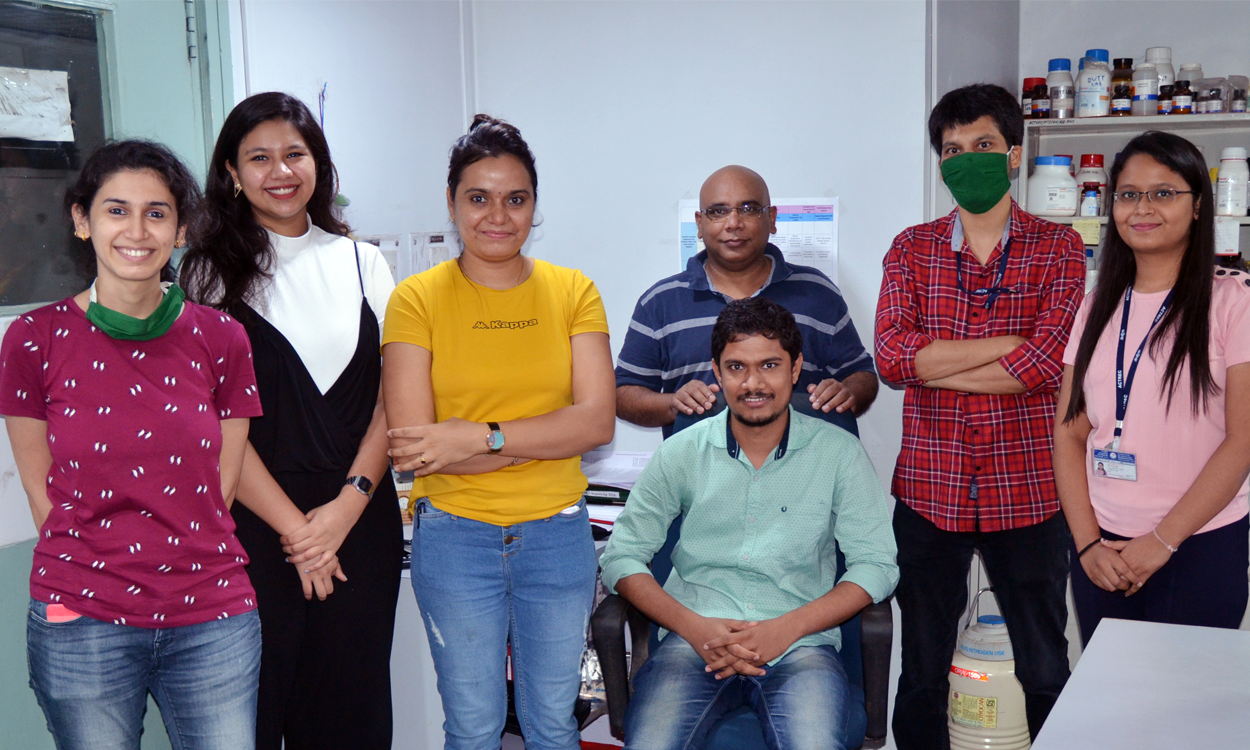
Researchers at the Advanced Centre for Treatment, Research, and Education in Cancer have published a report in the Cell Press journal ‘Heliyon’ in which they present a Rapid qRT-PCR kit To Detect SARS-CoV-2
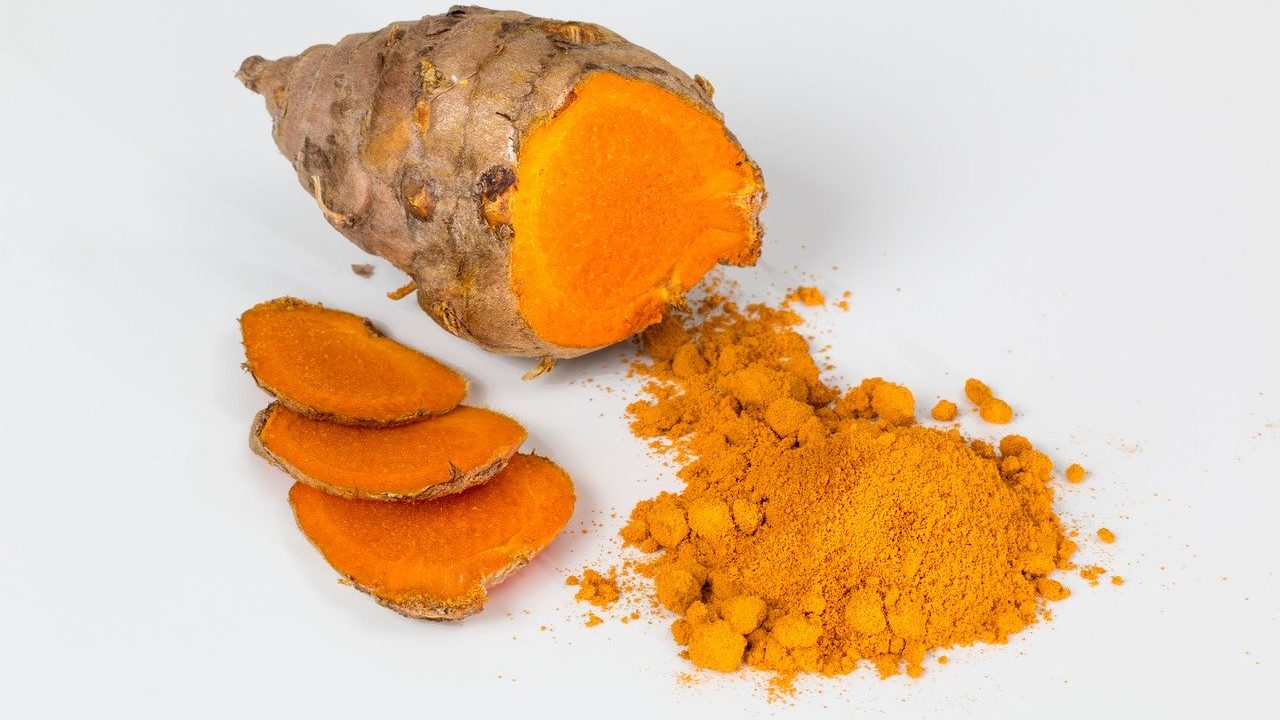

Indian Institute of Technology Madras researchers developed an analysis-driven ‘hyperelastic’ model in calculating the stress and strain experienced by the brain due to blunt force injury and lesion growth
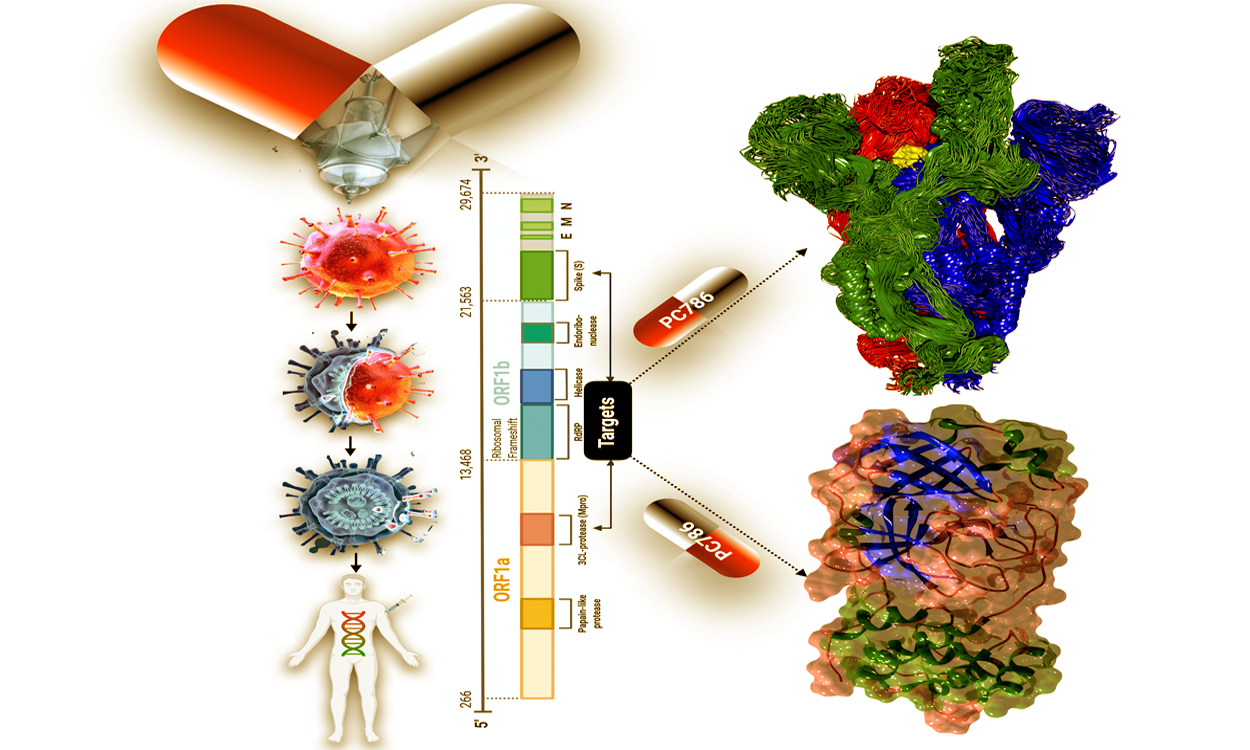
Using bioinformatics approaches, the research team has succeeded in identifying 38 anti-coronaviral drugs from a pool of antiviral drug candidates.
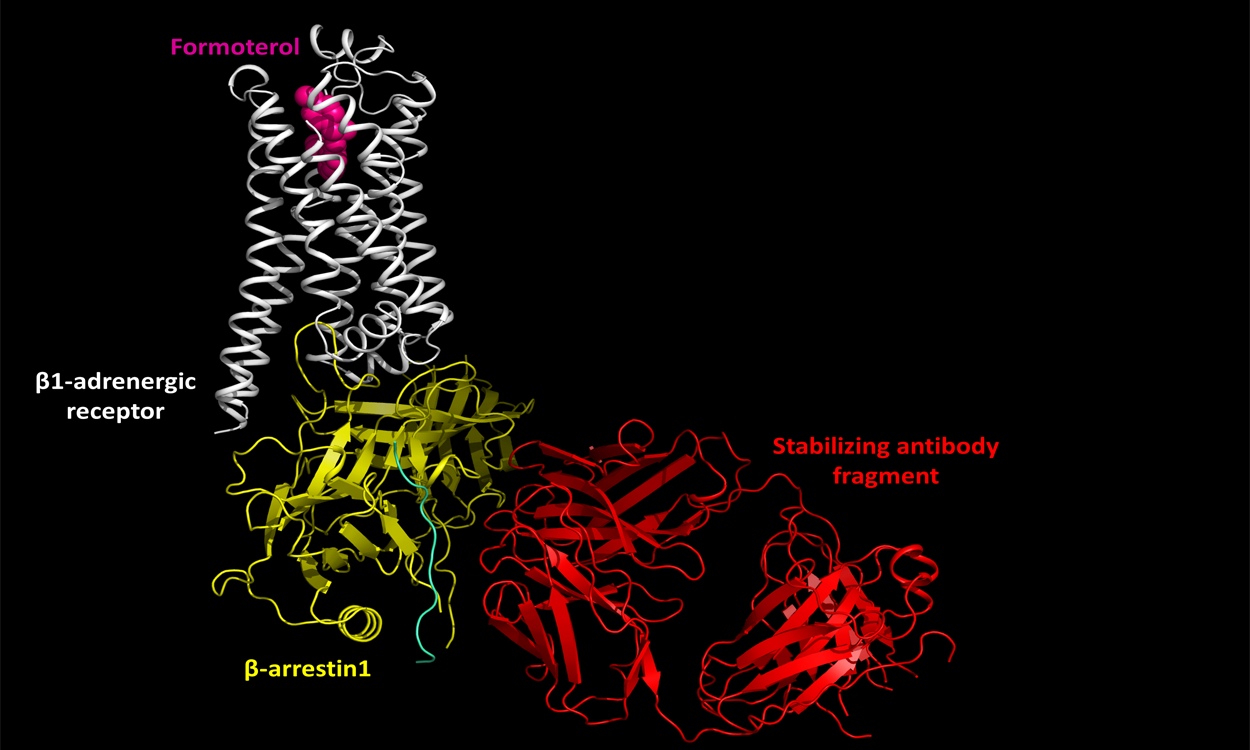
In a research article published in Nature, a team of researchers including Prof. Arun Shukla’s laboratory at IIT Kanpur, describe the structure of an asthma drug in complex with its target receptor and a regulatory protein in action.
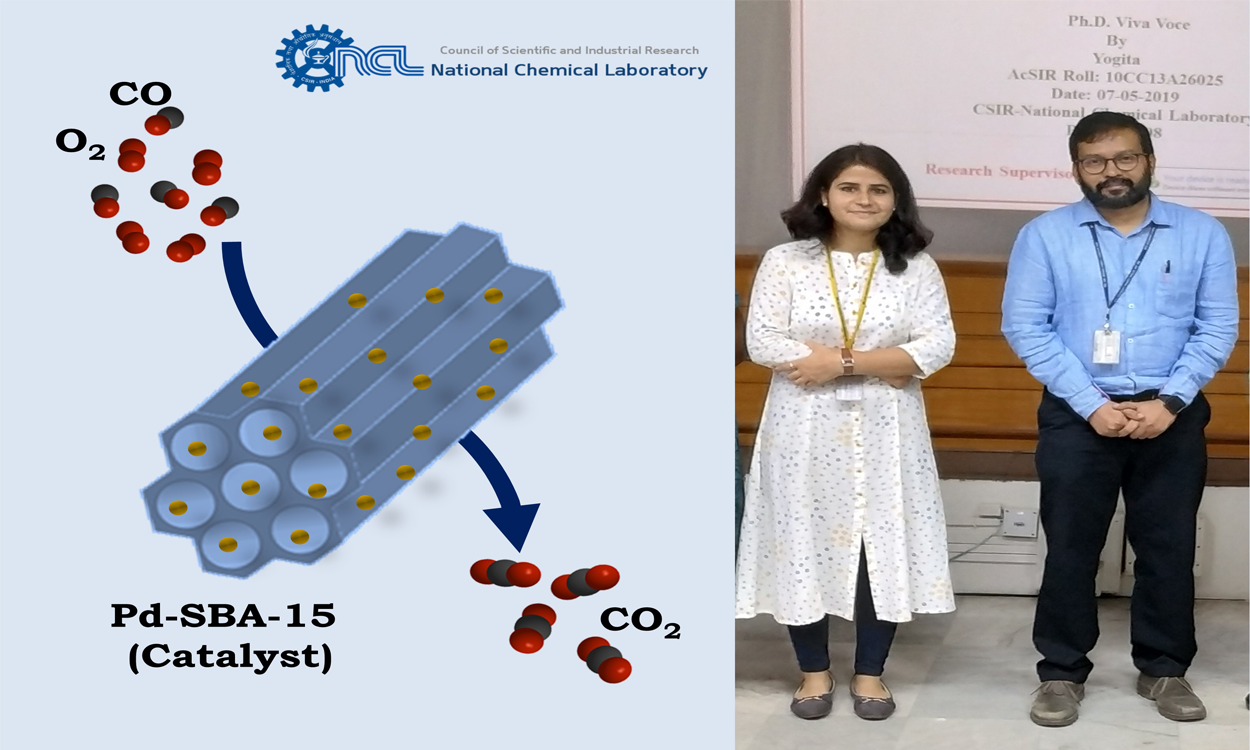
A research team at CSIR-National Chemical Laboratory, Pune - has developed a new method that could overcome the difficulties of supporting ultra-small metal nanoparticles on silica with desirable loading.

The Council of Scientific and Industrial Research has launched AarogyaPath, a web-based solution for the healthcare supply chain, which provides real-time availability of critical supplies.
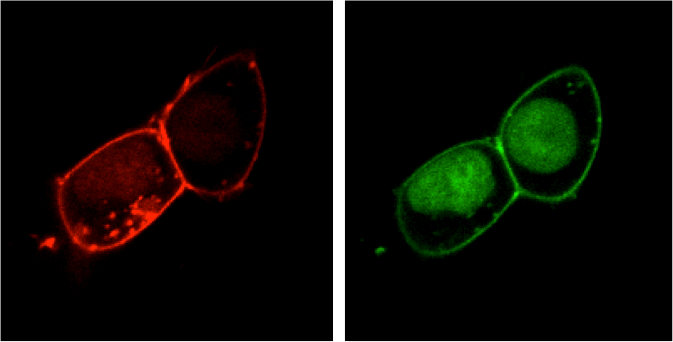
Researchers from IIT Kanpur have engineered antibody-based biosensors in the laboratory using protein-design approaches. These biosensors report the activation of important drug targets, and the approach used in this study also offers new solutions to the long-standing challenge of generating high-quality antibodies for life science research
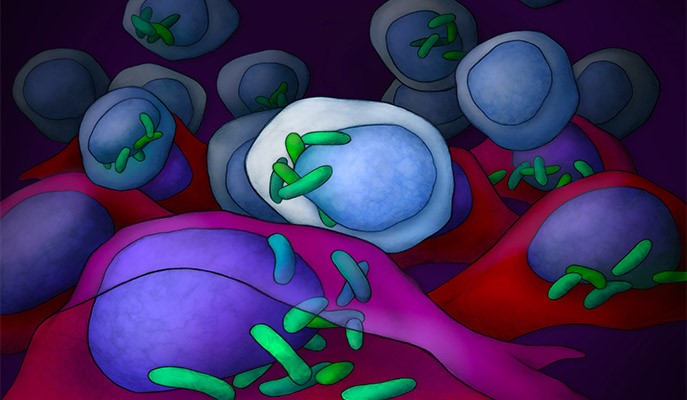
The study, headed by researchers at the Weizmann Institute of Science, found bacteria living inside the cells of all the cancer types – from the brain to bone to breast cancer – and even identified unique populations of bacteria residing in each type of cancer.
Researchers from the National Institute of Plant Genome Research, Indian Agricultural Research Institute, National Rice Research Institute, and University of Delhi South Campus have identified a region in the genome of a rice, which seems to have the potential for improving productivity.
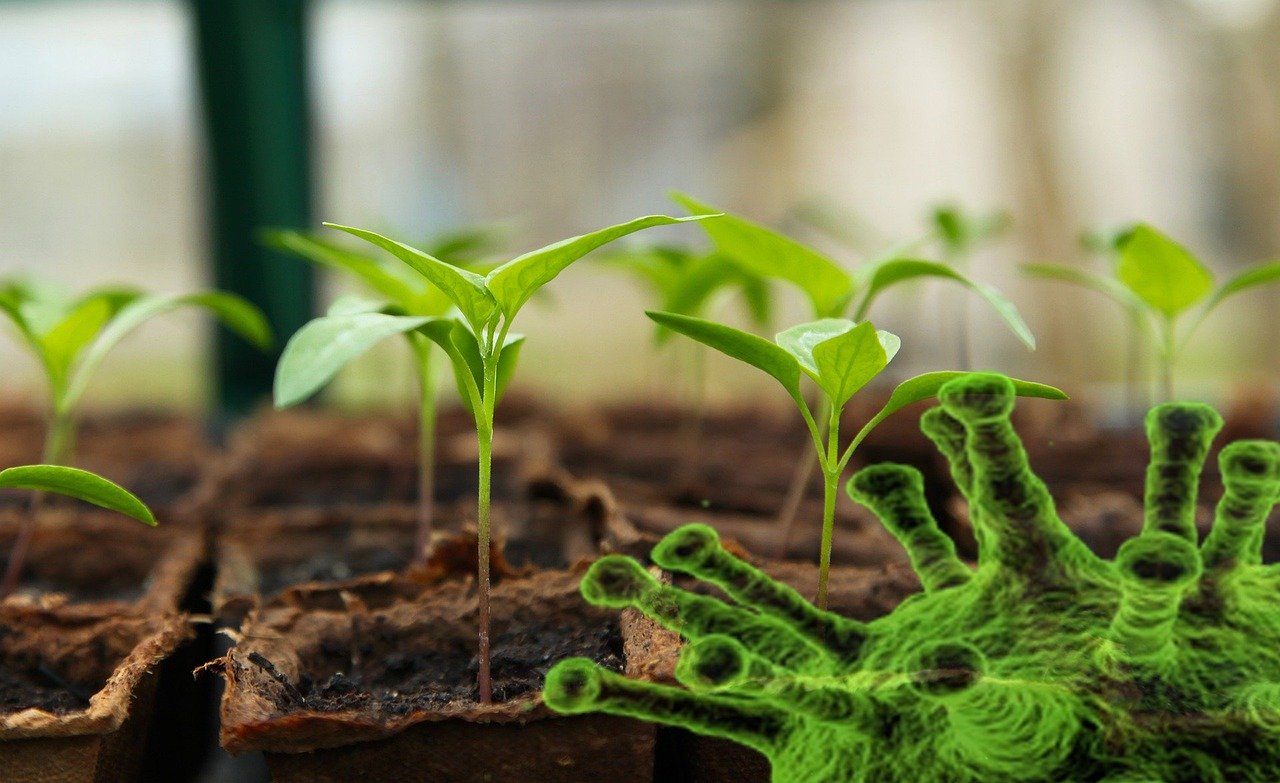
Researchers at the Institute have developed a VLP of a plant virus called the Pepper vein banding virus to use as a possible vehicle to deliver antibodies into a cell. These VLPs can enter mammalian cells as well, despite being of plant origin.


The Council of Scientific and Industrial Research is working with Intel India and International Institute of Information Technology, Hyderabad, to help achieve faster and less expensive COVID-19 testing and coronavirus genome sequencing to understand the epidemiology and Artificial Intelligence-based risk stratification for patients with co-morbidities.
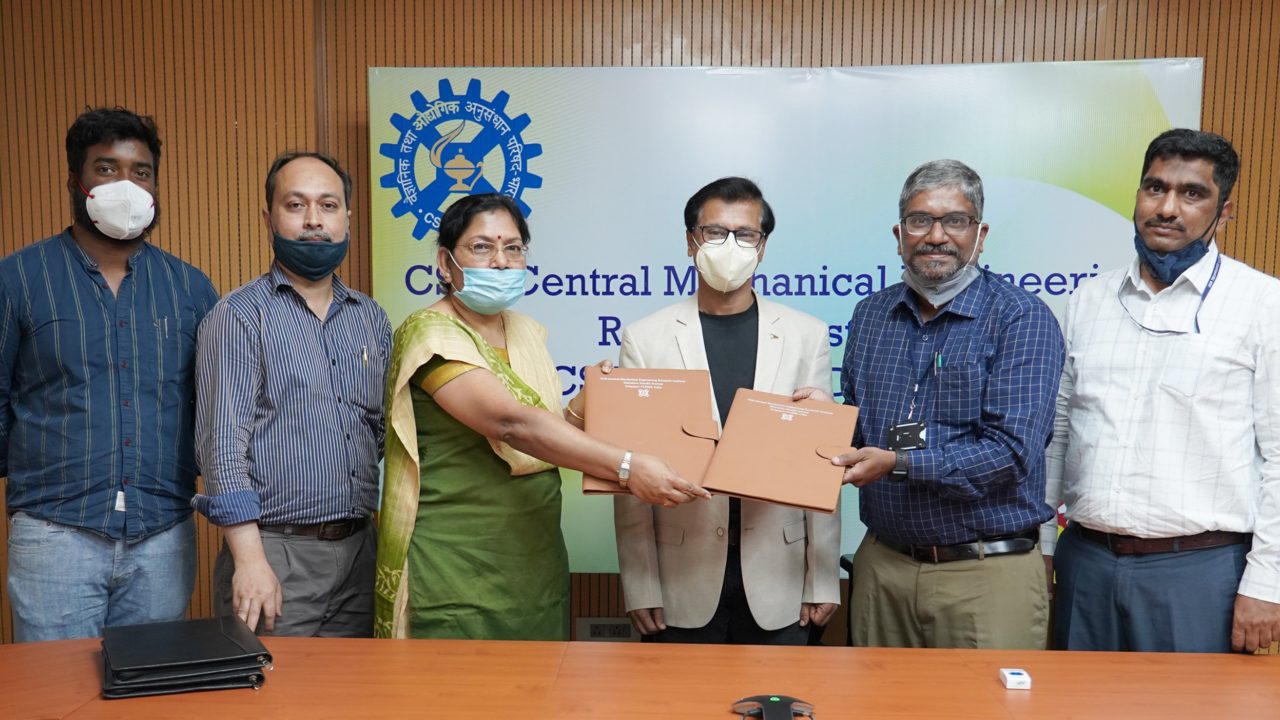
Scientists at CSIR-Central Mechanical Engineering Research Institute have developed two mobile indoor Disinfection Sprayer units. These units can be used for cleaning and disinfecting pathogenic micro-organisms effectively, especially in hospitals.
The Indian Council for Medical Research has fast-tracked the roll-out of the global ‘Solidarity’ trial launched by the World Health Organization towards finding an effective treatment for COVID-19.
Internet is huge! Help us find great content
Never miss a thing! Sign up for our newsletter to stay updated.
Research Stash is a curated collection of tools and News for S.T.E.M researchers
Have any questions or want to partner with us? Reach us at hello@researchstash.com