
Contest to Identify and Nurture School Students Talented in Science

Contest to Identify and Nurture School Students Talented in Science

  • Research Stash
  • News
  • 2.1K

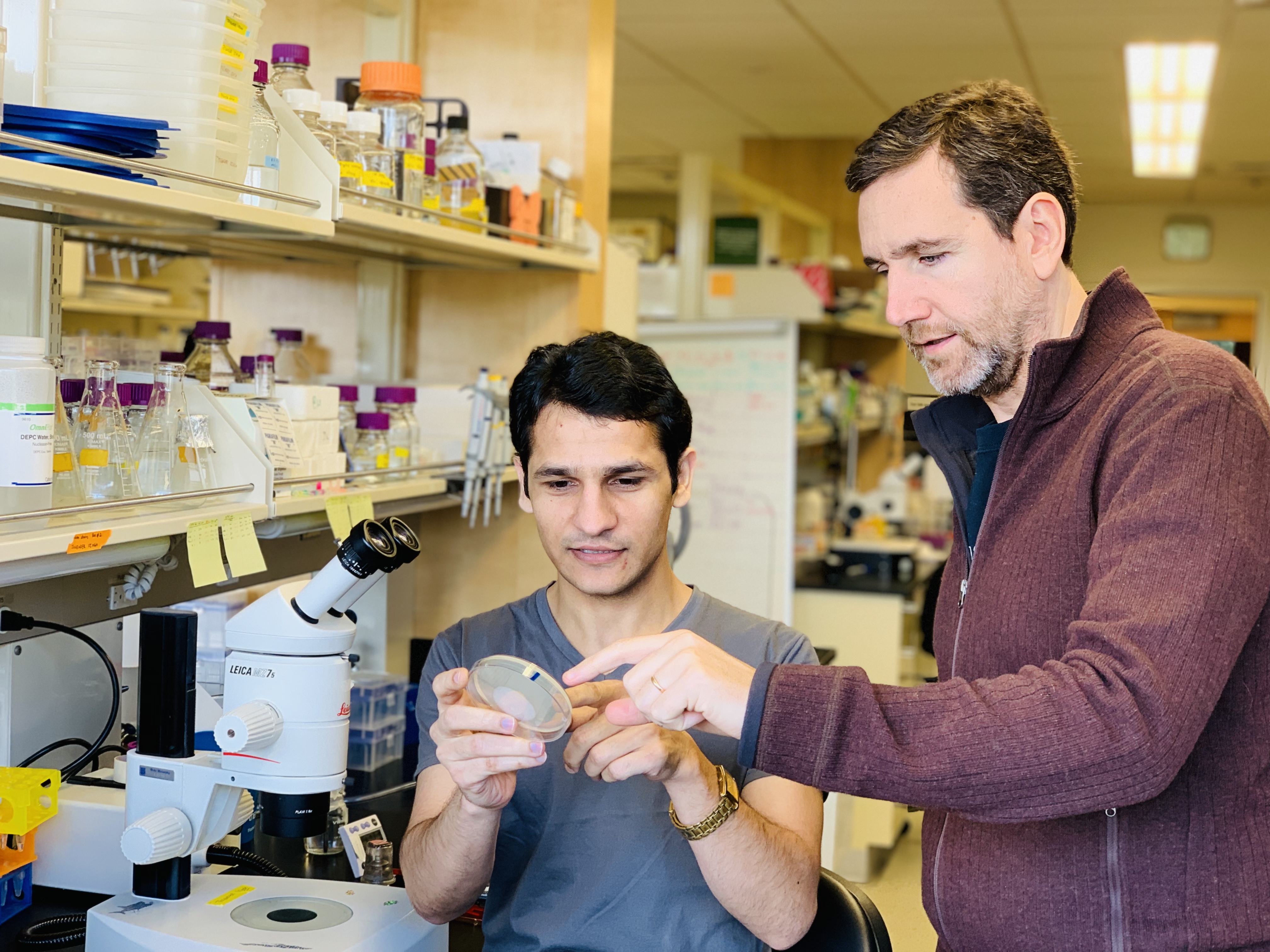
‘Vidyarthi Vigyan Manthan’, a national program to nurture school students talented in science, is here again. The organizers are all set to begin the process of identifying students, who have an aptitude for science, through a multi-stage competitive examination system.

The Programme is organized by Vijnana Bharati and is supported by Vigyan Prasar and the National Council of Educational Research and Training (NCERT).

Mayuri Dutt, co-convener of the program, said so far 1900 schools and 17,000 students have registered to take the tests. Last year, 1.47 lakh students had participated in the examinations and this the number is expected to touch 3 lakhs. The last date for entry is September 15 without late fee and September 30 with a late fee.

The Programme is open to students from class six to eleventh. The examinations would be conducted in two sections: junior classes (class six to eight) and senior classes (class nine to eleven). The students would, however, be assessed class-wise.

A key feature of the program is that the students will give their examination through digital devices such as smartphone, tablet, and laptop. Students who register for the program will be provided with individual login credentials and the first examination will be conducted at the school, district, state and national levels in sequence. The examination process would begin at the end of November and go on till May.

“Considering the growing interest among students, competition would now be held in Bengali, Tamil, Malayalam, Telugu, Marathi, Punjabi and Oriya also, in addition to Hindi and English,” Dutt said.

The syllabus for the first stage of the contest has three segments. The tests will be in the form of 100 multi-choice questions. While fifty percent of the questions would be based on NCERT syllabus for the respective classes, 20 percent will be on reading material specially prepared by Vijnana Bharati on India’s contribution science, another 20 per cent on biographies of two renowned scientists Jagdish Chandra Bose and Edavalath Kakkat Janaki Ammal and the balance 10 per cent on logic and reasoning.

Down the line, during the state-level contest, the students would be tested on skills such as creative writing and during the national level on aspects such as presentation, leadership qualities, creative thinking, and innovative learning. (ISW)

Sunderarajan Padmanabhan

If you liked this article, then please subscribe to our YouTube Channel for the latest Science & Tech news. You can also find us on Twitter & Facebook.
Rate

The Programme is open to students from class six to eleventh. The examinations would be conducted in two sections: junior classes (class six to eight) and senior classes (class nine to eleven). The students would, however, be assessed class-wise.

A key feature of the program is that the students will give their examination through digital devices such as smartphone, tablet, and laptop. Students who register for the program will be provided with individual login credentials and the first examination will be conducted at the school, district, state and national levels in sequence. The examination process would begin at the end of November and go on till May.

“Considering the growing interest among students, competition would now be held in Bengali, Tamil, Malayalam, Telugu, Marathi, Punjabi and Oriya also, in addition to Hindi and English,” Dutt said.

The syllabus for the first stage of the contest has three segments. The tests will be in the form of 100 multi-choice questions. While fifty percent of the questions would be based on NCERT syllabus for the respective classes, 20 percent will be on reading material specially prepared by Vijnana Bharati on India’s contribution science, another 20 per cent on biographies of two renowned scientists Jagdish Chandra Bose and Edavalath Kakkat Janaki Ammal and the balance 10 per cent on logic and reasoning.

Down the line, during the state-level contest, the students would be tested on skills such as creative writing and during the national level on aspects such as presentation, leadership qualities, creative thinking, and innovative learning. (ISW)

Sunderarajan Padmanabhan

If you liked this article, then please subscribe to our YouTube Channel for the latest Science & Tech news. You can also find us on Twitter & Facebook.
" }
Antibiotic Resistance Rising in Helicobacter Strains from Karnataka

Antibiotic Resistance Rising in Helicobacter Strains from Karnataka

A new study has found that Helicobacter pylori, a bacterium that resides in the human stomach and causes ulcers, gastritis and stomach cancers, has gained so much resistance to two commonly used antibiotics - metronidazole and levofloxacin that the drugs may not be able to provide any relief any more

  • News
  • 2.8K
Read more
Setting Right, A Defective Heart Condition

Setting Right, A Defective Heart Condition

A pilot study by Indian researchers explored the possibility of correcting the defective structure of CASQ2. They hypothesized that by suitably introducing small external molecules called pyranones that may attach to the protein interfaces would help in stabilizing it, in turn, regulating the ion flow

  • News
  • 1.6K
Read more
Addressing Cancer Epidemic in India Using Power of Genomics

Addressing Cancer Epidemic in India Using Power of Genomics

The rising number of cancer cases in India is a cause for concern. With nearly 1.5 million new cases, cancer has emerged as a major health challenge.

  • News
  • 1.7K
Read more

Internet is huge! Help us find great content

Newsletter

Never miss a thing! Sign up for our newsletter to stay updated.

About

Research Stash is a curated collection of tools and News for S.T.E.M researchers

Have any questions or want to partner with us? Reach us at hello@researchstash.com

Navigation

Submit