Scientists Develop Bio-Fortified Maize to Address ‘Hidden Hunger’

Scientists Develop Bio-Fortified Maize to Address ‘Hidden Hunger’

  • Research Stash
  • News
  • 2.3K

Researchers at the Indian Agricultural Research Institute (IARI) have developed a maize variety which is rich in both Vitamin A and essential amino acids through the process of plant breeding.

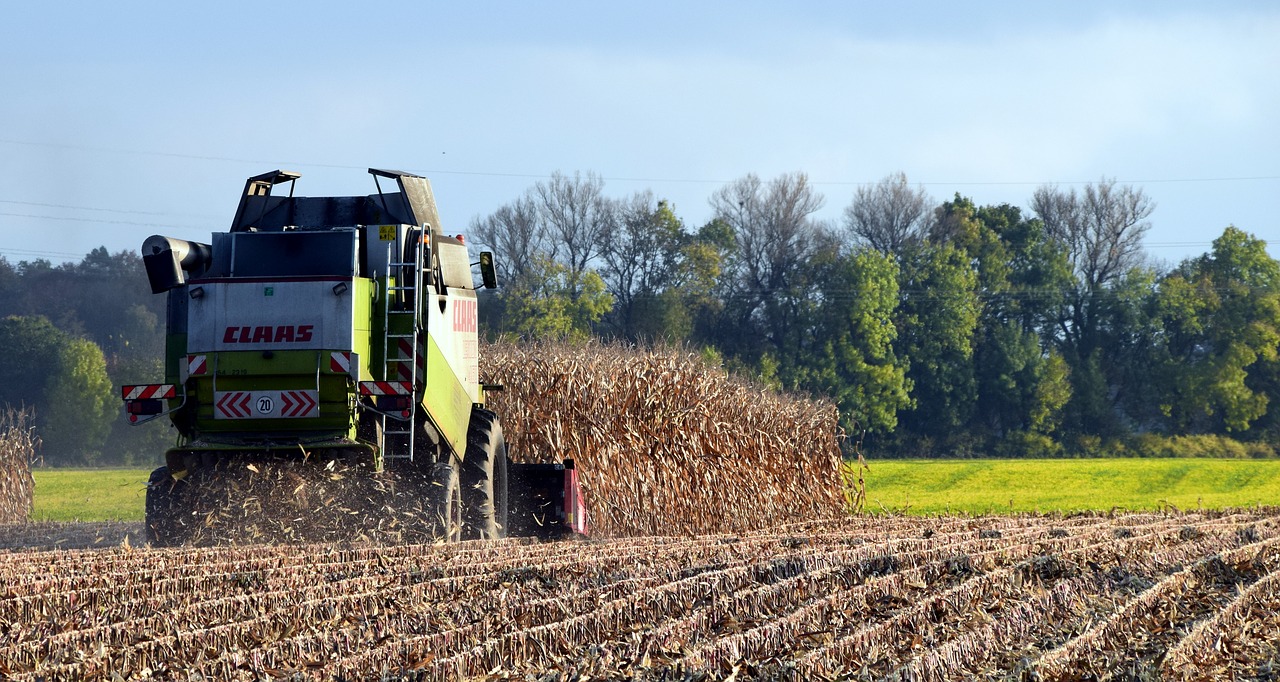
Maize, the third most important food grain following wheat and rice, is grown throughout the year in India. Popularly known as corn, it is used to make food items such as chips, flakes, popcorns etc. The currently grown hybrid varieties of maize in India, though rich in essential amino acids – lysine and tryptophan – are poor in vitamin A.

Scientists have developed a new hybrid variety of maize by crossing. It contains natural variations of three genes – beta-Carotene Hydroxylase, Lycopene-eta-Cyclase, and Opaque2 – required for the production of the high amount of vitamin A and the two essential amino acids. The new hybrids, thus produced, have 4.5 folds more vitamin A content and similar amounts of lysine and tryptophan as earlier varieties.

In addition, the grain yield of new hybrids has been found to be similar to existing varieties as evaluated by growing both varieties at two different locations in India. Researchers believe that bio-fortified high yielding maize hybrid could help address micronutrient malnutrition.

Vitamin A, a micronutrient, is required for good vision, healthy teeth, skin and skeletal tissue. Deficiency of Vitamin A, predominately seen in developing countries, can cause blindness and increase the susceptibility of an individual to infectious diseases. Lysine and tryptophan are two essential amino acids- building blocks of protein- which cannot be synthesized by the body and must be supplied to the body via diet.  Although vitamin A rich maize has been developed elsewhere, the new variety is important as it is rich not in vitamin A but in two essential amino acids as well.

Speaking to India Science Wire, Dr. Ganapati Mukri, a scientist at the Indian Agriculture Research Institute but not connected to this study, says “this bio-fortified maize can help in overcoming the vitamin A deficiency in India. However, it is essential to sensitize farmers, policymakers and seed traders about this new development so that it can be commercially released.”

The results of this study are published in journal Frontiers in Plant Science. The research team included Rajkumar U. Zunjare, Firoz Hossain, Vignesh Muthusamy, Aanchal Baveja, Hema S. Chauhan, Nepolean Thirunavukkarasu, Supradip Saha and Hari S. Gupta from IARI, New Delhi and Jayant S. Bhat from IARI station at Dharwad. (India Science Wire)

By Dr. Aditi Jain

Journal Article

Development of Biofortified Maize Hybrids through Marker-Assisted Stacking of β-Carotene Hydroxylase, Lycopene-ε-Cyclase, and Opaque2 Genes

For the latest Science, Tech news and conversations, follow Research Stash on TwitterFacebook, and subscribe to our YouTube channel 
Rate

In addition, the grain yield of new hybrids has been found to be similar to existing varieties as evaluated by growing both varieties at two different locations in India. Researchers believe that bio-fortified high yielding maize hybrid could help address micronutrient malnutrition.

Vitamin A, a micronutrient, is required for good vision, healthy teeth, skin and skeletal tissue. Deficiency of Vitamin A, predominately seen in developing countries, can cause blindness and increase the susceptibility of an individual to infectious diseases. Lysine and tryptophan are two essential amino acids- building blocks of protein- which cannot be synthesized by the body and must be supplied to the body via diet.  Although vitamin A rich maize has been developed elsewhere, the new variety is important as it is rich not in vitamin A but in two essential amino acids as well.

Speaking to India Science Wire, Dr. Ganapati Mukri, a scientist at the Indian Agriculture Research Institute but not connected to this study, says “this bio-fortified maize can help in overcoming the vitamin A deficiency in India. However, it is essential to sensitize farmers, policymakers and seed traders about this new development so that it can be commercially released.”

The results of this study are published in journal Frontiers in Plant Science. The research team included Rajkumar U. Zunjare, Firoz Hossain, Vignesh Muthusamy, Aanchal Baveja, Hema S. Chauhan, Nepolean Thirunavukkarasu, Supradip Saha and Hari S. Gupta from IARI, New Delhi and Jayant S. Bhat from IARI station at Dharwad. (India Science Wire)

By Dr. Aditi Jain

Journal Article

Development of Biofortified Maize Hybrids through Marker-Assisted Stacking of β-Carotene Hydroxylase, Lycopene-ε-Cyclase, and Opaque2 Genes

For the latest Science, Tech news and conversations, follow Research Stash on TwitterFacebook, and subscribe to our YouTube channel 
" }
Scientists Seek Global Action On Reactive Nitrogen

Scientists Seek Global Action On Reactive Nitrogen

Around 200 scientists from 44 countries have called upon the UN Secretary-General Antonio Guterres to take global level action on reactive nitrogen and address the crisis being caused by the unregulated release of nitrogen across the world

  • News
  • 1.5K
Read more
New Hope for Treating Inflammation-Induced Anemia

New Hope for Treating Inflammation-Induced Anemia

Scientists in Pune have found that a traditional herb Tinospora cardiofolia commonly known as gudduchi or giloy could be useful in treating inflammation-induced anemia

  • News
  • 1.5K
Read more
New Guar Gum Based Hydrogel May Help Save Drought-Hit Crops

New Guar Gum Based Hydrogel May Help Save Drought-Hit Crops

Scientists have developed a hydrogel from the gum of guar (cluster bean) that can increase soil moisture and help farmers save their crops in case of water scarcity.

  • News
  • 5.9K
Read more

Internet is huge! Help us find great content

Newsletter

Never miss a thing! Sign up for our newsletter to stay updated.

About

Research Stash is a curated collection of tools and News for S.T.E.M researchers

Have any questions or want to partner with us? Reach us at hello@researchstash.com

Navigation

Submit