
This Silk Protein Can Help Make Beauty and Skincare Products

This Silk Protein Can Help Make Beauty and Skincare Products

  • Research Stash
  • News
  • 2K

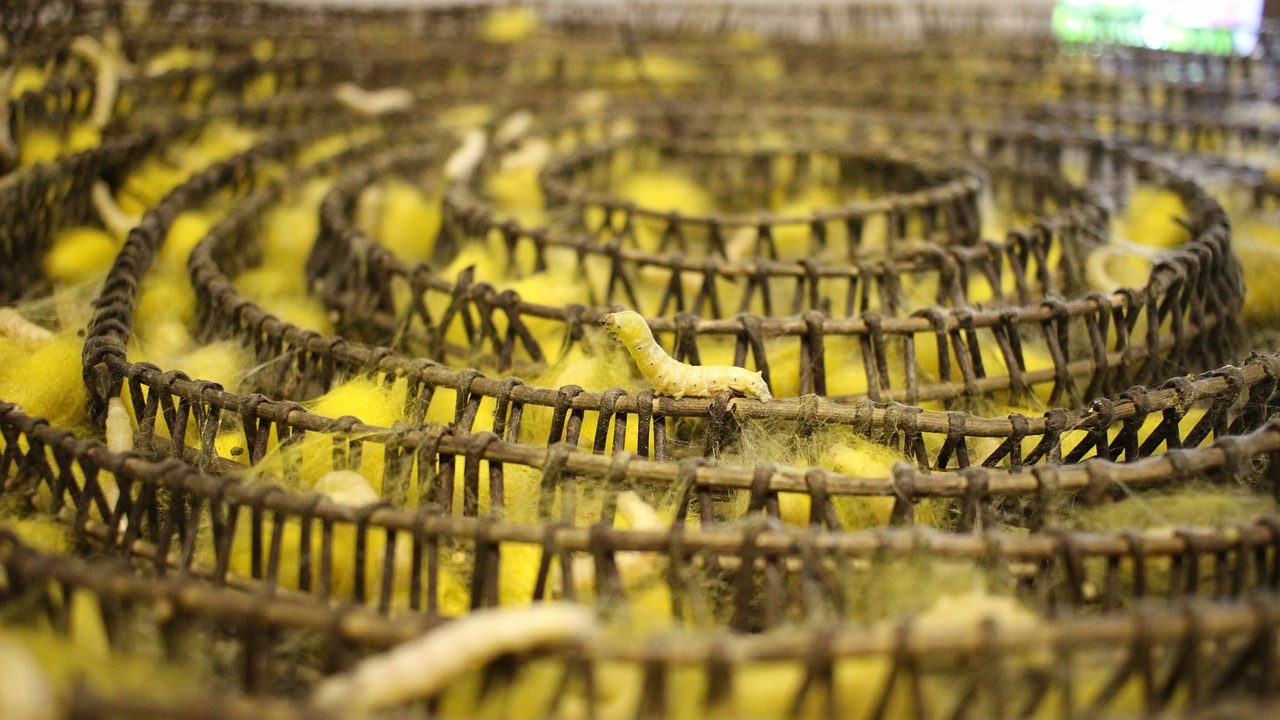
Silk has fascinated humans for centuries and is a preferred fabric when it comes to making exquisite draping material and sarees. Now Indian scientists have discovered that a protein produced by silkworms can be used to develop a range of beauty and skincare products.
Dr Biman Mandal with Jadi Praveen Kumar
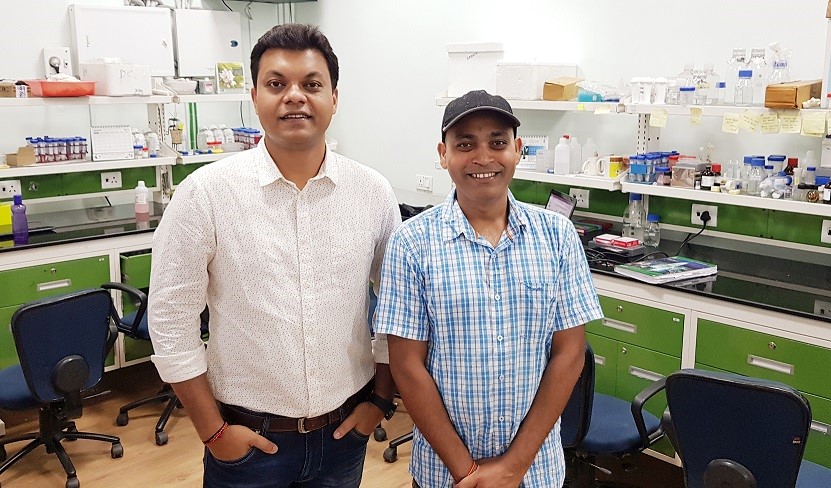
Dr. Biman Mandal with Jadi Praveen Kumar

The protein, sericin, is known to possess anti-oxidant and other medicinal properties. These properties depend on the amino acid composition and secondary metabolites (polyphenols and flavonoids) of sericin. They vary with the source of silkworms and their availability depends on the length of sericin peptides obtained during extraction, according to the researchers.

The research group at the Indian Institute of Technology Guwahati, which has been working on different aspects of sericin, have developed new methods for extraction of sericin isolates and from different varieties of silkworms and have studied properties of resulting sericin. The group has conducted animal studies to investigate properties of the compounds isolated from the protein.

At present sericin from silk varieties such as Muga and Eri is discarded during industrial production of the silk fabric. Processing of one ton fresh cocoons produces about 200 kilograms of sericin. “Therefore, we decided to turn this textile industry waste into wealth by exploring antioxidant, anticancer activity as well as protective effects of sericin against ultraviolet radiation-induced skin damage, premature aging of skin and melanin formation,” explained Dr. Biman B Mandal of the Department of Biosciences and Bioengineering at IIT Guwahati, while speaking to India Science Wire.

Sericin was isolated from cocoons of three types of silkworms – Bombyx mori (Mori), Antheraea assamensis (Muga) and Philosamia ricini (Eri) – using five different extraction methods. The protein samples were then studied for their physicochemical properties and antioxidant activity. It emerged that that molecular weight, structures of sericin isolates and total content of metabolites depends on the extraction methods used.

Using alkali-degradation method, researchers extracted sericin from cocoons of three silk varieties and explored their anticancer and protective effects against UV radiation-induced damage in laboratory animals. At higher concentrations, sericin isolates acted as pro-oxidants and increased free radical production in cancer cells, leading to cell death. Treatment with sericin extracted from Muga silkworm showed better protection against UV-induced keratinocytes death than extracts from the other two varieties.

Sericin isolates from Muga silkworms were used in the preparation of skincare formulation. Using serricin in these skincare formulations did not affect their flow properties. “Muga sericin-embedded cream could be used for topical skincare application as a potential therapeutic to protect skin against UV radiation-induced inflammation, oxidative damage of epidermal keratinocytes, aging, wrinkling, preventing skin roughness, enhancing the skin elasticity and moisture content,” said Dr. Mandal.

Overall, he said, sericin compounds isolated from cocoons of North-East varieties have shown better antioxidant, anticancer and protective properties. Muga sericin isolates have been used in a cosmetic gel formulation and its properties investigated in animals. It could be used for protection from oxidative damage, edema, erythema, sunburn, premature aging, wrinkling, and skin cancer.

The technology has been patented and currently being explored for commercialization. The study results have been published by Dr. Mandal along with Jadi Praveen Kumar in scientific journals Photochemical and Photobiological Sciences, ACS Applied Biomaterials, among others. (ISW)

Dinesh C Sharma

If you liked this article, then please subscribe to our YouTube Channel for the latest Science & Tech news. You can also find us on Twitter & Facebook.
Rate

At present sericin from silk varieties such as Muga and Eri is discarded during industrial production of the silk fabric. Processing of one ton fresh cocoons produces about 200 kilograms of sericin. “Therefore, we decided to turn this textile industry waste into wealth by exploring antioxidant, anticancer activity as well as protective effects of sericin against ultraviolet radiation-induced skin damage, premature aging of skin and melanin formation,” explained Dr. Biman B Mandal of the Department of Biosciences and Bioengineering at IIT Guwahati, while speaking to India Science Wire.

Sericin was isolated from cocoons of three types of silkworms – Bombyx mori (Mori), Antheraea assamensis (Muga) and Philosamia ricini (Eri) – using five different extraction methods. The protein samples were then studied for their physicochemical properties and antioxidant activity. It emerged that that molecular weight, structures of sericin isolates and total content of metabolites depends on the extraction methods used.

Using alkali-degradation method, researchers extracted sericin from cocoons of three silk varieties and explored their anticancer and protective effects against UV radiation-induced damage in laboratory animals. At higher concentrations, sericin isolates acted as pro-oxidants and increased free radical production in cancer cells, leading to cell death. Treatment with sericin extracted from Muga silkworm showed better protection against UV-induced keratinocytes death than extracts from the other two varieties.

Sericin isolates from Muga silkworms were used in the preparation of skincare formulation. Using serricin in these skincare formulations did not affect their flow properties. “Muga sericin-embedded cream could be used for topical skincare application as a potential therapeutic to protect skin against UV radiation-induced inflammation, oxidative damage of epidermal keratinocytes, aging, wrinkling, preventing skin roughness, enhancing the skin elasticity and moisture content,” said Dr. Mandal.

Overall, he said, sericin compounds isolated from cocoons of North-East varieties have shown better antioxidant, anticancer and protective properties. Muga sericin isolates have been used in a cosmetic gel formulation and its properties investigated in animals. It could be used for protection from oxidative damage, edema, erythema, sunburn, premature aging, wrinkling, and skin cancer.

The technology has been patented and currently being explored for commercialization. The study results have been published by Dr. Mandal along with Jadi Praveen Kumar in scientific journals Photochemical and Photobiological Sciences, ACS Applied Biomaterials, among others. (ISW)

Dinesh C Sharma

If you liked this article, then please subscribe to our YouTube Channel for the latest Science & Tech news. You can also find us on Twitter & Facebook.
" }
Now There Is Self-Check Kiosk For COVID-19 Detection

Now There Is Self-Check Kiosk For COVID-19 Detection

Indian Institute of Technology Guwahati in collaboration with Workspace Metal Solutions Private Limited, Udaipur, has developed a first-of-its-kind self-check kiosk.

  • News
  • 1.6K
Read more
Members of the research team at IIT, Roorkee

Researchers Decipher Antibacterial Mechanism of Naturally Occurring Chemical

Researchers at the Indian Institute of Technology, Roorkee, have found out the mechanism that underlies antibacterial properties of a natural compound called Chlorogenic Acid which occurs in several plants including coffee.

  • News
  • 4.2K
Read more
Scientists Propose Controlled Human Infection Model Studies

Scientists Propose Controlled Human Infection Model Studies

To study how the pathogen that transmits this disease, how the disease progresses, how an individual body responds to it and how effective treatment can be formulated to encounter this disease, researchers have proposed Clinical Human Infection Model (CHIM) studies

  • News
  • 1.9K
Read more

Internet is huge! Help us find great content

Newsletter

Never miss a thing! Sign up for our newsletter to stay updated.

About

Research Stash is a curated collection of tools and News for S.T.E.M researchers

Have any questions or want to partner with us? Reach us at hello@researchstash.com

Navigation

Submit