ASHAs Help Bring Dramatic Reduction in Malaria Cases in Odisha

ASHAs Help Bring Dramatic Reduction in Malaria Cases in Odisha

  • Research Stash
  • News
  • 2.6K

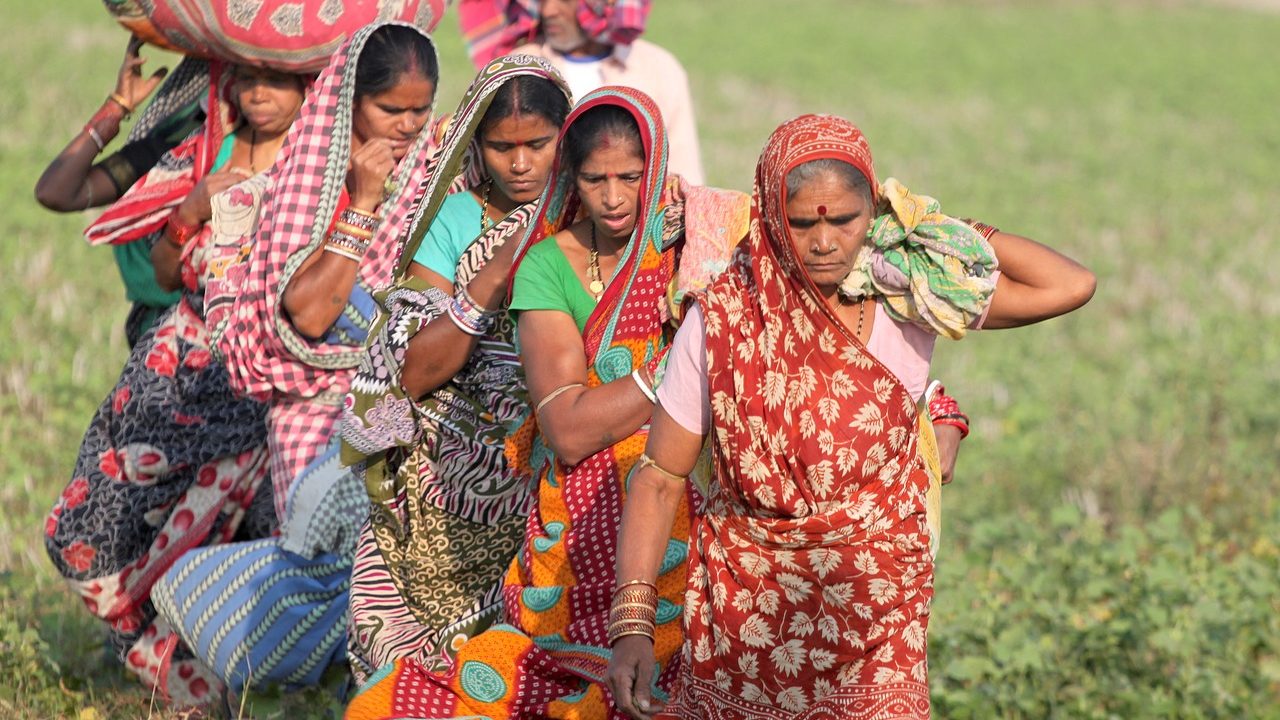
Involving ASHAs (Accredited Social Health Activists) in the malaria eradication programme has proved to be fruitful in bringing down the number of malaria cases in Odisha.

Malaria control efforts in the state were intensified from 2008 onwards as Odisha is one of the worst-hit states due to malaria. In 2010, malaria services were expanded with the involvement of ASHAs. With scaling up coverage of interventions together with active programme management and better administration, the introduction of ASHAs led to a dramatic reduction in malaria burden in the state.

The utilization of malaria services in the intervention areas improved as ASHAs and other service providers had required commodities and skills to diagnose and treat patients at the village level. Odisha had reported 89 deaths due to malaria in 2014. The number has come down to 4, as per October 2018 data. The state registered 85% decline in the malaria burden in the intervention blocks.

“Various countries have followed this module though with variation in the approach and the outcomes. In India too, we have strengthened malaria case management system through community-based interventions,” said Prof Balram Bhargava, Director General, Indian Council of Medical Research.

ASHAs were progressively involved in malaria control activities in Odisha. “They are the backbone of the programme. We trained them and then they trained more volunteers,” pointed out Dr. N Dhingra, Head of Malaria Division in the National Vector Borne Diseases Control Programme (NVBDCP). In addition to training with standardized modules designed by NVBDCP, ASHAs were equipped with rapid diagnostic kits and anti-malaria drugs.

“In the control areas, malaria services were provided within the constraints of the routine programme. In the intervention areas, various measures were undertaken to improve the coverage and quality of malaria services” said Dr. Anup Anvikar, a scientist at the National Institute of Malaria Research. The supply chain management system was strengthened up to the village level to ensure uninterrupted supply of drugs and diagnostics.

Buffer stocks were maintained at the block level in the Comprehensive Case Management Program (CCMP) areas, rather than at the district level in the routine system. It was ensured that there should be adequate stocks in remote areas before the rainy season, it is the time when the transmission is at a peak and it becomes difficult to access remote villages.

Along with drug and diagnostic kit supplies, several steps were taken for the smooth working of the programme, such as additional microscopy centers at the primary center level to complement the one at the block level. This helped in providing supportive supervision to ASHAs and other providers and it also helped in confirming diagnosis and post-treatment parasitological clearance.

The research results have been published in the journal PLOS One. The research team included Sreya Pradhan, Madan Mohan Pradhan (NVBDCP, Odisha); Ambarish Dutta (Indian Institute of Public Health, Bhubaneswar); Naman K Shah (University of North Carolina); Pyare Lal Joshi and Kamini Mendis (independent malariologists); Khageshwar Pradhan (National Institute of Malaria Research Field Unit, Rourkela); S.K. Sharma, Neena Valecha and Anupkumar R. Anvikar (National Institute of Malaria Research, New Delhi); Penny Grewal Daumerie, Jaya Banerji and Stephan Duparc (Medicines for Malaria Venture, Geneva, Switzerland) and Shiva Murugasampillay (Global Public Health, Geneva, Switzerland). (India Science Wire)

By Jyoti Singh

If you liked this article, then please subscribe to our YouTube Channel for the latest Science & Tech news. You can also find us on Twitter & Facebook.

Rate

“Various countries have followed this module though with variation in the approach and the outcomes. In India too, we have strengthened malaria case management system through community-based interventions,” said Prof Balram Bhargava, Director General, Indian Council of Medical Research.

ASHAs were progressively involved in malaria control activities in Odisha. “They are the backbone of the programme. We trained them and then they trained more volunteers,” pointed out Dr. N Dhingra, Head of Malaria Division in the National Vector Borne Diseases Control Programme (NVBDCP). In addition to training with standardized modules designed by NVBDCP, ASHAs were equipped with rapid diagnostic kits and anti-malaria drugs.

“In the control areas, malaria services were provided within the constraints of the routine programme. In the intervention areas, various measures were undertaken to improve the coverage and quality of malaria services” said Dr. Anup Anvikar, a scientist at the National Institute of Malaria Research. The supply chain management system was strengthened up to the village level to ensure uninterrupted supply of drugs and diagnostics.

Buffer stocks were maintained at the block level in the Comprehensive Case Management Program (CCMP) areas, rather than at the district level in the routine system. It was ensured that there should be adequate stocks in remote areas before the rainy season, it is the time when the transmission is at a peak and it becomes difficult to access remote villages.

Along with drug and diagnostic kit supplies, several steps were taken for the smooth working of the programme, such as additional microscopy centers at the primary center level to complement the one at the block level. This helped in providing supportive supervision to ASHAs and other providers and it also helped in confirming diagnosis and post-treatment parasitological clearance.

The research results have been published in the journal PLOS One. The research team included Sreya Pradhan, Madan Mohan Pradhan (NVBDCP, Odisha); Ambarish Dutta (Indian Institute of Public Health, Bhubaneswar); Naman K Shah (University of North Carolina); Pyare Lal Joshi and Kamini Mendis (independent malariologists); Khageshwar Pradhan (National Institute of Malaria Research Field Unit, Rourkela); S.K. Sharma, Neena Valecha and Anupkumar R. Anvikar (National Institute of Malaria Research, New Delhi); Penny Grewal Daumerie, Jaya Banerji and Stephan Duparc (Medicines for Malaria Venture, Geneva, Switzerland) and Shiva Murugasampillay (Global Public Health, Geneva, Switzerland). (India Science Wire)

By Jyoti Singh

If you liked this article, then please subscribe to our YouTube Channel for the latest Science & Tech news. You can also find us on Twitter & Facebook.

" }
Now There Is Self-Check Kiosk For COVID-19 Detection

Now There Is Self-Check Kiosk For COVID-19 Detection

Indian Institute of Technology Guwahati in collaboration with Workspace Metal Solutions Private Limited, Udaipur, has developed a first-of-its-kind self-check kiosk.

  • News
  • 1.6K
Read more
Scientists Provide New Insight into Basophils Activation

Scientists Provide New Insight into Basophils Activation

Dr. Jagadeesh Bayry’s  team at Institut National de la Santé et de la Recherche Médicale (French National Institute of Health and Medical Research, INSERM), Paris, France- have discovered that Tregs instead of suppressing the activities of basophils, they trigger these cells to express  activation markers, to secrete cytokines and support their allergic responses.

  • News
  • 3.4K
Read more
Ten Things You Must Know About the Total Lunar Eclipse on 27th July 2018

Ten Things You Must know about the upcoming Total Lunar Eclipse

The Total Lunar eclipse on the intervening night of July 27 and 28 will last about 103 minutes and be the longest for the 21st century. The longest total lunar eclipse of the last century happened in its last year on July 16, 2000.

  • News
  • 3.5K
Read more

Internet is huge! Help us find great content

Newsletter

Never miss a thing! Sign up for our newsletter to stay updated.

About

Research Stash is a curated collection of tools and News for S.T.E.M researchers

Have any questions or want to partner with us? Reach us at hello@researchstash.com

Navigation

Submit