Use Your Phone Camera for Real-Time Pollution Check

Use Your Phone Camera for Real-Time Pollution Check

  • Research Stash
  • News
  • 2.5K

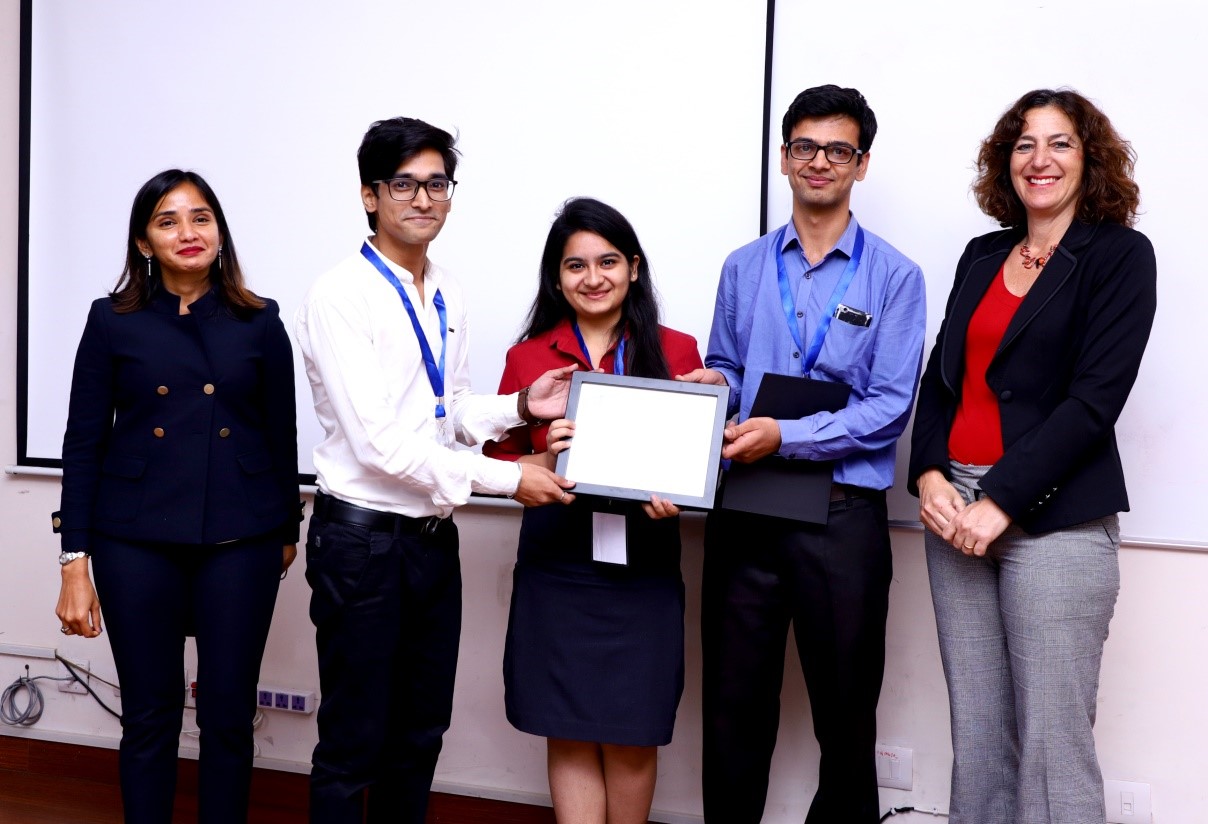
When the air quality in Delhi and other cities in the north is deteriorating with pollution level touching ‘hazardous’ mark, a new mobile app promises to be of some help. The app, Air Cognizer, uses camera images to estimate air pollution level in the vicinity. The idea has won its developer an award by the US-based Marconi Society.
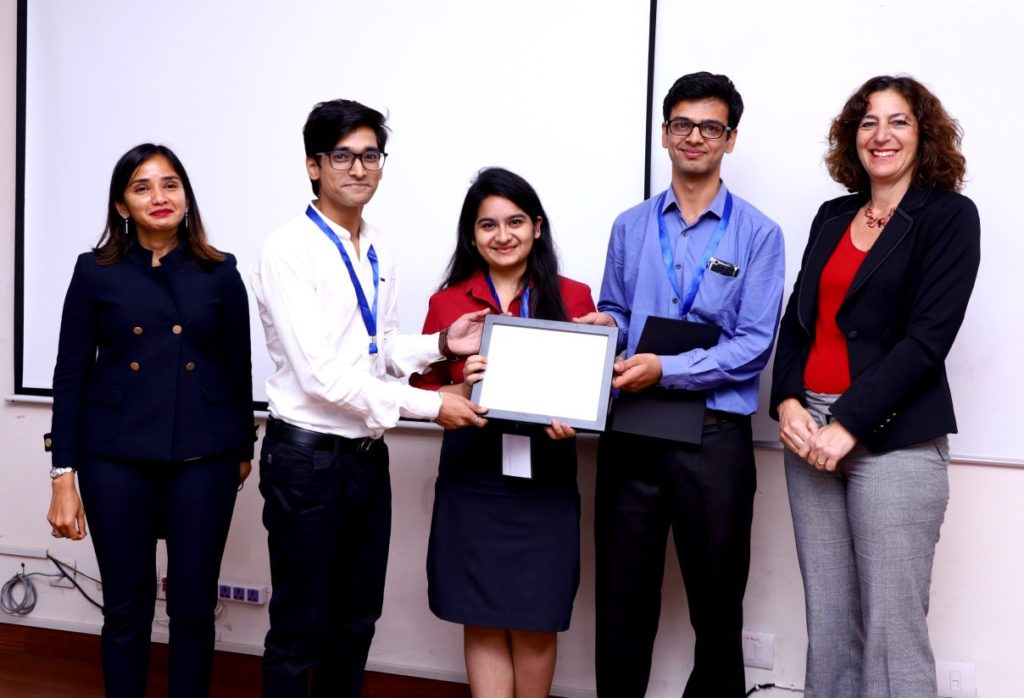
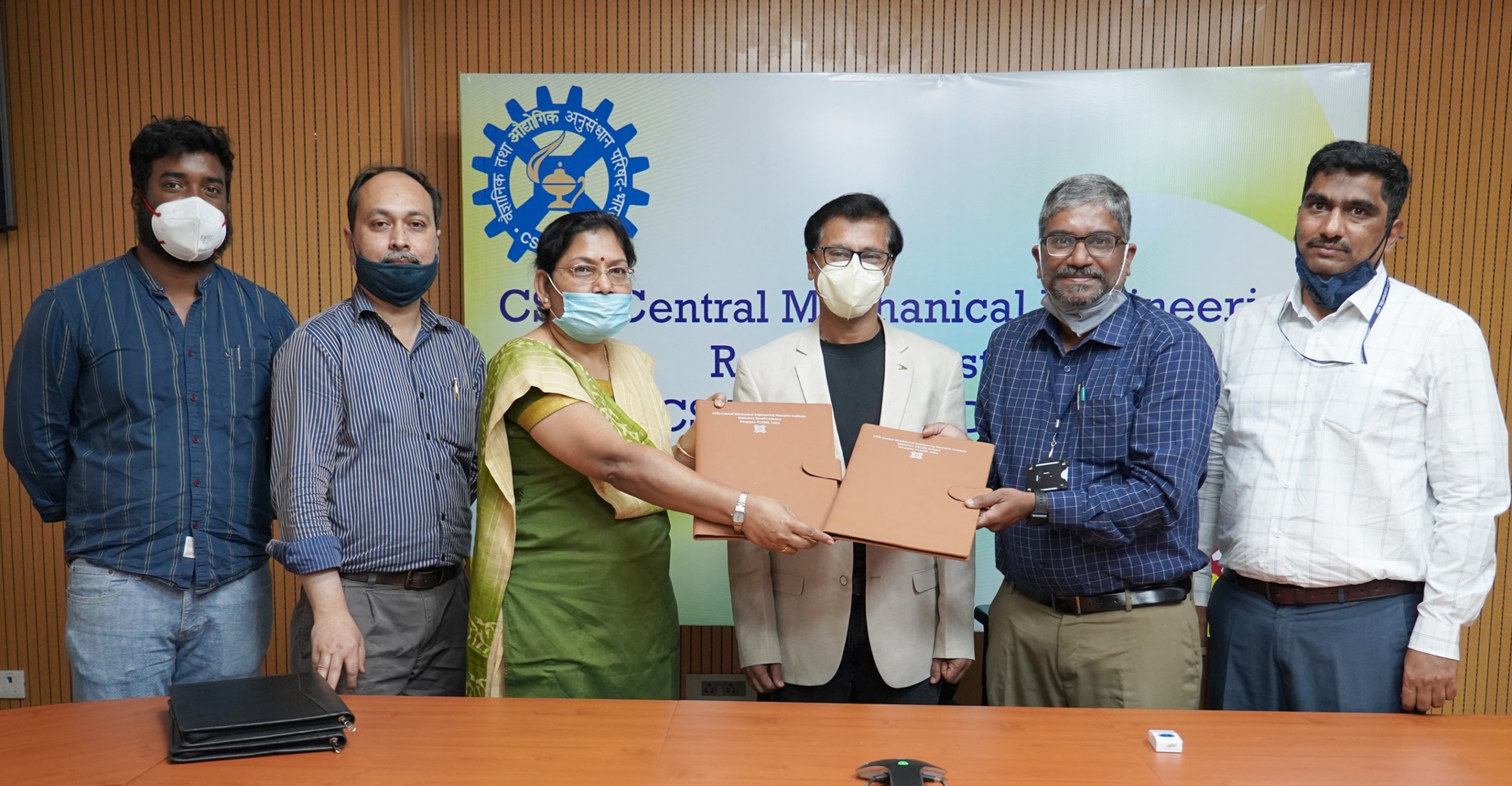
Prize winning team from Bharti Vidyapeetham College of Engineering.

IMAGE: Prize-winning team from Bharti Vidyapeetham College of Engineering.

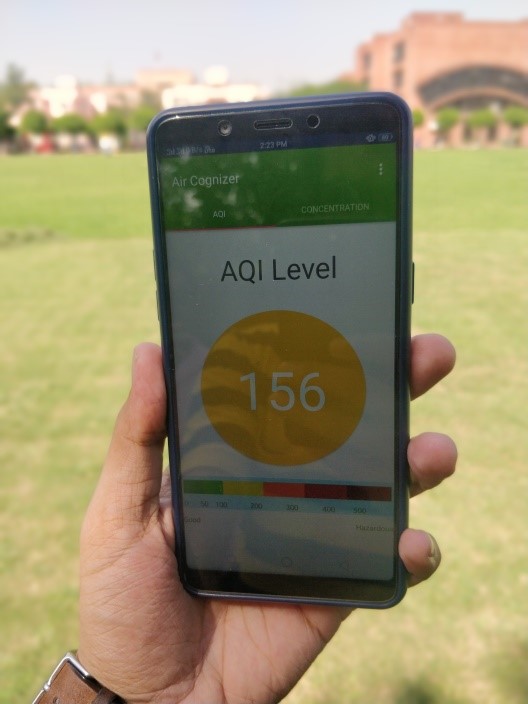
The app has been developed by a team from the Delhi-based Bharati Vidyapeeth College of Engineering. “It is a real-time air quality analytics application. Click an image either through the smartphone camera or by the app camera. The image should be taken outdoors with half of the image covering the sky and should be uploaded on the app. After this, the user would get the air quality index of that locality,” explained Tanmay Srivastava, a team member, while speaking to India Science Wire.
Use Your Phone Camera for Real-Time Pollution Check

As soon as the image gets uploaded on that app, the underlying software starts extracting the information from features of the image. By combining image processing with machine learning, the app can generate estimates of air quality. The image features used for analysis include how dark, intense or light is the sky in the picture. After this, the machine learning model estimates the air quality index (AQI) of that location. As of now, the app is capable of calculating air quality index, PM 2.5, SO2, ozone, temperature, and humidity.

“The app uses government marked AQI – 0 to 500 – and tells the actual concentration along with the AQI. The more one uses the app the better would be the results,” said Kanishk Jeet, another team member. It took the team five months to develop the app beta version of which can be downloaded from Google play store. Prerna Khanna is the third member of the team.

Two more innovative ideas have been awarded by the society under its Celestini Program India. The second prize has gone to the team of Divyam Madaan and Radhika Dua, from UIET Chandigarh, Punjab University. They have prototyped a website that provides a 24-hour forecast of air pollution in Delhi, advanced machine learning techniques. It can predict major pollutant and causes (road traffic, industrial emissions, or agricultural wastes) in every location based on historical data. The website updates the information in real-time using Google Cloud platform and Cloud ML engine.

The third team, also from Bharti Vidyapeeth College of Engineering, included Sidharth Talia, Nikunj Agarwal, and Samarjeet Kaur. They prototyped a low-latency platform to transmit vehicle-to-vehicle alerts about potential road safety hazards or collisions using computer vision techniques on Raspberry Pi and XBee radio modules. (India Science Wire)

By Jyoti Singh

If you liked this article, then please subscribe to our YouTube Channel for the latest Science & Tech news. You can also find us on Twitter & Facebook.
The app has been developed by a team from the Delhi-based Bharati Vidyapeeth College of Engineering. “It is a real-time air quality analytics application. Click an image either through the smartphone camera or by the app camera. The image should be taken outdoors with half of the image covering the sky and should be uploaded on the app. After this, the user would get the air quality index of that locality,” explained Tanmay Srivastava, a team member, while speaking to India Science Wire.

Use Your Phone Camera for Real-Time Pollution Check

As soon as the image gets uploaded on that app, the underlying software starts extracting the information from features of the image. By combining image processing with machine learning, the app can generate estimates of air quality. The image features used for analysis include how dark, intense or light is the sky in the picture. After this, the machine learning model estimates the air quality index (AQI) of that location. As of now, the app is capable of calculating air quality index, PM 2.5, SO2, ozone, temperature, and humidity.

“The app uses government marked AQI – 0 to 500 – and tells the actual concentration along with the AQI. The more one uses the app the better would be the results,” said Kanishk Jeet, another team member. It took the team five months to develop the app beta version of which can be downloaded from Google play store. Prerna Khanna is the third member of the team.

Two more innovative ideas have been awarded by the society under its Celestini Program India. The second prize has gone to the team of Divyam Madaan and Radhika Dua, from UIET Chandigarh, Punjab University. They have prototyped a website that provides a 24-hour forecast of air pollution in Delhi, advanced machine learning techniques. It can predict major pollutant and causes (road traffic, industrial emissions, or agricultural wastes) in every location based on historical data. The website updates the information in real-time using Google Cloud platform and Cloud ML engine.

The third team, also from Bharti Vidyapeeth College of Engineering, included Sidharth Talia, Nikunj Agarwal, and Samarjeet Kaur. They prototyped a low-latency platform to transmit vehicle-to-vehicle alerts about potential road safety hazards or collisions using computer vision techniques on Raspberry Pi and XBee radio modules. (India Science Wire)

By Jyoti Singh

If you liked this article, then please subscribe to our YouTube Channel for the latest Science & Tech news. You can also find us on Twitter & Facebook.
" }
CSIR-CMERI Transfers COVID Related Technologies for Commercial Production

CSIR-CMERI Transfers COVID Related Technologies for Commercial Production

In a recent initiative, CSIR-Central Mechanical Engineering Research Institute Durgapur has transferred its COVID-related technologies to Sai Enviro Engineers Pvt Ltd, Zen Medical Technologies Pvt Ltd, and Trinity Microsystems Pvt Ltd

  • News
  • 2.1K
Read more
Scientific Departments to Get a New Home

Scientific Departments to Get a New Home

It is not enough that scientists and technologists keep gaining new knowledge and developing new products useful to society. They should also have a workplace befitting their work profile.

  • News
  • 1.9K
Read more
Scientists Convert Fly Ash into Water Proofing Material

Scientists Convert Fly Ash into Water Proofing Material

Researchers from the Indian Institute of Technology Hyderabad have found that fly ash - a waste byproduct of power plants that poses a threat to the environment - can be modified into a waterproofing material

  • News
  • 2.5K
Read more

Internet is huge! Help us find great content

Newsletter

Never miss a thing! Sign up for our newsletter to stay updated.

About

Research Stash is a curated collection of tools and News for S.T.E.M researchers

Have any questions or want to partner with us? Reach us at [email protected]

Navigation

Submit