
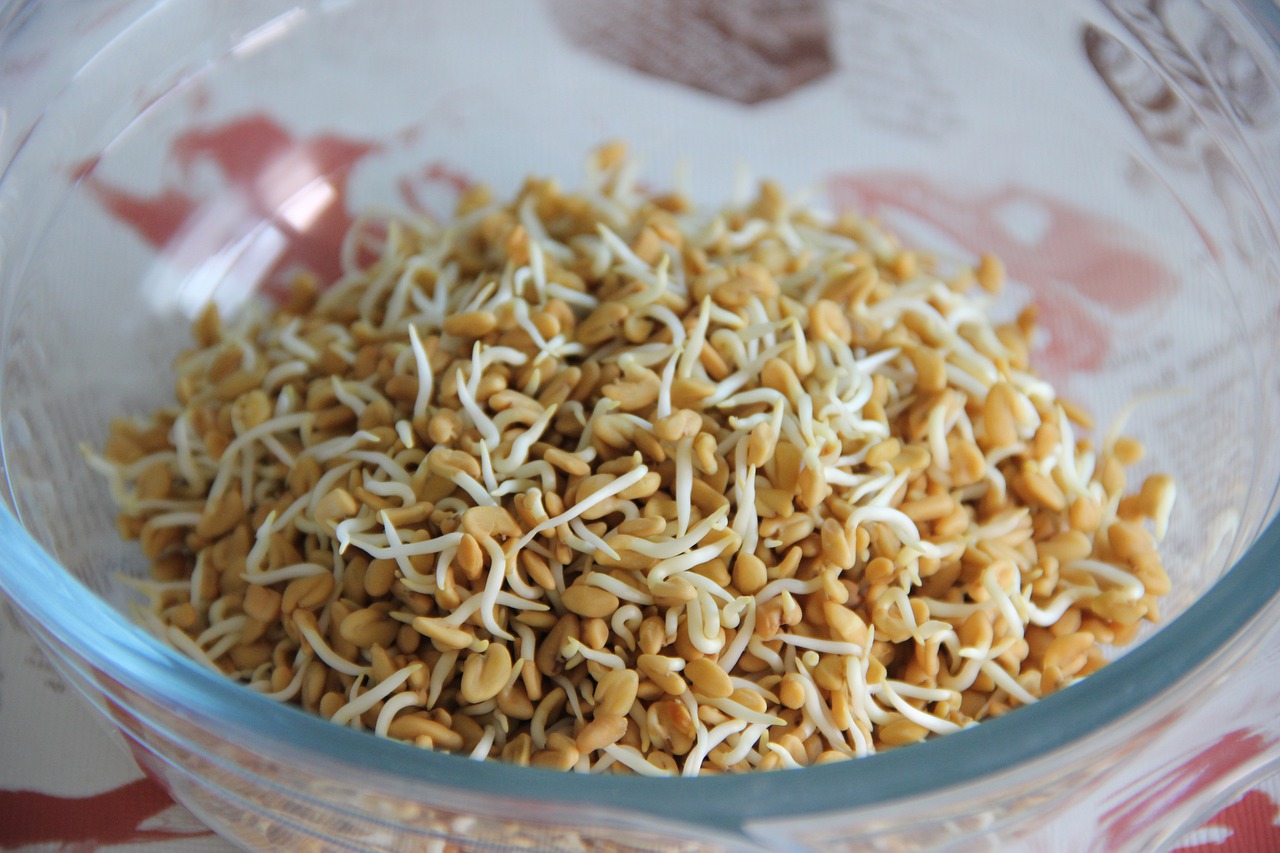
Fenugreek and Onion Are Good For Diabetic Heart

Fenugreek and Onion Are Good For Diabetic Heart

  • Research Stash
  • News
  • 2.7K

The role of fenugreek and onion in preventing cardiovascular diseases has been a part of traditional knowledge in India. Now scientists from CSIR-Central Food Technological Research Institute, Mysore have found out the mechanism by which fenugreek and onion protect heart-related disorders in diabetic patients.
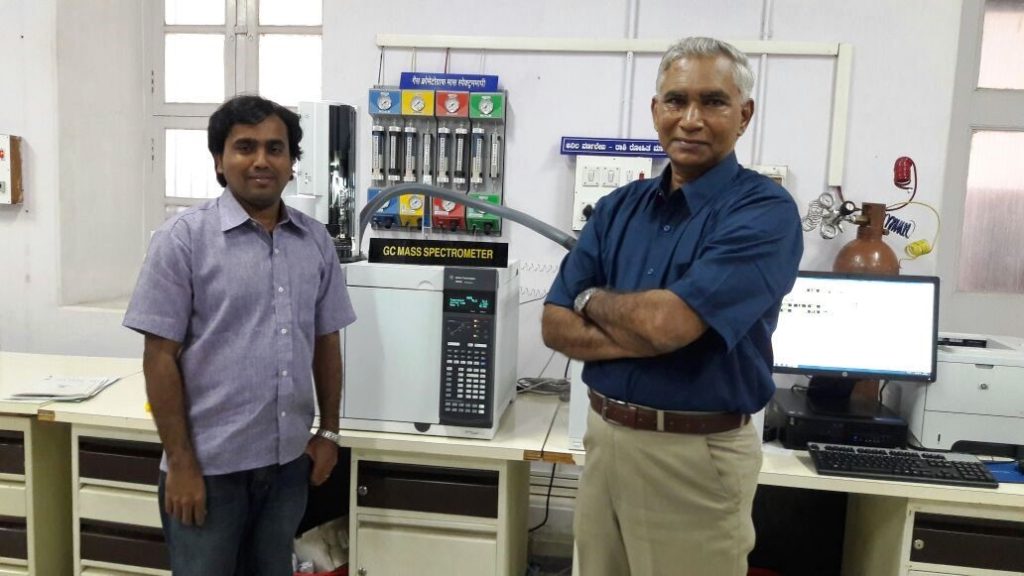
Researchers at Central Food Technological Research Institute, Mysore.

Researchers at Central Food Technological Research Institute, Mysore.

Lifestyle disorders such as diabetes, hypertension, and obesity are on the rise globally. Diabetes or hyperglycemia occurs when the body is unable to utilize sugar in the blood due to insufficient amounts of hormone, insulin. Heart-related disorders are a leading cause of death among diabetics.

In order to understand the mechanism of action of fenugreek and onion, scientists first induced diabetic condition in mice. The animals were either given their normal diet or a normal diet supplemented with fenugreek or onion, in combination or alone. By examining cardiac tissues, scientists reaffirmed that the cardiovascular health of mice fed with fenugreek and onion was better.

Earlier it was known that more production of an enzyme (angiotensin-converting enzyme or ACE) and receptor (AT1 of renin-angiotensin system) in cardiac tissues of diabetic patients is a cause of heart-related disorders. Scientists have shown that both the enzyme and receptor are produced less in mice supplemented with fenugreek and onion and therefore the entire successive biochemical pathway initiated by these two is attenuated.

Although fenugreek and onion individually were able to ameliorate heart-related disorders in diabetic rats, it was found that they worked better in combination. The research results have been published in journal Cardiovascular toxicology.

“The fiber-rich fenugreek seeds and sulfur compound-rich onion are now understood to possess significant sugar-lowering as well as lipid-lowering action. They also possess antioxidant potential which is likely to have far-reaching implication in alleviating secondary complications associated with diabetes,” explained Dr. Krishnapura Srinivasan, who led the study, while talking to India Science Wire. The study was jointly done by him and Krishnapura Srinivasan. (India Science Wire)

By Dr. Aditi Jain

Journal Reference

Alleviation of Cardiac Damage by Dietary Fenugreek (Trigonella foenum-graecum) Seeds is Potentiated by Onion (Allium cepa) in Experimental Diabetic Rats via Blocking Renin-Angiotensin System

If you liked this article, then please subscribe to our YouTube Channel for the latest Science and Tech news. You can also find us on Twitter and Facebook.
Rate

Lifestyle disorders such as diabetes, hypertension, and obesity are on the rise globally. Diabetes or hyperglycemia occurs when the body is unable to utilize sugar in the blood due to insufficient amounts of hormone, insulin. Heart-related disorders are a leading cause of death among diabetics.

In order to understand the mechanism of action of fenugreek and onion, scientists first induced diabetic condition in mice. The animals were either given their normal diet or a normal diet supplemented with fenugreek or onion, in combination or alone. By examining cardiac tissues, scientists reaffirmed that the cardiovascular health of mice fed with fenugreek and onion was better.

Earlier it was known that more production of an enzyme (angiotensin-converting enzyme or ACE) and receptor (AT1 of renin-angiotensin system) in cardiac tissues of diabetic patients is a cause of heart-related disorders. Scientists have shown that both the enzyme and receptor are produced less in mice supplemented with fenugreek and onion and therefore the entire successive biochemical pathway initiated by these two is attenuated.

Although fenugreek and onion individually were able to ameliorate heart-related disorders in diabetic rats, it was found that they worked better in combination. The research results have been published in journal Cardiovascular toxicology.

“The fiber-rich fenugreek seeds and sulfur compound-rich onion are now understood to possess significant sugar-lowering as well as lipid-lowering action. They also possess antioxidant potential which is likely to have far-reaching implication in alleviating secondary complications associated with diabetes,” explained Dr. Krishnapura Srinivasan, who led the study, while talking to India Science Wire. The study was jointly done by him and Krishnapura Srinivasan. (India Science Wire)

By Dr. Aditi Jain

Journal Reference

Alleviation of Cardiac Damage by Dietary Fenugreek (Trigonella foenum-graecum) Seeds is Potentiated by Onion (Allium cepa) in Experimental Diabetic Rats via Blocking Renin-Angiotensin System

If you liked this article, then please subscribe to our YouTube Channel for the latest Science and Tech news. You can also find us on Twitter and Facebook.

" }
Smart Microscopy Solution for Better Diagnostics

Smart Microscopy Solution for Better Diagnostics

A smart microscopy solution has been developed by researchers at Chandigarh-based Central Scientific Instruments Organization of the Council of Scientific and Industrial Research. It can acquire microscopic images or use stored microscopic images of a blood sample understudy for the quantification of Red Blood Cells and White Blood Cells.

  • News
  • 1.8K
Read more
Micro needle-Based System Can Take Pain Away from Vaccinations

Microneedle-Based System Can Take Pain Away from Vaccinations

For kids who hate needle pricks, there may be another option in the offing. Scientists at Hyderabad campus of Birla Institute of Technology and Science (BITS) Pilani have developed a microneedle patch for drug delivery using a biopolymer, zein.

  • News
  • 2.2K
Read more
Cells inside Cells: The Bacteria That Live in Cancer Cells

Cells inside Cells: The Bacteria That Live in Cancer Cells

The study, headed by researchers at the Weizmann Institute of Science, found bacteria living inside the cells of all the cancer types – from the brain to bone to breast cancer – and even identified unique populations of bacteria residing in each type of cancer.

  • News
  • 2.1K
Read more

Internet is huge! Help us find great content

Newsletter

Never miss a thing! Sign up for our newsletter to stay updated.

About

Research Stash is a curated collection of tools and News for S.T.E.M researchers

Have any questions or want to partner with us? Reach us at hello@researchstash.com

Navigation

Submit