Warm Northerly Winds Contributed to Antarctic’s Decreased Sea Ice Extent in Feb 2022

Warm Northerly Winds Contributed to Antarctic’s Decreased Sea Ice Extent in Feb 2022

  • Research Stash
  • News
  • 3.1K

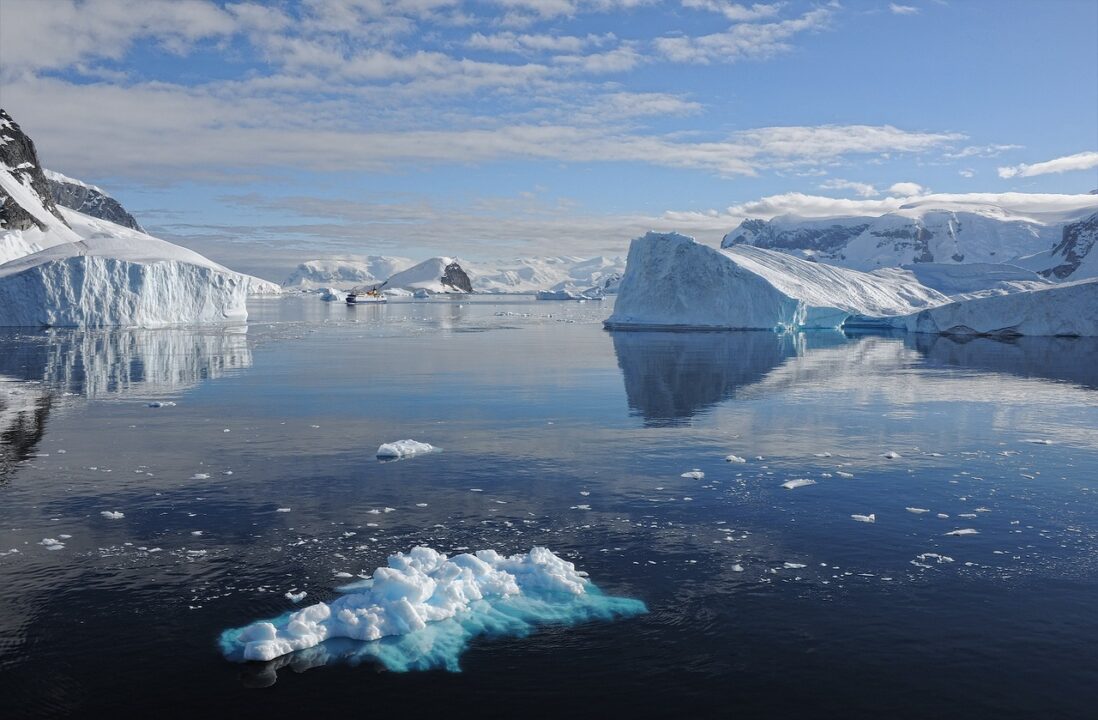
A recent study conducted by researchers from the National Centre for Polar and Ocean Research (NCPOR), Goa, has revealed the reasons behind the lowest Antarctic Sea Ice Extent (SIE) in February 2022.

They have investigated the role of atmospheric forcing and climate fluctuations in identifying the causes of the sea ice retreat. The lowest Sea Ice Extent (SIE) record was assumed to result from the sea ice recession that began in September 2021. SIE is the area of ice that covers the arctic ocean at a given time.

There is a difference between sea ice area and sea ice extent. Sea ice area is the total region covered by ice, whereas sea ice extent is the whole region with at least 15 percent sea ice cover. Sea ice plays a vital role in reflecting sunlight into space, regulating ocean and air temperature, circulating ocean water, and maintaining animal habitats. As per the data provided by NASA, the summer SIE is shrinking by 12.6% per decade due to global warming.

According to the researchers, SIE reached a record low of 2.16 × 10⁶ km2 in February 2022, 43% lower than the mean extent of the previous February months since the satellite era. However, the second-lowest SIE was recorded from November 2021 to January 2022. The Weddell Sea, Ross Sea, and Bellingshausen/Amundsen Seas (ABS) sectors experienced the maximum sea ice change on a regional scale.

“The record-low SIE occurred when the Amundsen Sea Low (ASL) pressure centre was intensified, with the Southern Annular Mode (SAM) at its positive phase. Together, these two climate fluctuations played a role in modifying the pressure and wind patterns in Antarctica. The warm northerly winds contributed to decreased SIE,” The researchers inform.

The study also investigated the Polar Cap Height (PCH), which demonstrates a strengthening of the stratospheric polar vortex and positive polarity of the SAM. The advent of satellite remote sensing in the late 1970s enabled the continuous observation of sea ice distribution in remote and harsh polar environments. Since 1979, the Antarctic SIE had shown a weak but significant positive trend until 2015, when it unexpectedly declined by∼50% with no discernible trend in subsequent years.

The researchers examined the monthly (September to February) and seasonal (spring and summer) sea ice variability in response to climate changes and polar vortex variability. They also studied atmospheric variables to determine their fidelity to the sea ice. The study analysed sea ice data derived from multichannel passive microwave satellites since the late 1970s.

The record low of February 2022 is linked to physical forcings, including monthly and seasonal variability. The deepening of the ASL has been identified with the strong northerly winds across the ABS and the Weddell Sea sectors, resulting in sea ice retreat. Wind-driven positive sea ice anomalies were observed in sectors with increasing southerly winds.

The lowest Antarctic Sea ice record in February 2022 resulted from the long months of sea ice retreat induced by the cumulative response of the positive SAM and the deepening of the ASL. The atmospheric temperature and GPH anomaly also revealed evidence of warming at the surface, extending from the upper to the lower atmosphere and from the equator to the higher latitudes.

Due to the regional nature of Antarctic Sea ice variability, slight changes in atmospheric circulation in any sector may impact the SIE for the entire Southern Ocean. The findings of the study indicate that ASL and SAM play a more significant role in controlling sea ice variability in East Antarctica and the Weddell Sea during the ice retreat phase.

The study may help understand the role of atmospheric circulation and climate variability responsible for specific short-term events of low Antarctic Sea ice. It may also provide insights into how antarctic sea ice evolved before the satellite era and how it may vary in future.

The research team comprised Juhi Yadav (National Centre for Polar and Ocean Research, Ministry of Earth Sciences & Department of Marine Geology, Mangalore University, Mangalore); Avinash Kumar; and Rahul Mohan. The study has been published in Environmental Research Communications, an open access journal. (ISW)

If you liked this article, then please subscribe to our YouTube Channel for the latest Science & Tech news. You can also find us on Twitter & Facebook

Rate

According to the researchers, SIE reached a record low of 2.16 × 10⁶ km2 in February 2022, 43% lower than the mean extent of the previous February months since the satellite era. However, the second-lowest SIE was recorded from November 2021 to January 2022. The Weddell Sea, Ross Sea, and Bellingshausen/Amundsen Seas (ABS) sectors experienced the maximum sea ice change on a regional scale.

“The record-low SIE occurred when the Amundsen Sea Low (ASL) pressure centre was intensified, with the Southern Annular Mode (SAM) at its positive phase. Together, these two climate fluctuations played a role in modifying the pressure and wind patterns in Antarctica. The warm northerly winds contributed to decreased SIE,” The researchers inform.

The study also investigated the Polar Cap Height (PCH), which demonstrates a strengthening of the stratospheric polar vortex and positive polarity of the SAM. The advent of satellite remote sensing in the late 1970s enabled the continuous observation of sea ice distribution in remote and harsh polar environments. Since 1979, the Antarctic SIE had shown a weak but significant positive trend until 2015, when it unexpectedly declined by∼50% with no discernible trend in subsequent years.

The researchers examined the monthly (September to February) and seasonal (spring and summer) sea ice variability in response to climate changes and polar vortex variability. They also studied atmospheric variables to determine their fidelity to the sea ice. The study analysed sea ice data derived from multichannel passive microwave satellites since the late 1970s.

The record low of February 2022 is linked to physical forcings, including monthly and seasonal variability. The deepening of the ASL has been identified with the strong northerly winds across the ABS and the Weddell Sea sectors, resulting in sea ice retreat. Wind-driven positive sea ice anomalies were observed in sectors with increasing southerly winds.

The lowest Antarctic Sea ice record in February 2022 resulted from the long months of sea ice retreat induced by the cumulative response of the positive SAM and the deepening of the ASL. The atmospheric temperature and GPH anomaly also revealed evidence of warming at the surface, extending from the upper to the lower atmosphere and from the equator to the higher latitudes.

Due to the regional nature of Antarctic Sea ice variability, slight changes in atmospheric circulation in any sector may impact the SIE for the entire Southern Ocean. The findings of the study indicate that ASL and SAM play a more significant role in controlling sea ice variability in East Antarctica and the Weddell Sea during the ice retreat phase.

The study may help understand the role of atmospheric circulation and climate variability responsible for specific short-term events of low Antarctic Sea ice. It may also provide insights into how antarctic sea ice evolved before the satellite era and how it may vary in future.

The research team comprised Juhi Yadav (National Centre for Polar and Ocean Research, Ministry of Earth Sciences & Department of Marine Geology, Mangalore University, Mangalore); Avinash Kumar; and Rahul Mohan. The study has been published in Environmental Research Communications, an open access journal. (ISW)

If you liked this article, then please subscribe to our YouTube Channel for the latest Science & Tech news. You can also find us on Twitter & Facebook
" }
Scientists Gain New Insight into Neurodegenerative Diseases Using Fruit Flies

Scientists Gain New Insight into Neurodegenerative Diseases Using Fruit Flies

A team of scientists from India, Ireland and America have uncovered a novel role of a protein, Ataxin-2, in initiation and progression of neurodegenerative diseases - Amyotrophic Lateral Sclerosis (ALS) and Spinocerebellar Ataxia Type 2 (SCA2).

  • News
  • 3.8K
Read more
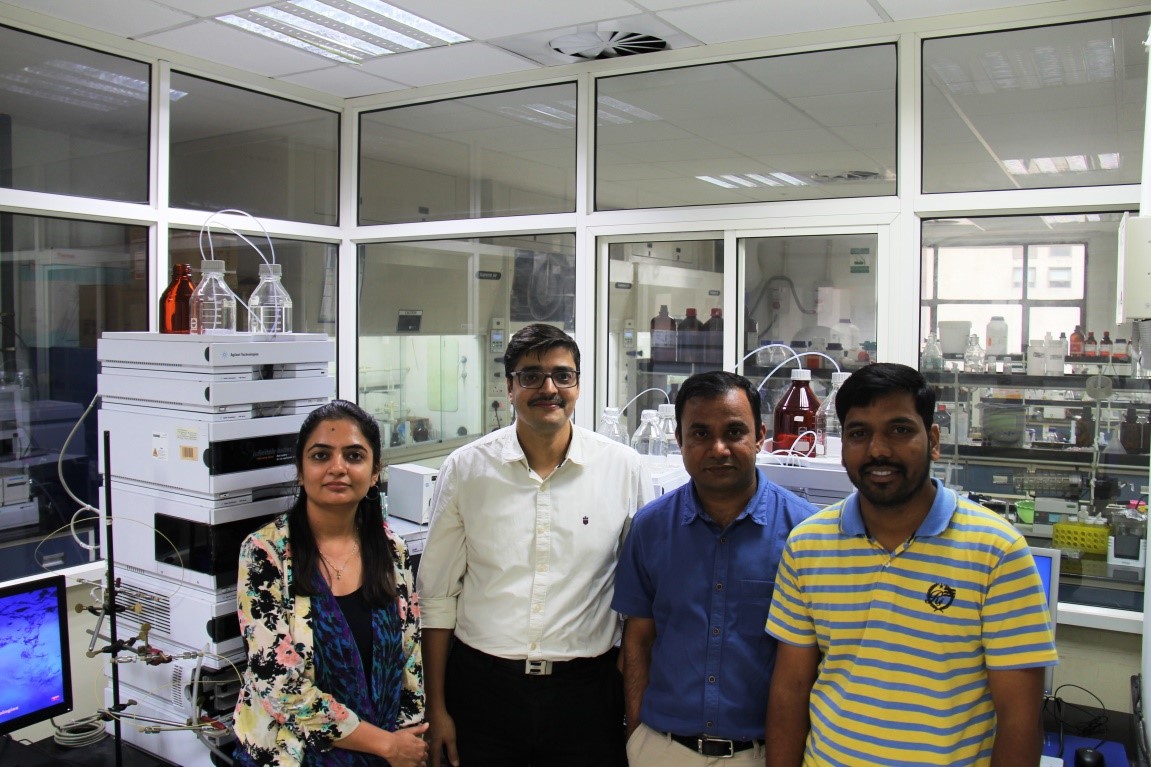
Drs. Neetu Kalra, Vishal Rai, Sanjeev Shukla, Maheshwer reddy Chilamari (Left to Right)

Scientists Develop New Method to Synthesize Bio-Conjugates

In a promising development in the area of targeted treatment of cancer, a team of researchers at the Indian Institute of Science Education and Research (IISER), Bhopal, have developed a new method to synthesize antibody-drug conjugates (ADC) using the chemical route.

  • News
  • 2.6K
Read more
Scientists Convert Fly Ash into Water Proofing Material

Scientists Convert Fly Ash into Water Proofing Material

Researchers from the Indian Institute of Technology Hyderabad have found that fly ash - a waste byproduct of power plants that poses a threat to the environment - can be modified into a waterproofing material

  • News
  • 2.4K
Read more

Internet is huge! Help us find great content

Newsletter

Never miss a thing! Sign up for our newsletter to stay updated.

About

Research Stash is a curated collection of tools and News for S.T.E.M researchers

Have any questions or want to partner with us? Reach us at hello@researchstash.com

Navigation

Submit