

Scientists Uncover A New Approach to Inhibit Zika Virus Replication

Scientists Uncover A New Approach to Inhibit Zika Virus Replication

  • Research Stash
  • News
  • 1.9K

Efforts to find an effective treatment for the Zika virus could get a boost with researchers at the Indian Institute of Technology Indore identifying some structures in the genetic makeup of the virus that could be used as targets for drugs.

The COVID-19 pandemic has highlighted the threat posed by emerging and re-emerging diseases to public health across the world. This has led to an increase in the focus of medical research on the development of effective drugs and vaccines against them. Zika is one such virus. The World Health Organization (WHO) had declared it as a public health emergency of international concern after an outbreak in Brazil in 2015.

Zika is a mosquito-borne virus. Around 86 countries have reported cases of Zika to date, thus making it a major cause for concern.  It is found to be associated with neurological complications like Microcephaly in children and Guillain-Barré syndrome in adults. Studies have also shown that infection in pregnant women may lead to congenital abnormalities in the developing fetus or the neonates. However, at present, there is no specific vaccine or medicine for the Zika virus.

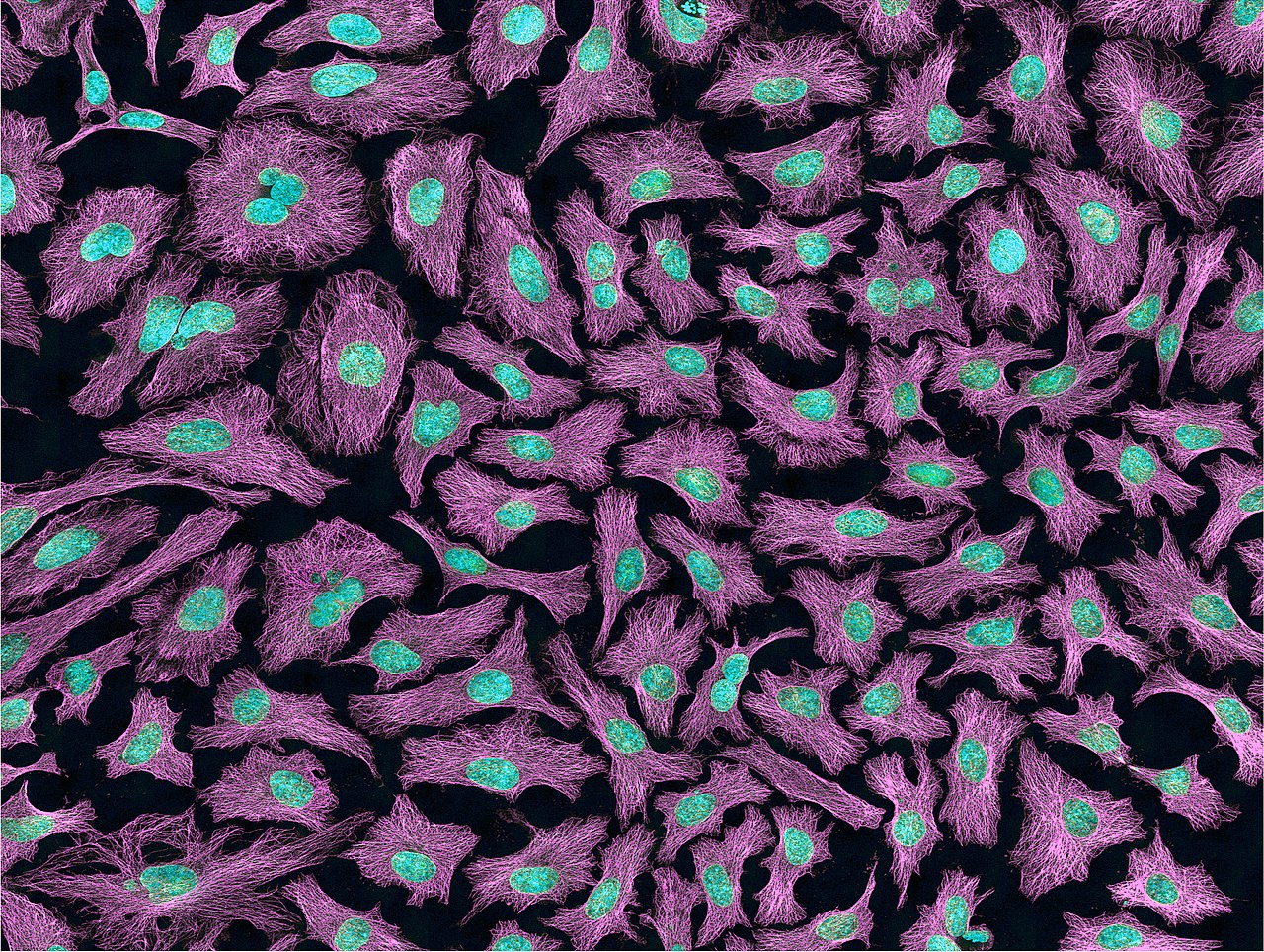
A recent study by a team of scientists from IIT Indore promises to help address the problem. They have identified specific secondary structures called G-quadruplexes (GQ) in the RNA of the virus that could act as drug binding sites. These structures made of nucleic acids have proven to be effective drug-targeting sites for anti-cancer treatment and are recently being explored for other diseases as well.

In association with a research group from the University of Nebraska-Lincoln, USA, the team has also characterized and evaluated the interaction patterns of the genetic sequences in the virus that form the G-quadruplex structures with some drug molecules.

Speaking to India Science Wire, Dr. Amit Kumar and Dr. Debasis Nayak, from IIT Indore who conceptualized the work along with Prof. Asit K. Pattnaik from University of Nebraska-Lincoln, USA, said, “We treated cells infected with the virus and found a significant decrease in the viral replication and turn in the viral growth. The molecules are effective against the virus. Our study can open up new avenues for control and mitigation of Zika virus”.

Asked about their plans, they said that they were searching for more small molecules targeting the Zika virus secondary structures that can act as potential antiviral drug candidates against the Zika virus without affecting the host cells.

A report on the research work was recently published in Molecular Therapy-Nucleic Acids . The team included Prativa Majee, Uma Shankar from IIT Indore and Aryamav Pattnaik, and Bikash R. Sahoo from University of Nebraska-Lincoln, USA, besides Dr. Amit Kumar, and Dr. Debasis Nayak, and Prof. Asit K. Pattnaik. (ISW)

If you liked this article, then please subscribe to our YouTube Channel for the latest Science & Tech news. You can also find us on Twitter & Facebook
Rate

A recent study by a team of scientists from IIT Indore promises to help address the problem. They have identified specific secondary structures called G-quadruplexes (GQ) in the RNA of the virus that could act as drug binding sites. These structures made of nucleic acids have proven to be effective drug-targeting sites for anti-cancer treatment and are recently being explored for other diseases as well.

In association with a research group from the University of Nebraska-Lincoln, USA, the team has also characterized and evaluated the interaction patterns of the genetic sequences in the virus that form the G-quadruplex structures with some drug molecules.

Speaking to India Science Wire, Dr. Amit Kumar and Dr. Debasis Nayak, from IIT Indore who conceptualized the work along with Prof. Asit K. Pattnaik from University of Nebraska-Lincoln, USA, said, “We treated cells infected with the virus and found a significant decrease in the viral replication and turn in the viral growth. The molecules are effective against the virus. Our study can open up new avenues for control and mitigation of Zika virus”.

Asked about their plans, they said that they were searching for more small molecules targeting the Zika virus secondary structures that can act as potential antiviral drug candidates against the Zika virus without affecting the host cells.

A report on the research work was recently published in Molecular Therapy-Nucleic Acids . The team included Prativa Majee, Uma Shankar from IIT Indore and Aryamav Pattnaik, and Bikash R. Sahoo from University of Nebraska-Lincoln, USA, besides Dr. Amit Kumar, and Dr. Debasis Nayak, and Prof. Asit K. Pattnaik. (ISW)

If you liked this article, then please subscribe to our YouTube Channel for the latest Science & Tech news. You can also find us on Twitter & Facebook
" }
Veterinary Drug May Be Repurposed For Human Cancers

Veterinary Drug May Be Repurposed For Human Cancers

Indian scientists have found that fenbendazole, a broad-spectrum antiparasitic drug used in the veterinary sector, could be useful against cancers as well

  • News
  • 7.8K
Read more
Freshly harvested fruits

Wild Blood Fruit A Source of Natural Red Colourant May Be Domesticated

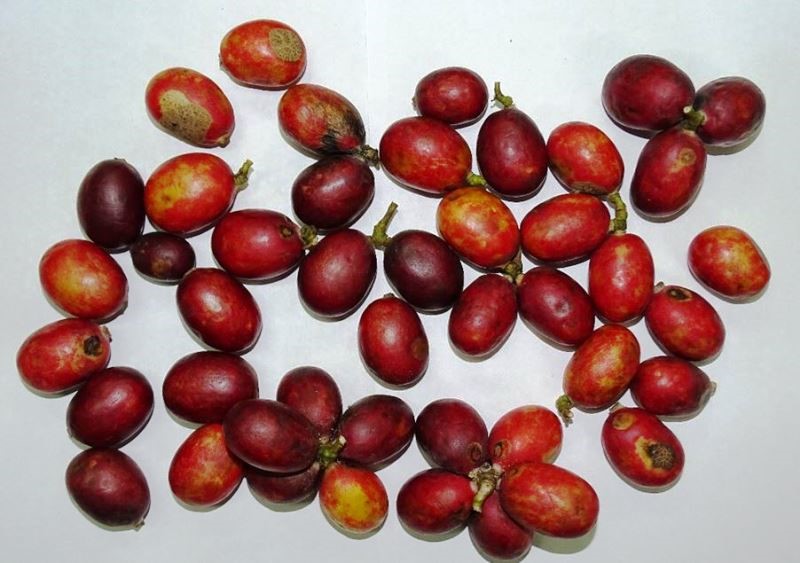
Blood fruit is a woody climber and it is very popular among tribes in the Northeastern states, Andaman and Nicobar Islands and Bangladesh. The fruit is not only tasty and rich in anti-oxidant but is also a good source of dye for the local handicraft industry.  Now researchers have developed a standard nursery protocol for its propagation.

  • News
  • 2.8K
Read more
New Study to Help Develop Salt-Tolerant Plants

New Study to Help Develop Salt-Tolerant Plants

Efforts to make use of mangrove plants to meet the increasing need for food production in the wake of a growing world population could get a major boost with a team of Indian researchers reporting a reference-grade genome of a highly salt-tolerant mangrove species called Avicennia marina. It grows optimally in 75% seawater and can tolerate even 250% seawater.

  • News
  • 1.8K
Read more

Internet is huge! Help us find great content

Newsletter

Never miss a thing! Sign up for our newsletter to stay updated.

About

Research Stash is a curated collection of tools and News for S.T.E.M researchers

Have any questions or want to partner with us? Reach us at hello@researchstash.com

Navigation

Submit