Scientists Develop 'Black Gold' - A Wonder Material

Scientists Develop ‘Black Gold’ – A Wonder Material

  • Research Stash
  • News
  • 3.2K

Indians are fascinated with gold, making India one of the largest consumers of the yellow metal globally. Now Indian scientists have tinkered with the chemistry of the material and turned it into ‘black gold’ which they say can be potentially used for applications ranging from solar energy harvesting to desalinating seawater.

Scientists at the Mumbai-based Tata Institute of Fundamental Research (TIFR) used gold nanoparticles and by rearranging size and gaps between them developed a new material which has unique properties such as the capacity to absorb light and carbon dioxide. Gold does not have these properties, therefore ‘black gold’ is being called a new material. In appearance it is black, hence the name ‘black gold.’

The findings have been announced in Chemical Science, a scientific journal published by the Royal Society of Chemistry.

“We have not doped gold nanoparticles with any other material or added other materials. We varied the inter-particle distance between gold nanoparticles using a cycle-by-cycle growth approach by optimizing the nucleation-growth step, using dendritic fibrous nano silica, whose fibers were used as the deposition site for gold nanoparticles,” explained Vivek Polshettiwar, who led the research team, while speaking to India Science Wire.

One of the most fascinating properties of the new material is its ability to absorb the entire visible and near-infrared region of solar light. It does so because of inter-particle plasmonic coupling as well as heterogeneity in nanoparticle size. Black gold could also act as a catalyst and could convert carbon dioxide into methane at atmospheric pressure and temperature using solar energy.

“If we develop an artificial tree with leaves made out of back gold, it can perform artificial photosynthesis, capturing carbon dioxide and converting it into fuel and other useful chemicals,” added Prof Polshettiwar. The efficiency of conversion of carbon dioxide into fuel, at present, is low but researchers believe it could be improved in the future.

In order to study solar energy harvesting ability of the new material, researchers dispersed it into the water and exposed the solution to light for one hour and the temperature of the solution was measured. The temperature of the solution with pure silica spheres rose to 38 degrees while the ones with different concentrations of black gold rose to 67 to 88 degrees. The maximum increase in temperature has attributed the creation of thermal hotspots due to the heterogeneity of the particle sizes as well as optimum interparticle coupling.

Researchers said the material can be used as a nano-heater to convert seawater into potable water with good efficiency. “Our results indicate the potential application of black gold in the purification of seawater to potable water via steam generation using solar energy under atmospheric reaction conditions,” according to the researchers.

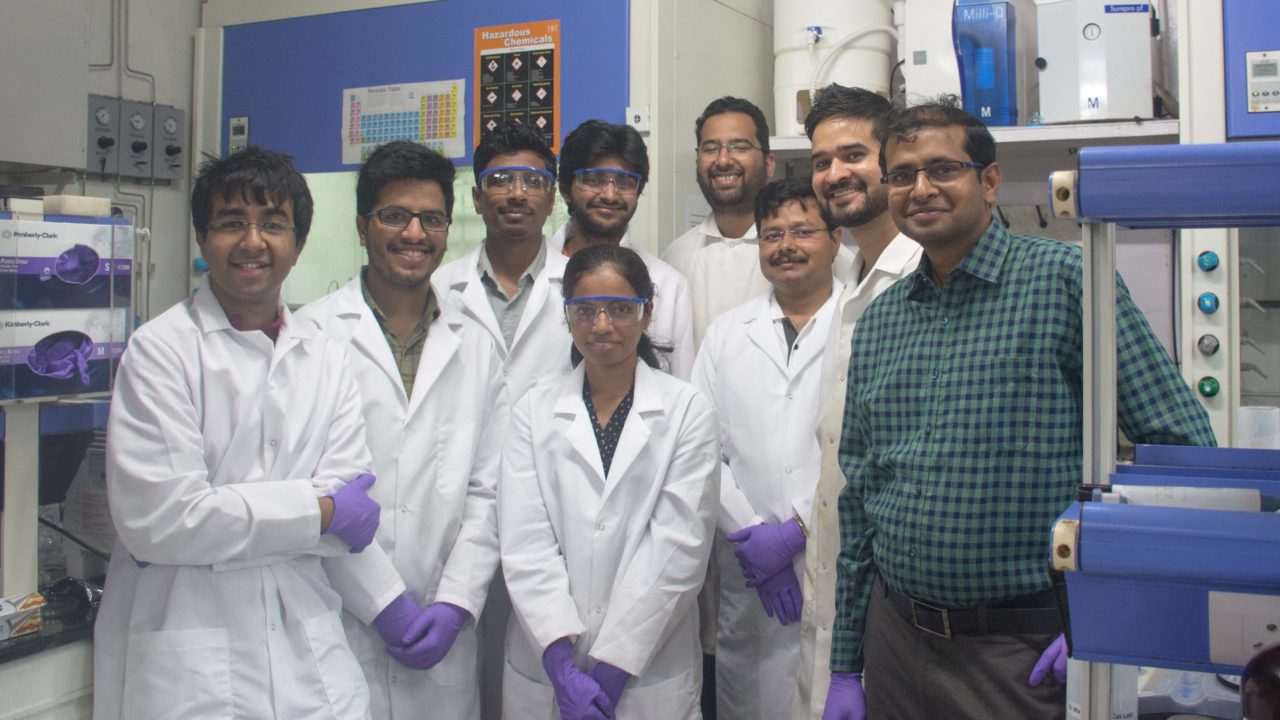
The research team included Mahak Dhiman, Ayan Maity, Anirban Das, Rajesh Belgamwar, Bhagyashree Chalke and Vivek Polshettiwar (TIFT); Yeonhee Lee, Kyunjong Sim and Jwa-Min Nam (Seoul National University). The study was funded by the Department of Science and Technology (DST) and the Department of Atomic Energy (DAE).

Dinesh C Sharma

If you liked this article, then please subscribe to our YouTube Channel for the latest Science & Tech news. You can also find us on Twitter & Facebook.
Rate

“We have not doped gold nanoparticles with any other material or added other materials. We varied the inter-particle distance between gold nanoparticles using a cycle-by-cycle growth approach by optimizing the nucleation-growth step, using dendritic fibrous nano silica, whose fibers were used as the deposition site for gold nanoparticles,” explained Vivek Polshettiwar, who led the research team, while speaking to India Science Wire.

One of the most fascinating properties of the new material is its ability to absorb the entire visible and near-infrared region of solar light. It does so because of inter-particle plasmonic coupling as well as heterogeneity in nanoparticle size. Black gold could also act as a catalyst and could convert carbon dioxide into methane at atmospheric pressure and temperature using solar energy.

“If we develop an artificial tree with leaves made out of back gold, it can perform artificial photosynthesis, capturing carbon dioxide and converting it into fuel and other useful chemicals,” added Prof Polshettiwar. The efficiency of conversion of carbon dioxide into fuel, at present, is low but researchers believe it could be improved in the future.

In order to study solar energy harvesting ability of the new material, researchers dispersed it into the water and exposed the solution to light for one hour and the temperature of the solution was measured. The temperature of the solution with pure silica spheres rose to 38 degrees while the ones with different concentrations of black gold rose to 67 to 88 degrees. The maximum increase in temperature has attributed the creation of thermal hotspots due to the heterogeneity of the particle sizes as well as optimum interparticle coupling.

Researchers said the material can be used as a nano-heater to convert seawater into potable water with good efficiency. “Our results indicate the potential application of black gold in the purification of seawater to potable water via steam generation using solar energy under atmospheric reaction conditions,” according to the researchers.

The research team included Mahak Dhiman, Ayan Maity, Anirban Das, Rajesh Belgamwar, Bhagyashree Chalke and Vivek Polshettiwar (TIFT); Yeonhee Lee, Kyunjong Sim and Jwa-Min Nam (Seoul National University). The study was funded by the Department of Science and Technology (DST) and the Department of Atomic Energy (DAE).

Dinesh C Sharma

If you liked this article, then please subscribe to our YouTube Channel for the latest Science & Tech news. You can also find us on Twitter & Facebook.
" }
Linking Weather Extremes with Climate Change In Real-Time

Linking Weather Extremes with Climate Change In Real-Time

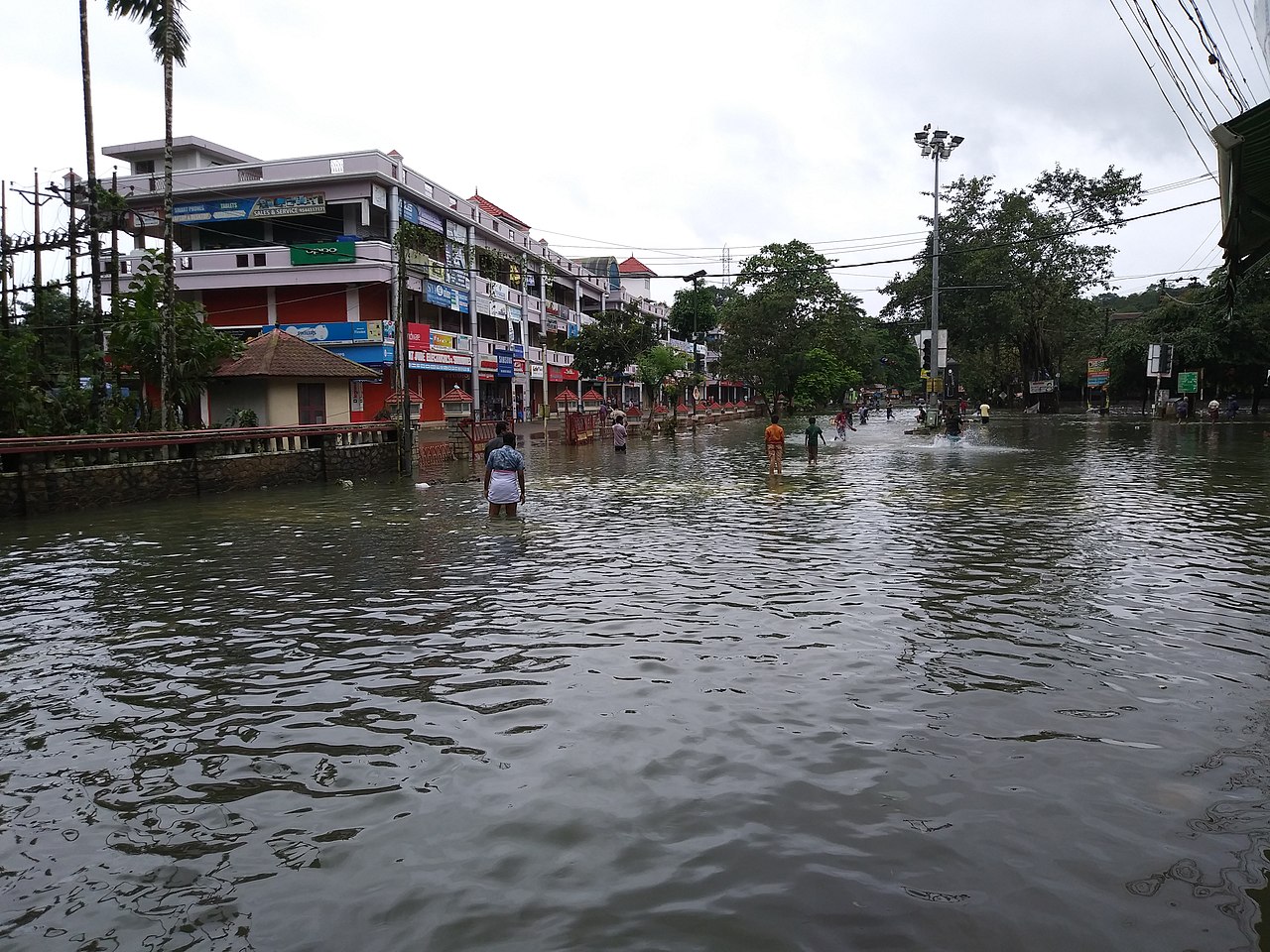
Every time an extreme weather event like the Kerala floods occurs, there is a great demand for information on its causes. The question uppermost in public discourse is if such events can be attributed to climate change and global warming

  • News
  • 2K
Read more
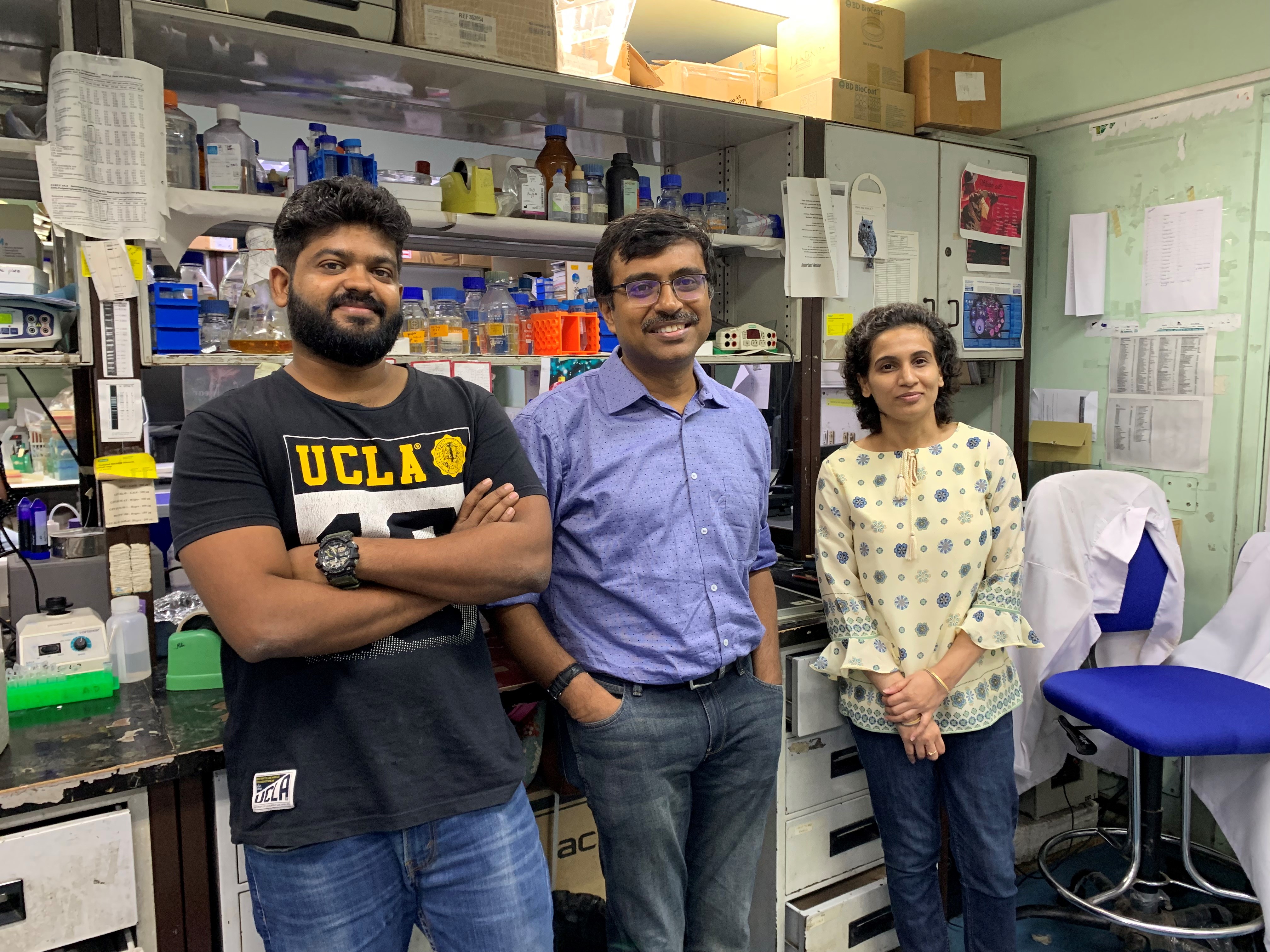
Dr Sagar Sengupta with his colleagues in his lab

Study Opens New Avenue for Preventing Cancer

In a new development in the area of cancer research, scientists at Delhi-based National Institute of Immunology have found a way to stop the degradation of a protein called p53 that prevents cancer cells from proliferating and forming tumors in the body

  • News
  • 3.9K
Read more
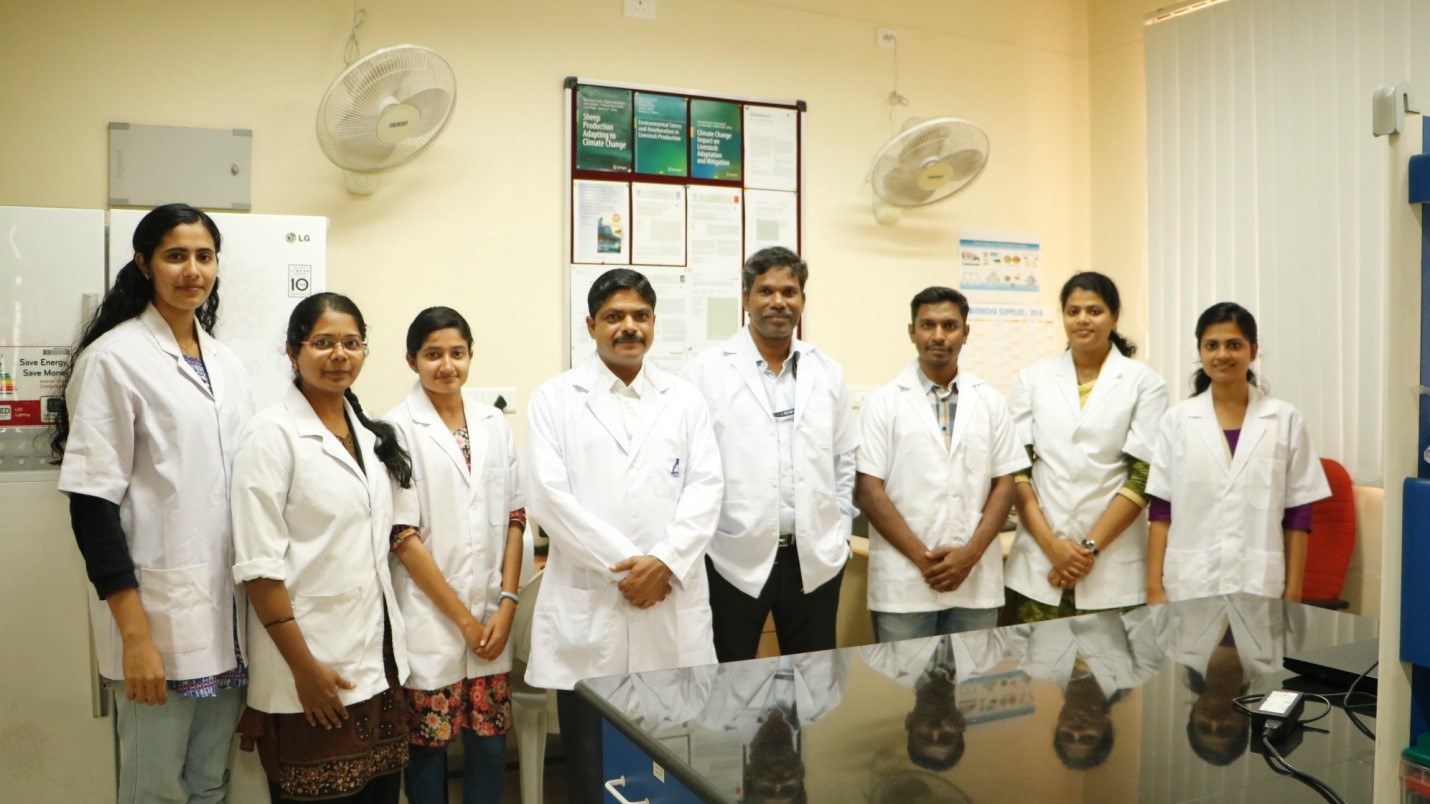
Dr. V. Sejian (fourth from the left) and his research team

How Resilient Are Indigenous Goats to Climate Change

Climate change is posing a challenge not only to agricultural crops but also to livestock. In order to sustain rural livelihoods, it is critical to identify livestock breeds that are climate resilient.

  • News
  • 2.5K
Read more

Internet is huge! Help us find great content

Newsletter

Never miss a thing! Sign up for our newsletter to stay updated.

About

Research Stash is a curated collection of tools and News for S.T.E.M researchers

Have any questions or want to partner with us? Reach us at hello@researchstash.com

Navigation

Submit