Scientists Develop Promising Multi-Flowering Pea Varieties

  • Research Stash
  • News
  • 2.4K

Legumes, a source of high protein, holds a special place in Indian diets. Among legumes, peas which are rich in vitamins and proteins are cherished for its taste and are a part of various cuisines.

Now scientists from the Indian Council of Agricultural Research have developed a pea variety that bears more flowers per stalk and therefore yields more peas per plant.
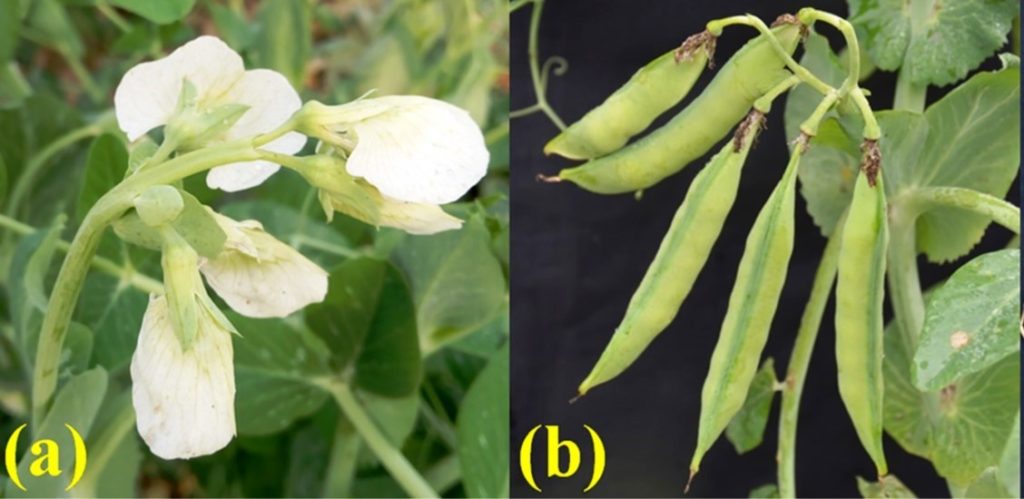
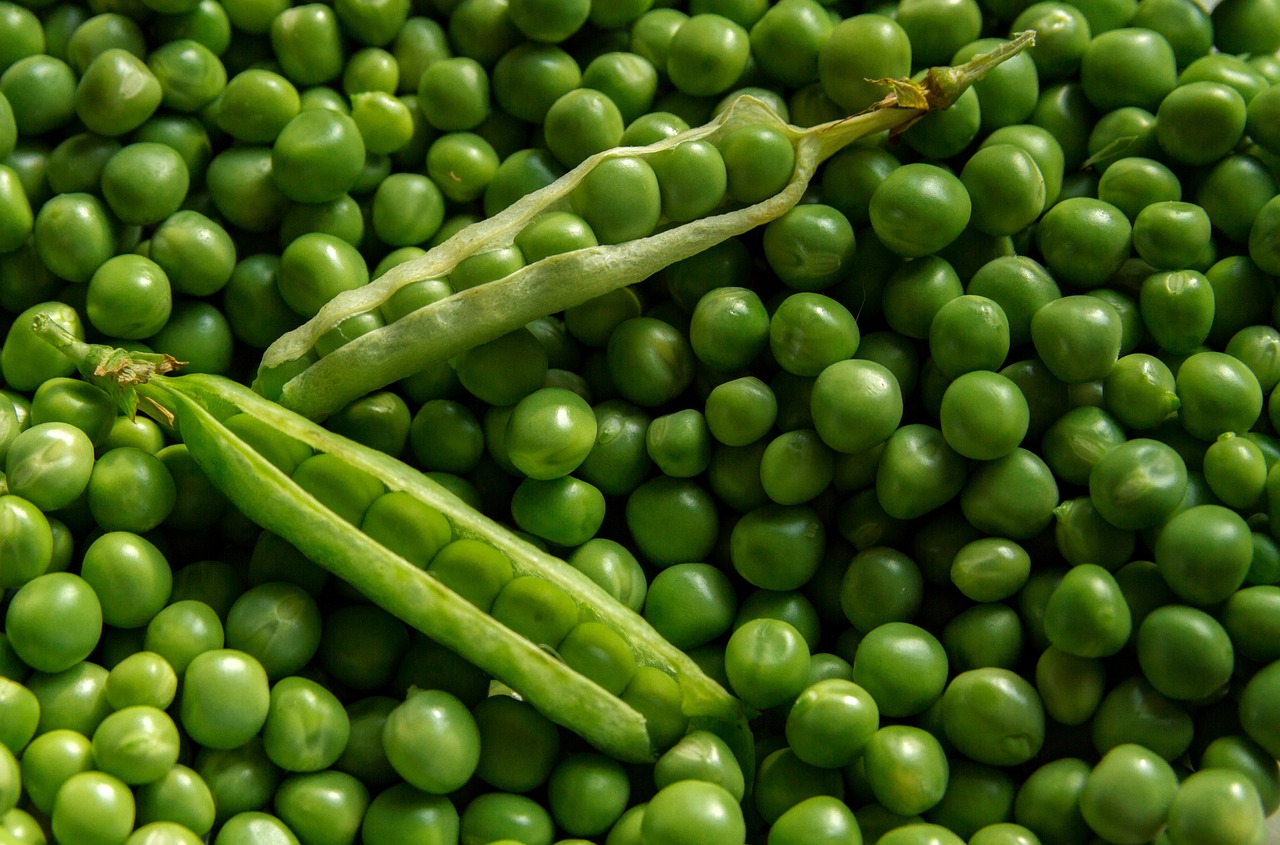
Newly synthesized variety of pea VRPM 901- 5 has five flowers and consequently five pods per stalk rather than two

Newly synthesized variety of pea VRPM 901- 5 has five flowers and consequently five pods per stalk rather than two

Naturally occurring pea varieties have one or two flowers per stalk. Researchers crossed two pea varieties – VL-8 and PC-531 – which bear two flowers per peduncle but found that after the fourth generation many of the derived plants had more than two flowers and yielded more than two pods in many of their stalks.

Five varieties derived from the cross (VRPM-501, VRPM–502, VRPM–503, VRPM–901–3 and VRPSeL–1 p) yielded three flowers on many of the stalks whereas a variety, now named VRPM–901–5 yielded up to five flowers in many of its stalk. Over half the stalks showed more than two flowers.

“Preliminary observations do indicate significant yield advantage in the multi-flowering genotypes identified in this study over single and double-flowering genotypes,” said Dr. Rakesh K Dubey, a member of the research team from the ICAR-Indian Institute of Vegetable Research, while talking to India Science Wire.

“The future line of work envisages evolving varieties that would possess the characteristic of earliness along with multi-pods per stalk. Present findings would set a platform for researchers, academicians, and industries to generate improved varieties in vegetable pea both in terms of quantity and quality,” Dubey said.

Scientists also found that multiple flowering did not always correspond to more pod yield as in certain derived variety (VRPSeL–1 p) multiple flowering was not supported by the thick stalk. Due to this flower or pod got shattered in an untimely manner restricting the realized potential.

They also observed that multiple flowering plants were always mid to late maturing and temperature had a significant effect on multiple flowering statuses of the plant.

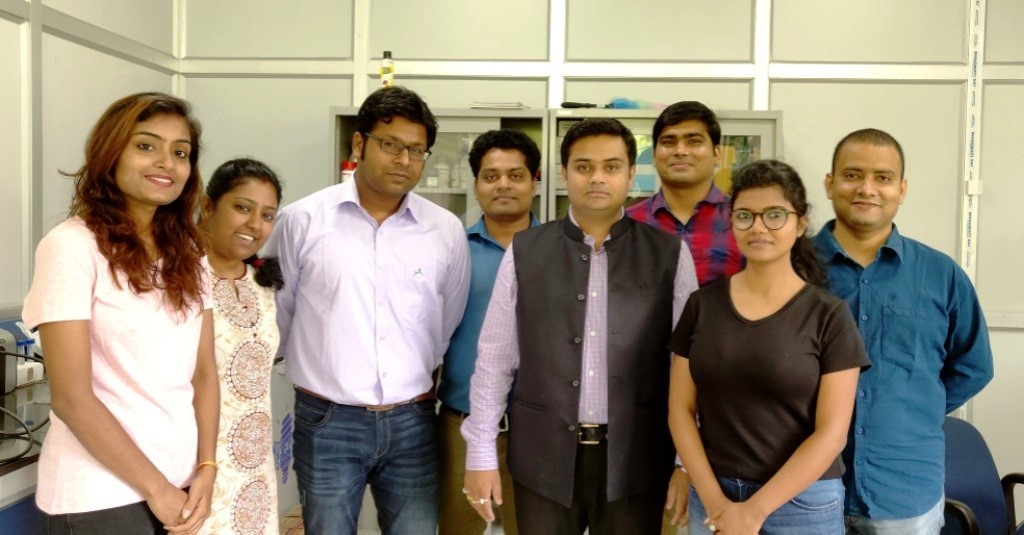
The study has been published in journal PLOS One. The research team included Jyoti Devi, Rakesh K. Dubey, Prabhakar M. Singh and Bijendra Singh (Indian Institute of Vegetable Research, Varanasi); Gyan P. Mishra (Indian Agricultural Research Institute, New Delhi); and Satish K. Sanwal (Central Soil Salinity Research Institute, Karnal. (India Science Wire)

By Dr. Aditi Jain

Journal Article

Development and characterization of penta-flowering and triple-flowering genotypes in garden pea (Pisum sativum L. var. hortense)

If you liked this article, then please subscribe to our YouTube Channel for the latest Science and Tech news. You can also find us on Twitter and Facebook

Rate

Newly synthesized variety of pea VRPM 901- 5 has five flowers and consequently five pods per stalk rather than two

Naturally occurring pea varieties have one or two flowers per stalk. Researchers crossed two pea varieties – VL-8 and PC-531 – which bear two flowers per peduncle but found that after the fourth generation many of the derived plants had more than two flowers and yielded more than two pods in many of their stalks.

Five varieties derived from the cross (VRPM-501, VRPM–502, VRPM–503, VRPM–901–3 and VRPSeL–1 p) yielded three flowers on many of the stalks whereas a variety, now named VRPM–901–5 yielded up to five flowers in many of its stalk. Over half the stalks showed more than two flowers.

“Preliminary observations do indicate significant yield advantage in the multi-flowering genotypes identified in this study over single and double-flowering genotypes,” said Dr. Rakesh K Dubey, a member of the research team from the ICAR-Indian Institute of Vegetable Research, while talking to India Science Wire.

“The future line of work envisages evolving varieties that would possess the characteristic of earliness along with multi-pods per stalk. Present findings would set a platform for researchers, academicians, and industries to generate improved varieties in vegetable pea both in terms of quantity and quality,” Dubey said.

Scientists also found that multiple flowering did not always correspond to more pod yield as in certain derived variety (VRPSeL–1 p) multiple flowering was not supported by the thick stalk. Due to this flower or pod got shattered in an untimely manner restricting the realized potential.

They also observed that multiple flowering plants were always mid to late maturing and temperature had a significant effect on multiple flowering statuses of the plant.

The study has been published in journal PLOS One. The research team included Jyoti Devi, Rakesh K. Dubey, Prabhakar M. Singh and Bijendra Singh (Indian Institute of Vegetable Research, Varanasi); Gyan P. Mishra (Indian Agricultural Research Institute, New Delhi); and Satish K. Sanwal (Central Soil Salinity Research Institute, Karnal. (India Science Wire)

By Dr. Aditi Jain

Journal Article

Development and characterization of penta-flowering and triple-flowering genotypes in garden pea (Pisum sativum L. var. hortense)

If you liked this article, then please subscribe to our YouTube Channel for the latest Science and Tech news. You can also find us on Twitter and Facebook

" }
Researchers Find Way to Cheaper Solar Energy

Researchers Find Way to Cheaper Solar Energy

Indian Institute of Technology Madras researchers have discovered a new material to effectively split water into Hydrogen and Oxygen using solar power

  • News
  • 1.6K
Read more
Europe-Origin Pathogen Poses Big Threat to Potato Crop in India

Europe-Origin Pathogen Poses Big Threat to Potato Crop in India

A rapidly evolving pathogen from Europe may spell doom for India’s potato yield, an essential staple crop that also fetches good income to millions of farmers.

  • News
  • 2.6K
Read more
Apple Line Goes Topsy-Turvy in The Himalayas

Apple Line Goes Topsy-Turvy in The Himalayas

The apple line, which refers to the traditional apple growing areas in the Indian Himalayan Region, has been shifting to higher altitudes as temperature rises

  • News
  • 2.2K
Read more

Internet is huge! Help us find great content

Newsletter

Never miss a thing! Sign up for our newsletter to stay updated.

About

Research Stash is a curated collection of tools and News for S.T.E.M researchers

Have any questions or want to partner with us? Reach us at hello@researchstash.com

Navigation

Submit