
Double Bonanza Awaits Sky Gazers Tomorrow

Double Bonanza Awaits Sky Gazers Tomorrow

  • Research Stash
  • News
  • 2.3K

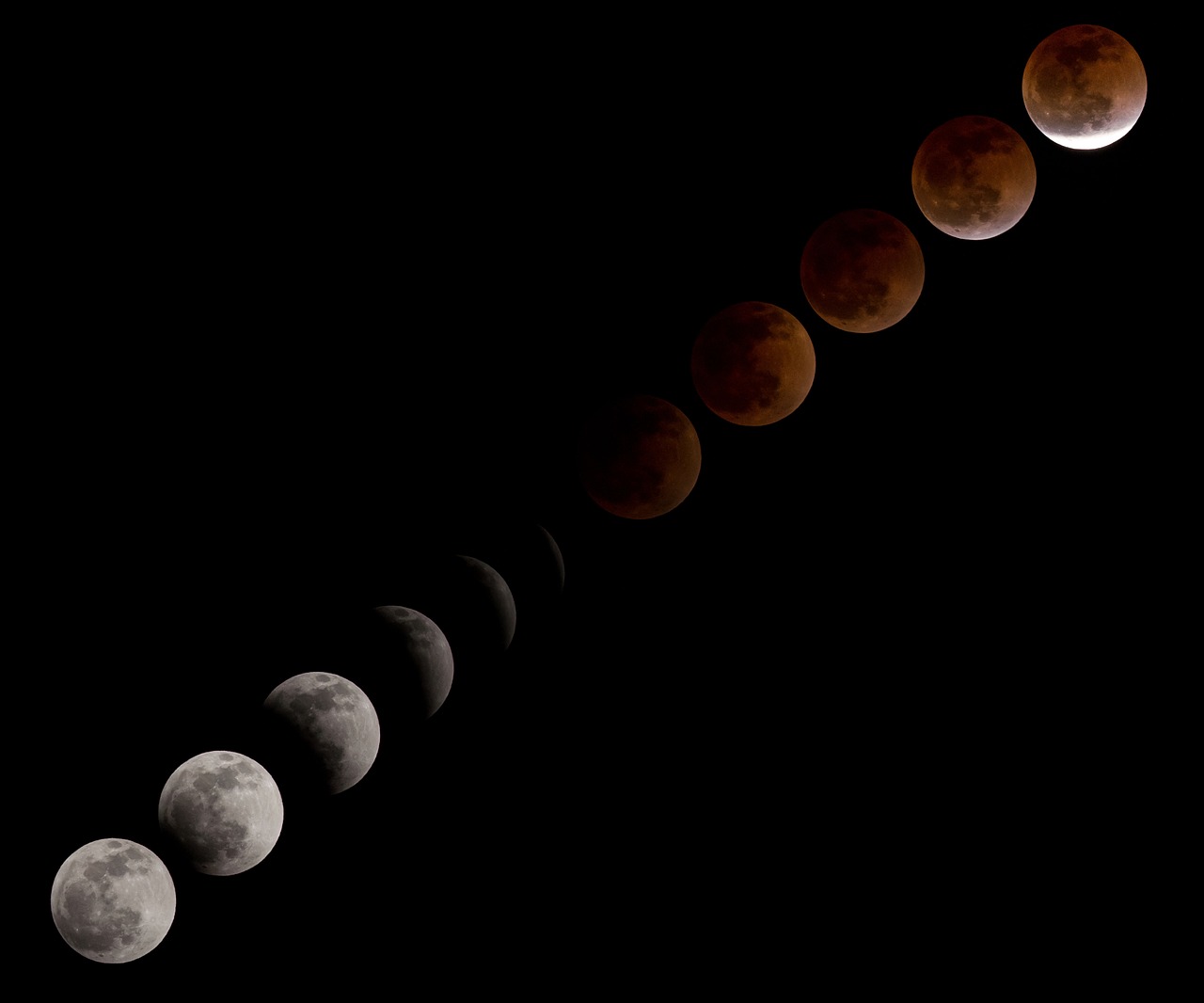
Tomorrow is going to be a double bonanza for sky gazers. Even as the world get ready for the much awaited longest total lunar eclipse of the century, they will also get to witness another relative rare celestial phenomenon.

At 10:37 PM IST sharp, five minutes before the eclipse begins with the Moon entering the penumbra region, Mars will appear brighter and bigger than usual. Called “in opposition”, the phenomenon will occur because Sun, Earth, and Mars will be almost in a straight line and with the two planets on the same side of the Sun. Mars will also be almost closest to the Earth.

The distance between Mars and the Earth ranges from about 400 million kilometers (2.7Astronomical Units, or AU) and 56 million km (0.38AU). The closest approaches occur during oppositions. This time, Mars comes closest to Earth as compared to any time in the last 15 years. As a consequence, it will also appear to be the biggest and brightest in the last 15 years.

Tomorrow night, Mars will be ‘just’ 58 million km (0.39 AU) from the Earth. In technical terms, the angular diameter of Mars as seen from the Earth will be more than 24” and it will be brighter than -2.75 magnitude. For comparison, the brightest star in the night sky, Sirius will be about 3 times fainter than Mars on that day and the average angular diameter of the moon is 1800”.

The phenomenon would offer an extraordinary opportunity to serious astronomers to study Mars through their telescopes. The telescopes will have to be equipped with a lens or mirror that is at least 6 inches in the aperture to discern even the major surface features of Mars.

For a lay person viewing the sky with a naked eye, the red planet would appear to be just a speck in the vast sky. However, it would be an exciting opportunity to view it right next to the red (eclipsed) moon. Mars can be seen roughly 6 degrees south of the eclipsed moon (for comparison, the size of the moon is 0.5 degree).  (The report being circulated in many social media sites claiming Mars will appear as big as Moon is misleading).  (India Science Wire)

By Sunderarajan Padmanabhan

If you liked this article, then please subscribe to our YouTube Channel for the latest Science and Tech news. You can also find us on Twitter and Facebook.
Rate

Tomorrow night, Mars will be ‘just’ 58 million km (0.39 AU) from the Earth. In technical terms, the angular diameter of Mars as seen from the Earth will be more than 24” and it will be brighter than -2.75 magnitude. For comparison, the brightest star in the night sky, Sirius will be about 3 times fainter than Mars on that day and the average angular diameter of the moon is 1800”.

The phenomenon would offer an extraordinary opportunity to serious astronomers to study Mars through their telescopes. The telescopes will have to be equipped with a lens or mirror that is at least 6 inches in the aperture to discern even the major surface features of Mars.

For a lay person viewing the sky with a naked eye, the red planet would appear to be just a speck in the vast sky. However, it would be an exciting opportunity to view it right next to the red (eclipsed) moon. Mars can be seen roughly 6 degrees south of the eclipsed moon (for comparison, the size of the moon is 0.5 degree).  (The report being circulated in many social media sites claiming Mars will appear as big as Moon is misleading).  (India Science Wire)

By Sunderarajan Padmanabhan

If you liked this article, then please subscribe to our YouTube Channel for the latest Science and Tech news. You can also find us on Twitter and Facebook.
" }

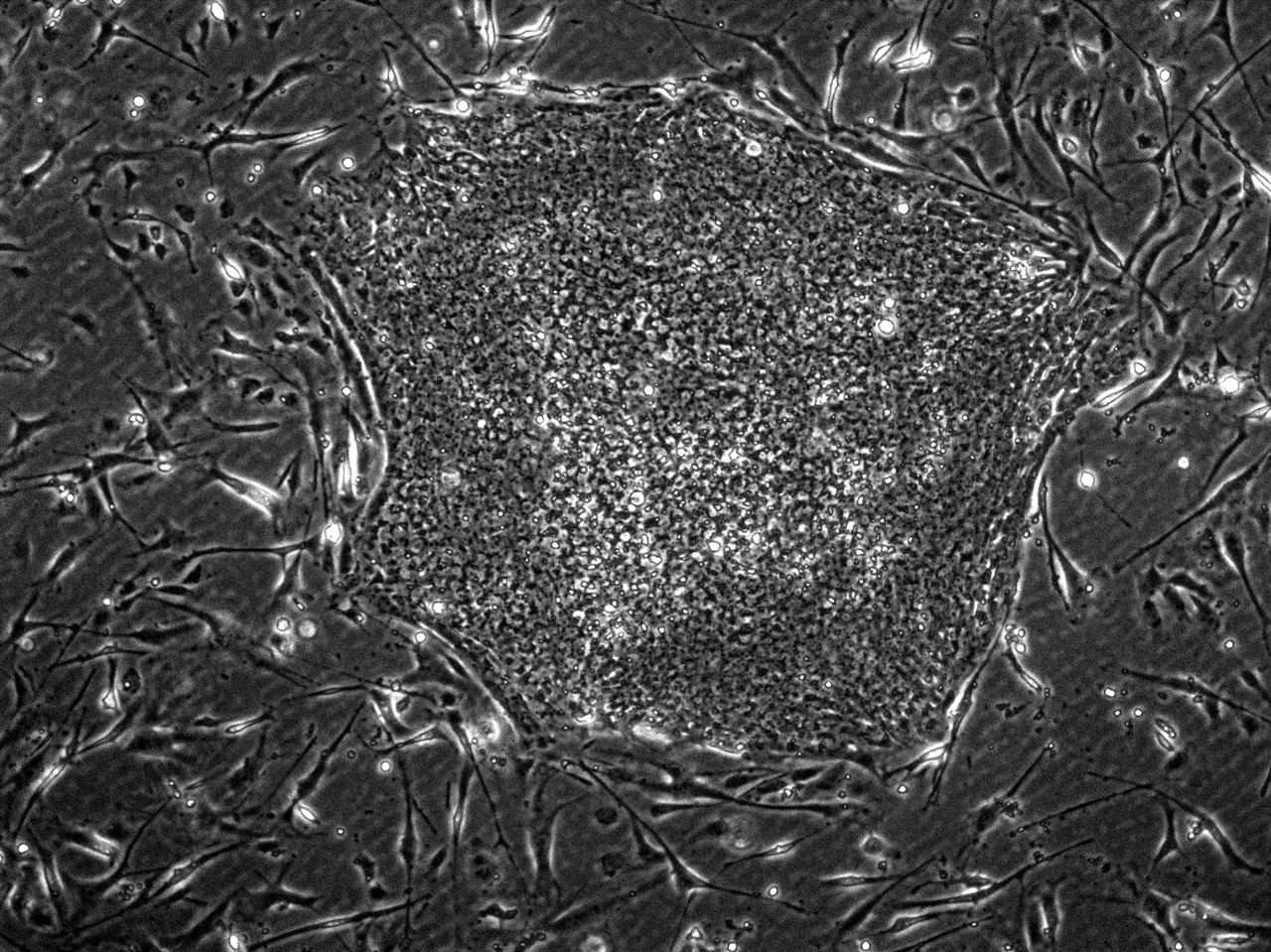
Scientists Find Genetic Switch That Decides Fate of Embryonic Stem Cells

For normal birth or physical development of animals, regulation of their size, shape, and number of organs is very critical when the embryo is developing. Researchers are trying to understand mechanisms that regulate this process.

  • News
  • 1.7K
Read more
Scientists Develop Transgenic Rice That Can Grow Under High Salinity and Drought

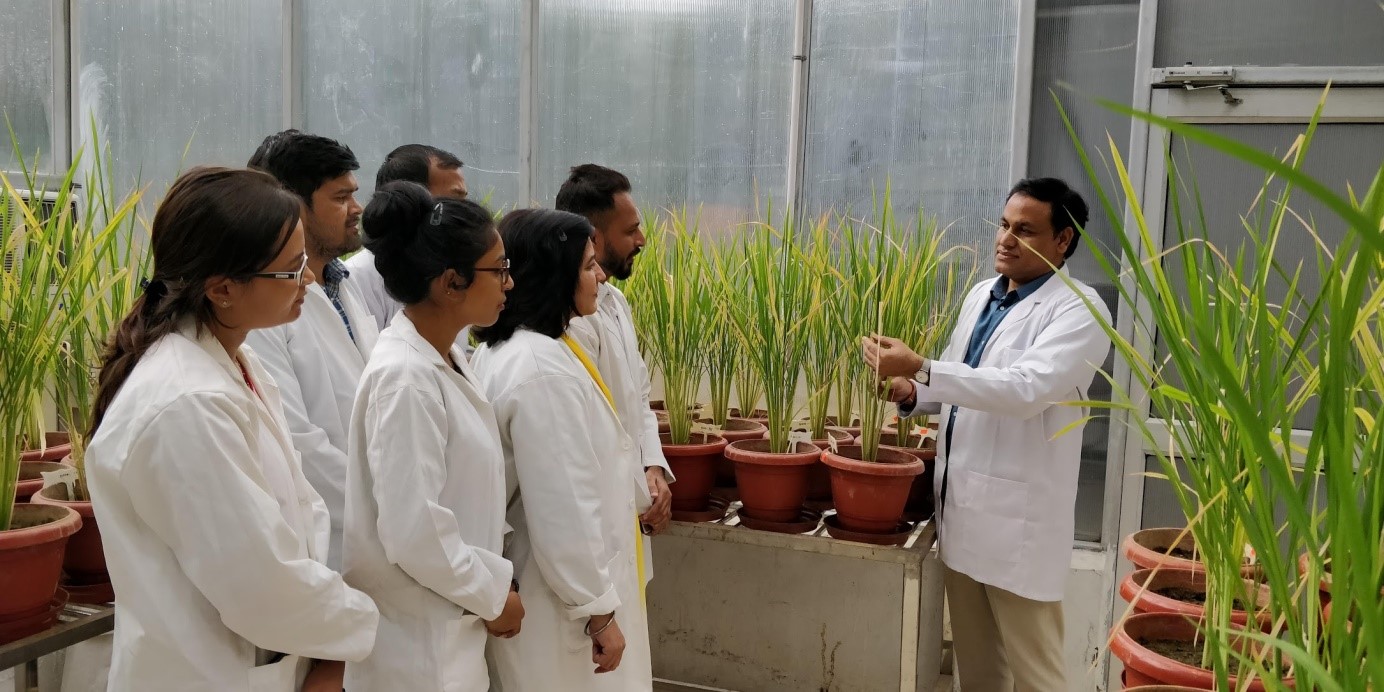
Scientists Develop Transgenic Rice That Can Grow Under High Salinity

A group of researchers from Jawaharlal Nehru University, International Centre for Genetic Engineering and Biotechnology and University of Illinois have developed transgenic rice that promises to generate high yields even under conditions of high salinity, high temperature, and drought

  • News
  • 2.4K
Read more

IIT Tech Can Help People Turn Waste into Bricks and Tiles

Imagine turning plastic waste into useful products likes tiles and bricks. Researchers at the Indian Institute of Technology, Roorkee, have developed a technology that will help people do just this.

  • News
  • 2K
Read more

Internet is huge! Help us find great content

Newsletter

Never miss a thing! Sign up for our newsletter to stay updated.

About

Research Stash is a curated collection of tools and News for S.T.E.M researchers

Have any questions or want to partner with us? Reach us at hello@researchstash.com

Navigation

Submit