Magnetic Nanoparticles Can Deliver Anticancer Drugs with Precision

Magnetic Nanoparticles Can Deliver Anticancer Drugs with Precision

  • Research Stash
  • News
  • 3.6K

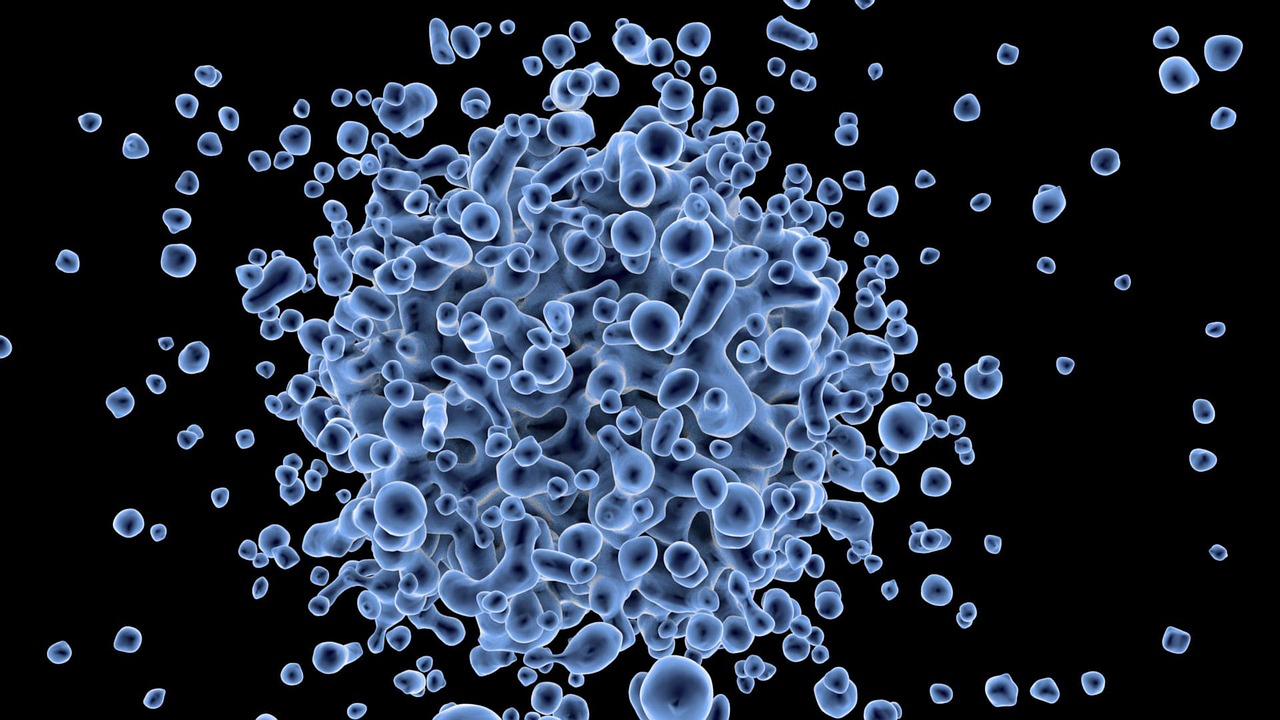
Effective delivery of anticancer drugs is a major challenge so as to avoid toxic side effects. Indian scientists have developed a new way for precise delivery of anticancer drugs using a dual-purpose magnetic metal-organic framework of nanoparticles.

A team of researchers at the Indian Institute of Technology, Guwahati, led by Prof S. Gumma and Prof M. K. Purkait has used magnetite and incorporated it into metal-organic frameworks for delivering anticancer drugs. Unlike other metals, magnetite is readily accepted by the human body and it breaks down easily. Magnetite nanoparticles are already approved for clinical practice by the U.S. Food and Drug Administration.

Subscribe to our YouTube Channel

Due to magnetic properties, nanoparticles can also be used to convert their electromagnetic energy to heat thereby destroying cancer-causing cells. Metal-organic frameworks have a large surface area and many pores that can be effectively used to control the rate and the location of drug delivery. The diameter of the pores can also be adjusted to allow only as much drug to be released as is required to destroy the cancer cells. This reduces the risk of the strong drugs killing the normal cells.

The process of accurate targeting of only cancer-causing cells requires fine tuning and that’s why magnetite-loaded metal-organic frameworks have an edge over traditional drug-delivery methods, according to the researchers. The existing drug carriers are unable to carry a large amount of medicine to cancer cells or tend to release the drug from an external surface before they can reach the cancer cells which decreases their effectiveness and efficiency.

The study, published in journal Microporous and Mesoporous Materials, analyzed various combinations of the framework with varying amounts of magnetite to determine which one was most suitable for being used a carrier for the anticancer drug, doxorubicin hydrochloride (DOX) commonly available as adriamycin, caelyx, and myocet.

According to researchers, “the drug release patterns of all composites are well-controlled and are sustained in the body for over 20 days without premature release of DOX. Thus patients may get the benefit of the medicine without making frequent visits to the doctor.” Incorporation of magnetite not only helps to tune the speed with which the drug is released into the body but the total amount of the drug released increases due to their higher loading capacity.

By Monika Kundu Srivastava

For the latest Science, Tech news and conversations, follow Research Stash on TwitterFacebook, and subscribe to our YouTube channel 

Rate

The process of accurate targeting of only cancer-causing cells requires fine tuning and that’s why magnetite-loaded metal-organic frameworks have an edge over traditional drug-delivery methods, according to the researchers. The existing drug carriers are unable to carry a large amount of medicine to cancer cells or tend to release the drug from an external surface before they can reach the cancer cells which decreases their effectiveness and efficiency.

The study, published in journal Microporous and Mesoporous Materials, analyzed various combinations of the framework with varying amounts of magnetite to determine which one was most suitable for being used a carrier for the anticancer drug, doxorubicin hydrochloride (DOX) commonly available as adriamycin, caelyx, and myocet.

According to researchers, “the drug release patterns of all composites are well-controlled and are sustained in the body for over 20 days without premature release of DOX. Thus patients may get the benefit of the medicine without making frequent visits to the doctor.” Incorporation of magnetite not only helps to tune the speed with which the drug is released into the body but the total amount of the drug released increases due to their higher loading capacity.

By Monika Kundu Srivastava

For the latest Science, Tech news and conversations, follow Research Stash on TwitterFacebook, and subscribe to our YouTube channel 

" }
Redefine R&D as Research for Development: PM Narendra Modi

Redefine R&D as Research for Development: PM Narendra Modi

The 105th session of the Indian Science Congress began in the capital of Manipur with Prime Minister Narendra Modi calling upon scientists to work for solving societal problems. Time has come, he said, to redefine Research and Development (R&D) as ‘research for development’.

  • News
  • 1.9K
Read more
CSIR-CMERI Transfers COVID Related Technologies for Commercial Production

CSIR-CMERI Transfers COVID Related Technologies for Commercial Production

In a recent initiative, CSIR-Central Mechanical Engineering Research Institute Durgapur has transferred its COVID-related technologies to Sai Enviro Engineers Pvt Ltd, Zen Medical Technologies Pvt Ltd, and Trinity Microsystems Pvt Ltd

  • News
  • 1.9K
Read more
Researchers in the field

This Is How Drug Resistance Spreads in Urban Environment

Chemical residues released from pharmaceutical and personal care products are not only becoming a major contaminant of water bodies in urban areas but are also becoming a source of drug resistance in the environment, a new study has warned

  • News
  • 1.8K
Read more

Internet is huge! Help us find great content

Newsletter

Never miss a thing! Sign up for our newsletter to stay updated.

About

Research Stash is a curated collection of tools and News for S.T.E.M researchers

Have any questions or want to partner with us? Reach us at hello@researchstash.com

Navigation

Submit