

Genome Information to Help Precise and Personalized Healthcare

Genome Information to Help Precise and Personalized Healthcare

  • Research Stash
  • News
  • 1.4K

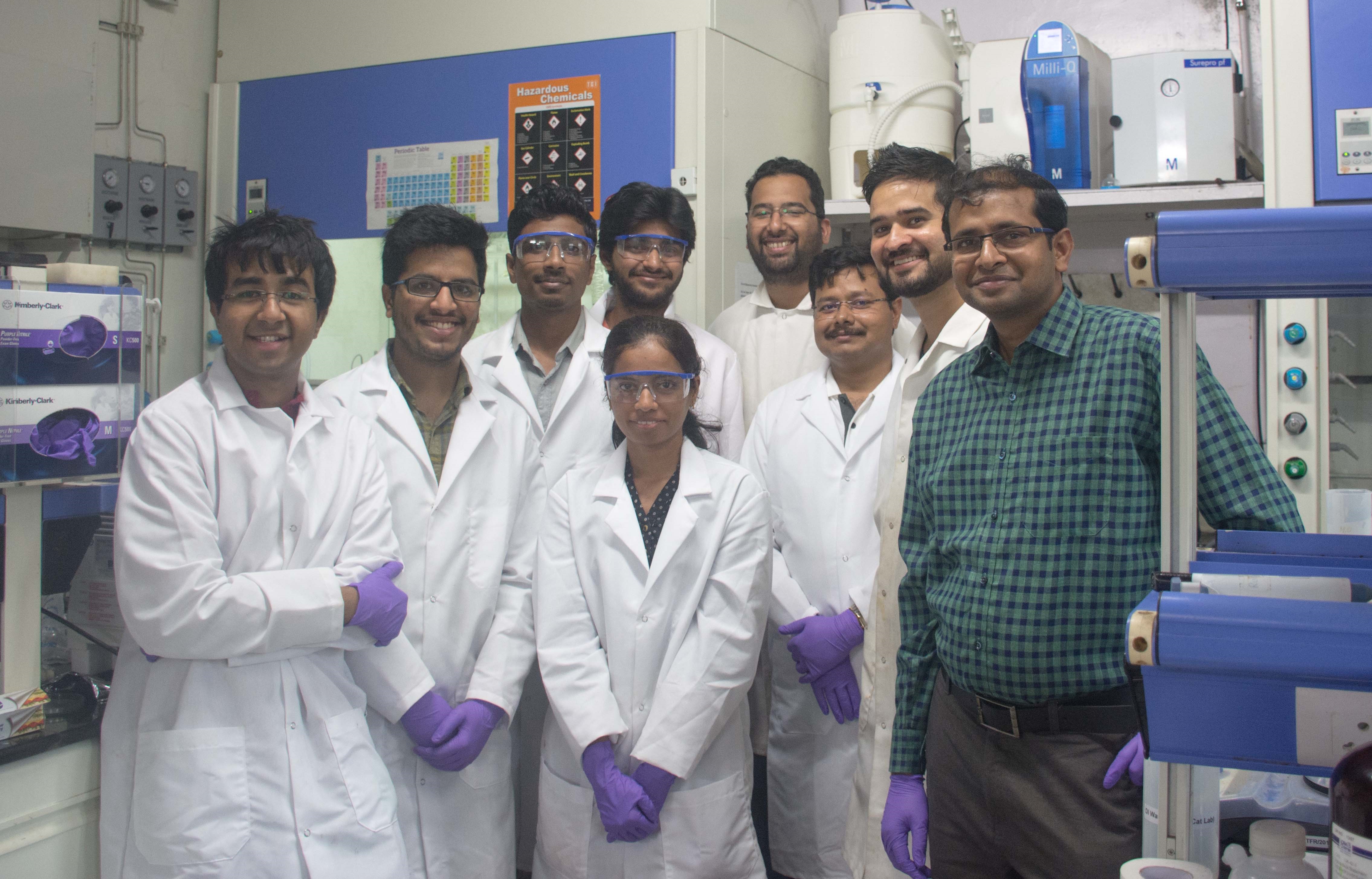
Researchers from India and the USA, who are working towards understanding the genetic basis of diseases among various ethnic populations from different parts of the world, participated in a workshop organized by CSIR-Centre for Cellular and Molecular Biology (CCMB), Hyderabad.

The workshop focussed on understanding genome information in a better way. Improved information on the genome can help fine-tune genome-assisted healthcare, and could even lead to precise, personalized, more effective and economical approaches to healthcare.

The three-day workshop, which started on January 16, is being attended by around 200 researchers, many of whom are promising Ph.D. scholars from research institutes, universities, hospitals, and life science companies in India and the USA. This workshop is arranged by the Indo-US Science and Technology Forum, supported by the Department of Science and Technology, India, and the Department of State, USA, with an aim to create fruitful collaborations between the two countries.

Director CCMB, Dr. Rakesh K Mishra says, “Variation in our population and differential susceptibility to diseases and response to treatment methods have been known. With genome information, we can now think of precision and personalized approach for more effective and economical approaches to healthcare. This meeting brings experts from India and the US to discuss the latest findings. This is likely to help us fine-tune our way forward towards genome-assisted healthcare.”

These researchers believe that one size doesn’t fit all – especially in healthcare. Much of it depends on the genetic make-up and the surroundings, which modify the genes of a person – what is called epigenetics. As genetics of populations in different parts of the world differs from each other, there is immense interest among researchers and governments to look at genetic details of many non-communicable diseases.

Researchers are deliberating on the genetic and epigenetic basis of different forms of cancer, diabetes, heart and neurological diseases in South Asia and the US. It will also have focused discussions on the promise of personalized medicine, and advancements in technologies to make it possible. Dr. Thangaraj from CCMB and Dr. Keshav Singh from the University of Alabama, Birmingham – the convenors of the meeting from the two countries – mention that most of the data that we have today is based on European populations. For the field of personalized medicine to progress, it is imperative for us to understand population-specific genetics.

Nitish K Singh

If you liked this article, then please subscribe to our YouTube Channel for the latest Science & Tech news. You can also find us on Twitter & Facebook.
Director CCMB, Dr. Rakesh K Mishra says, “Variation in our population and differential susceptibility to diseases and response to treatment methods have been known. With genome information, we can now think of precision and personalized approach for more effective and economical approaches to healthcare. This meeting brings experts from India and the US to discuss the latest findings. This is likely to help us fine-tune our way forward towards genome-assisted healthcare.”

These researchers believe that one size doesn’t fit all – especially in healthcare. Much of it depends on the genetic make-up and the surroundings, which modify the genes of a person – what is called epigenetics. As genetics of populations in different parts of the world differs from each other, there is immense interest among researchers and governments to look at genetic details of many non-communicable diseases.

Researchers are deliberating on the genetic and epigenetic basis of different forms of cancer, diabetes, heart and neurological diseases in South Asia and the US. It will also have focused discussions on the promise of personalized medicine, and advancements in technologies to make it possible. Dr. Thangaraj from CCMB and Dr. Keshav Singh from the University of Alabama, Birmingham – the convenors of the meeting from the two countries – mention that most of the data that we have today is based on European populations. For the field of personalized medicine to progress, it is imperative for us to understand population-specific genetics.

Nitish K Singh

If you liked this article, then please subscribe to our YouTube Channel for the latest Science & Tech news. You can also find us on Twitter & Facebook.

" }
Apple Line Goes Topsy-Turvy in The Himalayas

Apple Line Goes Topsy-Turvy in The Himalayas

The apple line, which refers to the traditional apple growing areas in the Indian Himalayan Region, has been shifting to higher altitudes as temperature rises

  • News
  • 2.4K
Read more
Scientists Uncover A New Approach to Inhibit Zika Virus Replication

Scientists Uncover A New Approach to Inhibit Zika Virus Replication

Efforts to find an effective treatment for the Zika virus could get a boost with researchers at the Indian Institute of Technology Indore identifying some structures in the genetic makeup of the virus that could be used as targets for drugs.

  • News
  • 2.1K
Read more
Better Education Can Help Reduce Risk of Hypertension & Diabetes

Better Education Can Help Reduce Risk of Hypertension & Diabetes

Hypertension and diabetes are emerging as major health challenge not just in cities but in rural areas as well, and particularly among women. A new study says improved education, standardization of testing as well as follow up of hypertension and diabetes after childbirth are needed in Indian rural areas

  • News
  • 1.3K
Read more

Internet is huge! Help us find great content

Newsletter

Never miss a thing! Sign up for our newsletter to stay updated.

About

Research Stash is a curated collection of tools and News for S.T.E.M researchers

Have any questions or want to partner with us? Reach us at [email protected]

Navigation

Submit