New Method Developed to Measure Soil Erosion

New Method Developed to Measure Soil Erosion

  • Research Stash
  • News
  • 1.7K

Soil erosion, which involves disaggregation and displacement of soil, leads to a decrease in its organic content and eventually its fertility. Scientists have now developed a method to measure the rate of soil erosion and associated decrease in organic content in soil by assessing levels of radioactive cesium in soil. This method can help in monitoring the effects of soil erosion and the effectiveness of soil conservation strategies.

Soil supports plants, insects and microbial life and is formed by natural forces over a long period of time. Carbon reaches soil through the microbial action on withering plant parts and remains in the soil, changing its physiochemical properties and also enhancing its fertility. This way soil also sequesters carbon helping in regulating carbon levels in the atmosphere.

Natural and human activities are contributing to soil erosion and posing problems for both food production and climate change. Therefore, monitoring of soil erosion induced-carbon loss from the soil is important.

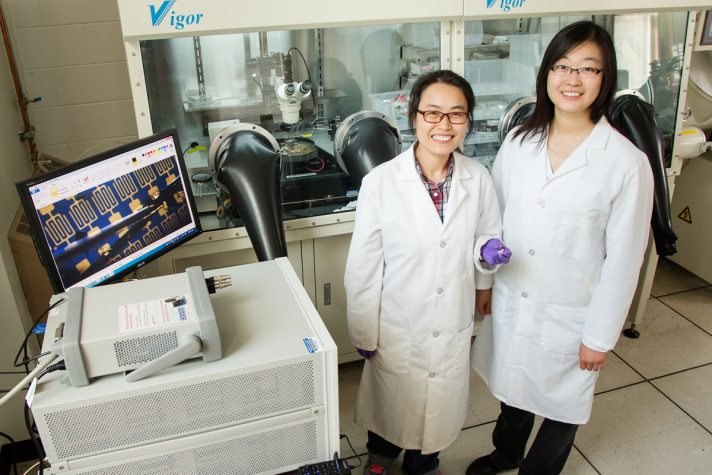
Researchers at the ICAR-Indian Institute of Soil and Water Conservation, Dehradun have come up with a way to monitor soil erosion and decrease in carbon content in soil by correlating it with levels of radioactive cesium in soil.

“Radioactive cesium technology is a more rapid and less expensive method for soil erosion studies in the severely intensive croplands, it gives more accurate results for all types of erosion studies including historic, comparative and long-term soil and soil organic carbon erosion,” pointed out Dr. Debashis Mandal, leader of the study team, while talking to India Science Wire.

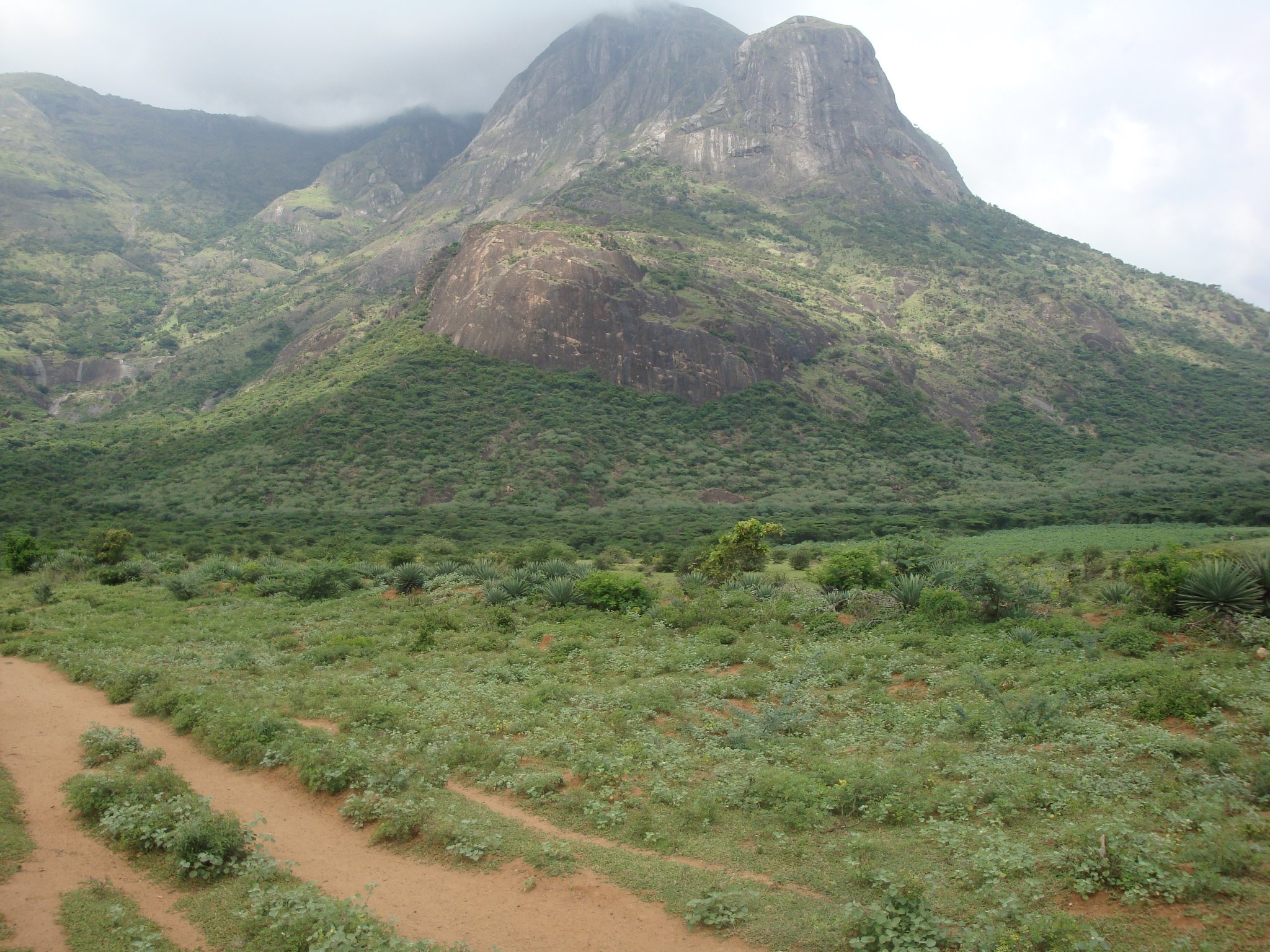
Earlier studies had shown that carbon concentration in soil correlates with levels of an isotope of cesium, information which scientists have utilized to study the extent of soil erosion in Doon valley of Northwestern Himalayas. Doon valley was chosen as it has both eroded and undisturbed sites for study at a considerable distance from each other.

In all, samples were collected from 16 eroded sites apart from undisturbed land to study their physical and chemical properties. For measuring cesium levels in soil, gamma spectroscopy technique was used. Different sites were found to have varying levels of cesium pointing at different degrees of soil degradation in different sites.

By applying various formulas, the cesium loss was then used to calculate erosion and associated carbon loss in soil. The rate of soil erosion in sites ranged from approximately 8 megagrams per hectare per year in slightly eroded site to 31 megagrams per hectare per year in the severely eroded site. The results obtained similar rates of soil corrosion in sites through conventional techniques.

“For further validation on the use of cesium, a large database is needed in different landscapes and land uses so that the potential of carbon sequestration of different lands can also be measured,” said Dr. Nishita Giri, a member of the research team.

The research team also included Pankaj Srivastava (Indian Institute of Soil and Water Conservation), Chinmay Sah and Ravi Bhusan (Physical Research Laboratory, Ahmedabad), Karunakara Naregundi and M. P. Mohan (Mangalore University) and Manoj Shrivastava (Indian Agricultural Research Institute). The results of the study have been published in the journal Current Science. (ISW)

Dr. Aditi Jain

If you liked this article, then please subscribe to our YouTube Channel for the latest Science & Tech news. You can also find us on Twitter & Facebook.
Rate

Researchers at the ICAR-Indian Institute of Soil and Water Conservation, Dehradun have come up with a way to monitor soil erosion and decrease in carbon content in soil by correlating it with levels of radioactive cesium in soil.

“Radioactive cesium technology is a more rapid and less expensive method for soil erosion studies in the severely intensive croplands, it gives more accurate results for all types of erosion studies including historic, comparative and long-term soil and soil organic carbon erosion,” pointed out Dr. Debashis Mandal, leader of the study team, while talking to India Science Wire.

Earlier studies had shown that carbon concentration in soil correlates with levels of an isotope of cesium, information which scientists have utilized to study the extent of soil erosion in Doon valley of Northwestern Himalayas. Doon valley was chosen as it has both eroded and undisturbed sites for study at a considerable distance from each other.

In all, samples were collected from 16 eroded sites apart from undisturbed land to study their physical and chemical properties. For measuring cesium levels in soil, gamma spectroscopy technique was used. Different sites were found to have varying levels of cesium pointing at different degrees of soil degradation in different sites.

By applying various formulas, the cesium loss was then used to calculate erosion and associated carbon loss in soil. The rate of soil erosion in sites ranged from approximately 8 megagrams per hectare per year in slightly eroded site to 31 megagrams per hectare per year in the severely eroded site. The results obtained similar rates of soil corrosion in sites through conventional techniques.

“For further validation on the use of cesium, a large database is needed in different landscapes and land uses so that the potential of carbon sequestration of different lands can also be measured,” said Dr. Nishita Giri, a member of the research team.

The research team also included Pankaj Srivastava (Indian Institute of Soil and Water Conservation), Chinmay Sah and Ravi Bhusan (Physical Research Laboratory, Ahmedabad), Karunakara Naregundi and M. P. Mohan (Mangalore University) and Manoj Shrivastava (Indian Agricultural Research Institute). The results of the study have been published in the journal Current Science. (ISW)

Dr. Aditi Jain

If you liked this article, then please subscribe to our YouTube Channel for the latest Science & Tech news. You can also find us on Twitter & Facebook.

" }
Researchers Develop ‘Hyperelastic Model’ To Understand Brain Injuries

Researchers Develop ‘Hyperelastic Model’ To Understand Brain Injuries

Indian Institute of Technology Madras researchers developed an analysis-driven ‘hyperelastic’ model in calculating the stress and strain experienced by the brain due to blunt force injury and lesion growth

  • News
  • 2K
Read more
A Blueprint to Develop A Rapid qRT-PCR kit To Detect SARS-CoV-2

A Blueprint to Develop A Rapid qRT-PCR kit To Detect SARS-CoV-2

Researchers at the Advanced Centre for Treatment, Research, and Education in Cancer have published a report in the Cell Press journal ‘Heliyon’ in which they present a Rapid qRT-PCR kit To Detect SARS-CoV-2

  • News
  • 1.9K
Read more
New IPCC Report Warns of Marine Heat Waves, Extremely Severe Cyclones

New IPCC Report Warns of Marine Heat Waves, Extremely Severe Cyclones

The Intergovernmental Panel on Climate Change (IPCC) on Wednesday released a Special Report on Oceans and Cryosphere in a Changing Climate. It is the first such report exclusively addressing the impacts of a warming world on the oceans, and cryosphere—the parts of the earth covered by glaciers, sea ice, and permafrost

  • News
  • 1.9K
Read more

Internet is huge! Help us find great content

Newsletter

Never miss a thing! Sign up for our newsletter to stay updated.

About

Research Stash is a curated collection of tools and News for S.T.E.M researchers

Have any questions or want to partner with us? Reach us at hello@researchstash.com

Navigation

Submit