
Infant MRIs show autism linked to increased cerebrospinal fluid

  • Research Stash
  • News
  • 2.2K

MRIs show a brain anomaly in nearly 70 percent of babies at high risk of developing the condition who go on to be diagnosed, laying the groundwork for a predictive aid for pediatricians and the search for a potential treatment.
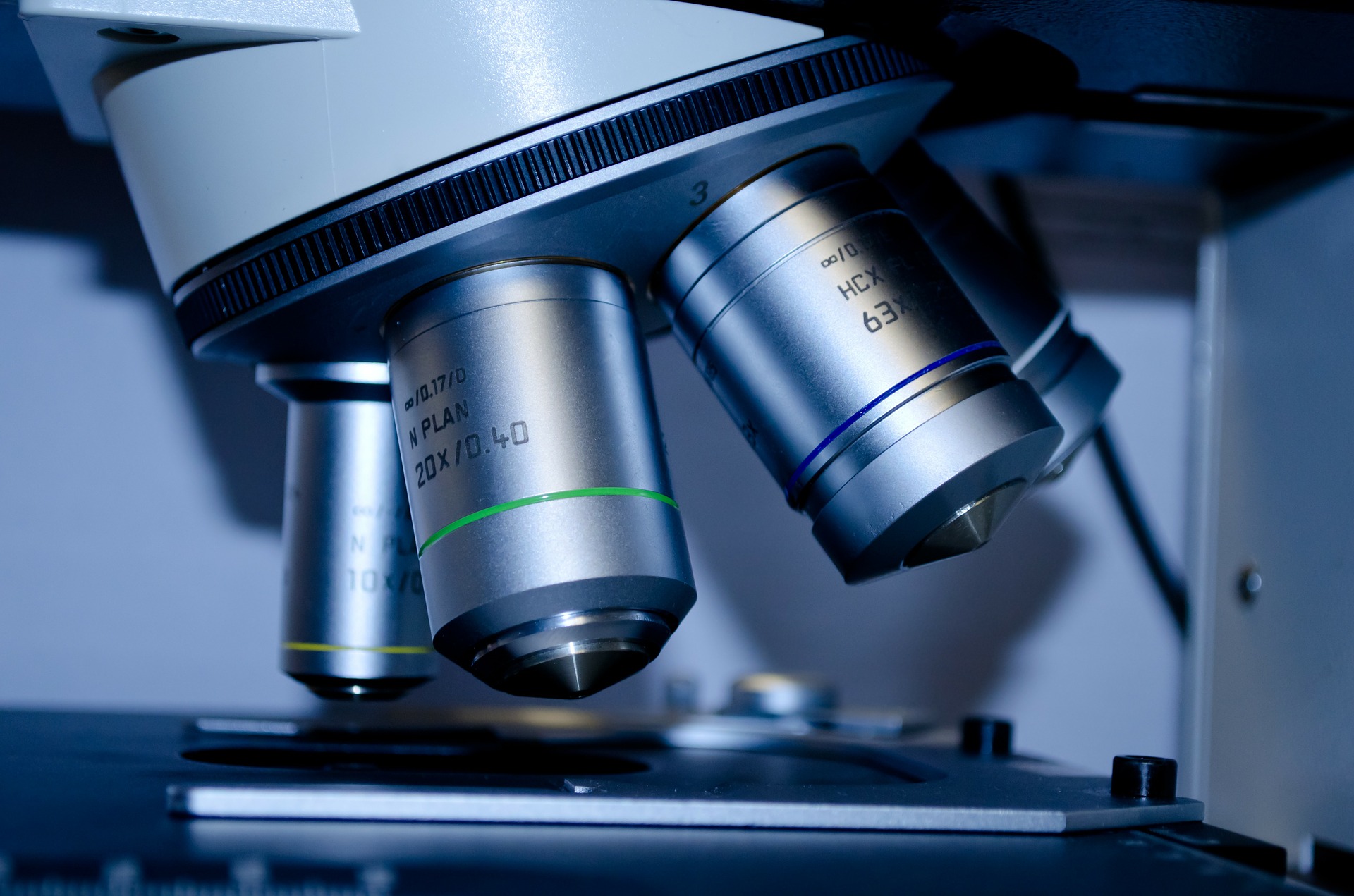
microscope-275984_1920 (1)
Image: Pixabay


Autism is generally diagnosed in children once they start missing developmental milestones or begin displaying behavioral symptoms of the condition. This happens as young as two or three years of age, according to UC Davis MIND Institute Director David G. Amaral. There are currently no predictive biological markers for early infant age diagnosis.

Dr. Mark Shen published a study he co-authored with Dr. David Amaral at UC Davis in the same journal in 2013 where in simple MRI scans were compared over time in a sample of 55 infants, where in 10 later developed autism pointed to a substantially greater amount of cerebrospinal fluid (CSF) in the brain scans of the infants that later were diagnosed as autistic. This study sample was still too small for the results to be conclusive.

CSF, thought previously to have no necessary role in the healthy development of the brain until the last decade until it was discovered that it served as a filtration system for byproducts of the brain as brain cells work to communicate with each other. These byproducts include inflammatory proteins; these are filtered out daily up to four times a day.

After joining UNC School of Medicine’s Carolina Institute for Developmental Disabilities teaming up with Director of the Institute of the University and Thomas E. Castelloe Distinguished Professor of Psychiatry, MD Joseph Piven, they co-authored a study and published the of research conducted through the use of a national research network and later published it in the Biological Psychiatry. In this study, the sample included 343 babies, 221 of which had older siblings with autism making it more likely that they might develop it too. Of these 221, 47 were diagnosed with autism at 2 years of age and had their brain MRI scans compared to those of other children of the same age without the condition.

Overall their results yielded that at 6 months, those infants with 18% more CSF than those who did not develop autism and the amount remained greater through to the age of 2 years. Furthermore, those babies who developed the most severe autistic symptoms had CSF levels of 24% greater at six months and were associated with poorer gross motor skills, than those of their age with average volumes of extra-axial CSF. Even with these results, Piven emphasizes that they do not prove that CSF flow is a cause for autism, nor is it a perfect indicator and that CSF may be contributing to the symptoms of autism, but the presence of extra-axial CSF does show that it is not draining properly.

The full-length research article can be found here http://bit.ly/2pLuYRV

Source: MOST
Rate

Dr. Mark Shen published a study he co-authored with Dr. David Amaral at UC Davis in the same journal in 2013 where in simple MRI scans were compared over time in a sample of 55 infants, where in 10 later developed autism pointed to a substantially greater amount of cerebrospinal fluid (CSF) in the brain scans of the infants that later were diagnosed as autistic. This study sample was still too small for the results to be conclusive.

CSF, thought previously to have no necessary role in the healthy development of the brain until the last decade until it was discovered that it served as a filtration system for byproducts of the brain as brain cells work to communicate with each other. These byproducts include inflammatory proteins; these are filtered out daily up to four times a day.

After joining UNC School of Medicine’s Carolina Institute for Developmental Disabilities teaming up with Director of the Institute of the University and Thomas E. Castelloe Distinguished Professor of Psychiatry, MD Joseph Piven, they co-authored a study and published the of research conducted through the use of a national research network and later published it in the Biological Psychiatry. In this study, the sample included 343 babies, 221 of which had older siblings with autism making it more likely that they might develop it too. Of these 221, 47 were diagnosed with autism at 2 years of age and had their brain MRI scans compared to those of other children of the same age without the condition.

Overall their results yielded that at 6 months, those infants with 18% more CSF than those who did not develop autism and the amount remained greater through to the age of 2 years. Furthermore, those babies who developed the most severe autistic symptoms had CSF levels of 24% greater at six months and were associated with poorer gross motor skills, than those of their age with average volumes of extra-axial CSF. Even with these results, Piven emphasizes that they do not prove that CSF flow is a cause for autism, nor is it a perfect indicator and that CSF may be contributing to the symptoms of autism, but the presence of extra-axial CSF does show that it is not draining properly.

The full-length research article can be found here http://bit.ly/2pLuYRV

Source: MOST

" }
Harnessing Science, Technology and Innovation for Societal Benefits

Harnessing Science, Technology and Innovation for Societal Benefits

Director-General of Council of Scientific and Industrial Research, Dr. Shekhar C. Mande, has urged for greater collaboration between society, on one hand, and the scientific community on the other to ensure that there was proper promotion of scientific endeavors and effective utilization of the fruits of science, technology, and innovation for the welfare of the people

  • News
  • 1.6K
Read more
A Glimpse of India’s Scientific Prowess Buried for Posterity in Time Capsule

A Glimpse of India’s Scientific Prowess Buried for Posterity in Time Capsule

The 106th session India Science Congress underway here had a unique moment today when a time capsule containing 100 items representing India’s scientific prowess

  • News
  • 2K
Read more
Researchers Study Egg-Laying Behavior Of Wasps for Designing Specific Pest Control Measures

Researchers Study Egg-Laying Behavior Of Wasps for Designing Specific Pest Control Measures

A new study conducted by researchers will help understand the egg-laying behaviour of certain pests and therefore help in designing specific control measures

  • News
  • 1.6K
Read more

Internet is huge! Help us find great content

Newsletter

Never miss a thing! Sign up for our newsletter to stay updated.

About

Research Stash is a curated collection of tools and News for S.T.E.M researchers

Have any questions or want to partner with us? Reach us at hello@researchstash.com

Navigation

Submit