
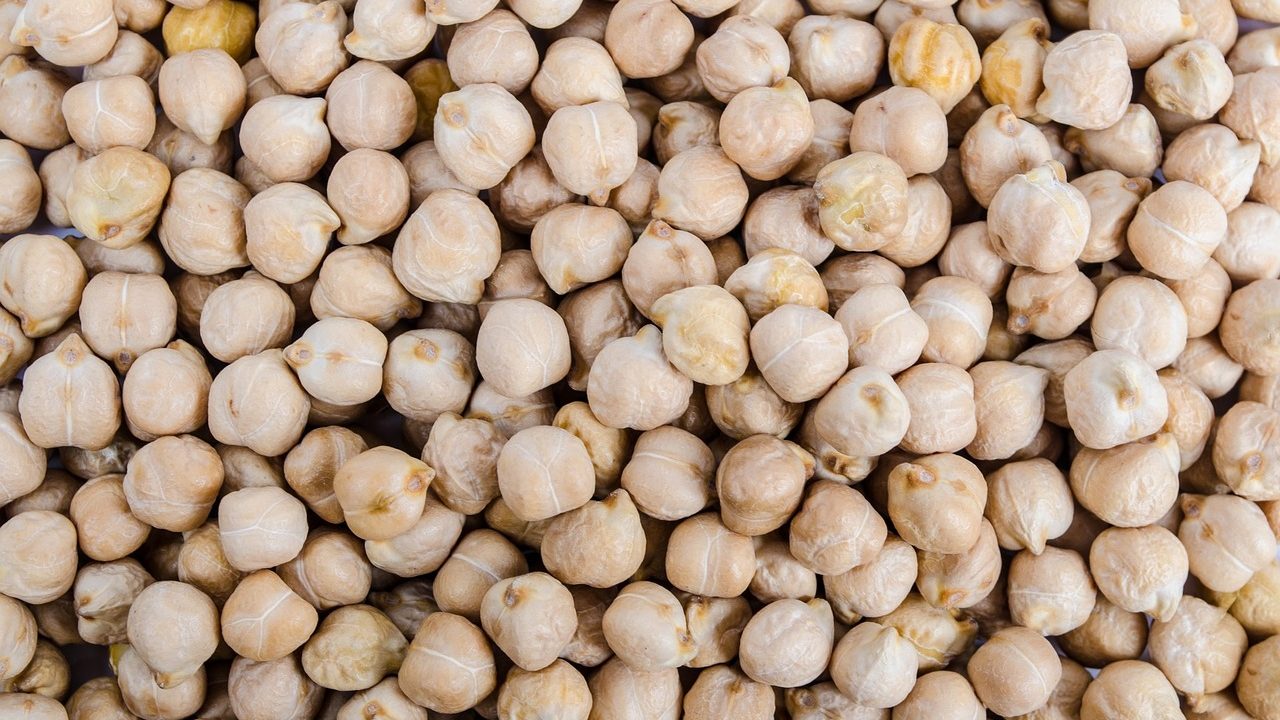
Scientists Complete Genetic Sequencing of Chickpea

  • Research Stash
  • News
  • 2.2K

After three years of rigorous research, a team of scientists from International Crops Research Institute for the Semi-Arid Tropics (ICRISAT) here and 21 research institutions across the world has successfully completed the sequencing of 429 chickpea lines from 45 countries.
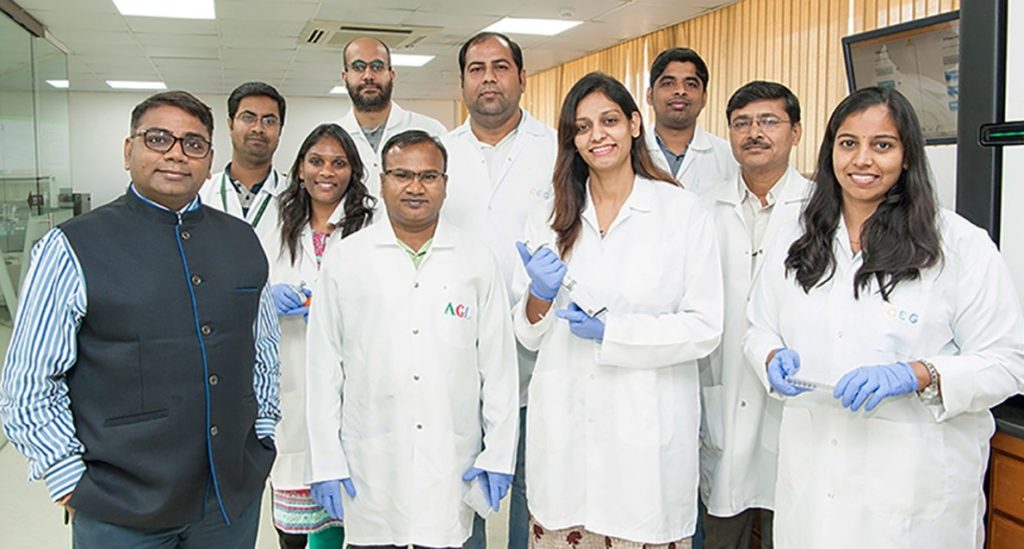
Team of researchers at ICRISAT

The new development assumes importance as chickpea is an important crop with high nutrient value and there is a need to generate new varieties with better traits including heat, drought, pests and disease resistance, besides higher yield and productivity particularly in the context of the growing global population and threats posed by climate change.

The genome-wide association studies have identified several candidate genes for 13 agronomic traits. For example, “we could identify genes, which can help the crop tolerate temperatures up to 38 degrees Celsius and provide higher productivity,” said project leader Dr. Rajeev Varshney.

The study lays the foundation for large-scale characterization of the germplasm, population genetics and crop breeding of chickpea and helps understand domestication and post-domestication divergence of chickpea.

“The new knowledge from the sequencing will enable breeders to enhance the use of diverse germplasm and candidate genes in developing improved climate-change ready varieties that will contribute significantly to increase in productivity and sustainability of agricultural development in developing countries,” said ICRISAT Director General, Dr. Peter Carberry.

Among the research institutions that participated in the study are Indian Agricultural Research Institute, Indian Institute of Pulses Research, Osmania University and University of Agricultural Sciences, Bengaluru. BGI Research, a Chinese genome sequencing company was also involved in the project.  The study results have been published in journal Nature Genetics.  (India Science Wire)

By Chand Ahmed

If you liked this article, then please subscribe to our YouTube Channel for the latest Science & Tech news. You can also find us on Twitter & Facebook.

Rate

The study lays the foundation for large-scale characterization of the germplasm, population genetics and crop breeding of chickpea and helps understand domestication and post-domestication divergence of chickpea.

“The new knowledge from the sequencing will enable breeders to enhance the use of diverse germplasm and candidate genes in developing improved climate-change ready varieties that will contribute significantly to increase in productivity and sustainability of agricultural development in developing countries,” said ICRISAT Director General, Dr. Peter Carberry.

Among the research institutions that participated in the study are Indian Agricultural Research Institute, Indian Institute of Pulses Research, Osmania University and University of Agricultural Sciences, Bengaluru. BGI Research, a Chinese genome sequencing company was also involved in the project.  The study results have been published in journal Nature Genetics.  (India Science Wire)

By Chand Ahmed

If you liked this article, then please subscribe to our YouTube Channel for the latest Science & Tech news. You can also find us on Twitter & Facebook.
" }
New Absorbent May Make Diapers Eco-Friendly

New Absorbent May Make Diapers Eco-Friendly

scientists from the Department of Chemistry at Indian Institute of Technology, Madras have developed a biodegradable superabsorbent polymer using chitosan (a kind of sugar extracted from seafood waste), citric acid and urea. This superabsorbent has the capacity – it can absorb 1250 gm of water for each gram of the polymer

  • News
  • 3.4K
Read more
Edible Plant-Based Ink for Safe Screen-Printing Applications

Edible Plant-Based Ink for Safe Screen-Printing Applications

Researchers have developed a plant-based edible ink having all the ingredients that can be safely used for a wide range of printing and packaging applications

  • News
  • 3.3K
Read more

Severe and Mixed Malaria Infections Posing New Challenges

A new study has confirmed a drastic shift in malaria occurrence in India. There is an increase in the number of severe infections instead of a mild form of malaria experienced earlier.

  • News
  • 2.1K
Read more

Internet is huge! Help us find great content

Newsletter

Never miss a thing! Sign up for our newsletter to stay updated.

About

Research Stash is a curated collection of tools and News for S.T.E.M researchers

Have any questions or want to partner with us? Reach us at hello@researchstash.com

Navigation

Submit