Study Flags Problems in Availability and Prices of Anti-Cancer Drugs

Study Flags Problems in Availability and Prices of Anti-Cancer Drugs

  • Research Stash
  • News
  • 1.9K

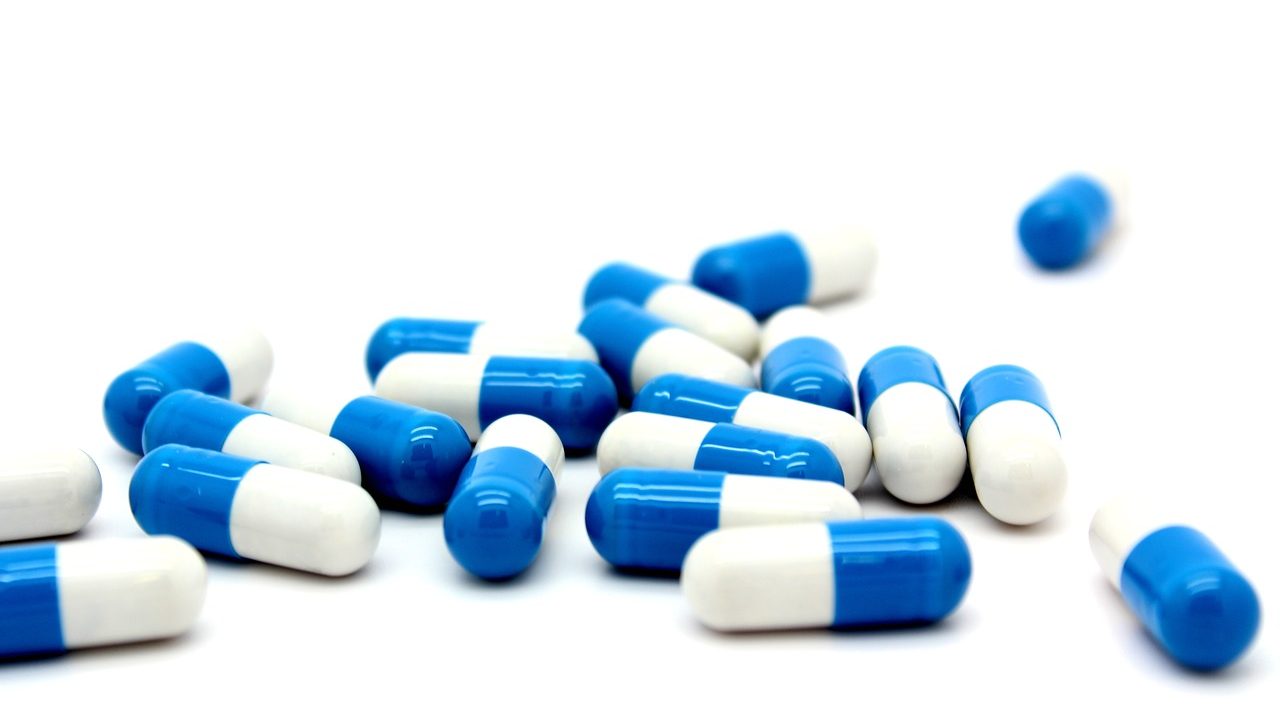
A new study has shown that availability of essential drugs for the treatment of childhood cancers was well below the World Health Organisation (WHO)-prescribed standards in both public and private sector pharmacies even in the national capital, Delhi.

The survey looked into the availability of 33 essential anti-cancer medicines in four public and three private hospitals as well as 32 private retail pharmacies. It was found that their mean availability was a mere 70 percent as against the WHO’s norm of at least 80 percent.

The situation was, however, somewhat better in private hospitals over public hospitals and private retail pharmacies. Private hospitals recorded availability of 71 percent, while public hospitals reported 43 percent and retail pharmacies 38 percent.

The study has also found a problem with the prices of drugs. Medicine prices were relatively low in Delhi compared with international reference prices. However, even at a lower price, the medicines were unaffordable for a vast section of society.  The lowest cost of chemotherapy for treating a 30 kg child with standard-risk leukemia was Rs. 27,850 and for a child with early-stage Hodgkin’s lymphoma was Rs.17,500.

“Low availability and poor affordability of anti-cancer essential medicines highlight the need to streamline the public sector and private sector medicine procurement and supply systems,’ said Neha Faruqui of the George Institute for Global Health, and a member of the research team.

The study has been published in the journal BMJ Global Health. The study team included researchers from The George Institute for Global Health, University of Sydney, Cankids India, Max Super Speciality Hospital and Boston University School of Public Health. (India Science Wire)

By Sunderarajan Padmanabhan

If you liked this article, then please subscribe to our YouTube Channel for the latest Science & Tech news. You can also find us on Twitter & Facebook.
Rate

The study has also found a problem with the prices of drugs. Medicine prices were relatively low in Delhi compared with international reference prices. However, even at a lower price, the medicines were unaffordable for a vast section of society.  The lowest cost of chemotherapy for treating a 30 kg child with standard-risk leukemia was Rs. 27,850 and for a child with early-stage Hodgkin’s lymphoma was Rs.17,500.

“Low availability and poor affordability of anti-cancer essential medicines highlight the need to streamline the public sector and private sector medicine procurement and supply systems,’ said Neha Faruqui of the George Institute for Global Health, and a member of the research team.

The study has been published in the journal BMJ Global Health. The study team included researchers from The George Institute for Global Health, University of Sydney, Cankids India, Max Super Speciality Hospital and Boston University School of Public Health. (India Science Wire)

By Sunderarajan Padmanabhan

If you liked this article, then please subscribe to our YouTube Channel for the latest Science & Tech news. You can also find us on Twitter & Facebook.
" }
New Project to Develop Human Monoclonal Antibodies for Neutralizing SARS-Cov-2

New Project to Develop Human Monoclonal Antibodies for Neutralizing SARS-Cov-2

The Council of Scientific and Industrial Research through its New Millennium Indian Technology Leadership Initiative program, has approved a project towards the development of human monoclonal antibodies that can neutralize SARS-CoV-2 in patients

  • News
  • 1.7K
Read more
Biomass of Invasive Weed Can Help Treat Toxic Waste

Biomass of Invasive Weed Can Help Treat Toxic Waste

Scientists at the Indian Institute of Technology, Madras have developed a method to make a low-cost adsorbent using the weed and apply that to treat toxic effluents. The technology converts the weed into activated carbon, which, in turn, removes organic compounds, phosphate, and nitrate from polluted water.

  • News
  • 2.1K
Read more
How Will Global Warming Affect El Niño in The 21st Century?

How Will Global Warming Affect El Niño in The 21st Century?

El Niño remains the largest climate phenomenon that occurs frequently producing droughts, floods, wildfires, dust and snow storms, fish kill, and even elevated risks of civil conflicts

  • News
  • 2.8K
Read more

Internet is huge! Help us find great content

Newsletter

Never miss a thing! Sign up for our newsletter to stay updated.

About

Research Stash is a curated collection of tools and News for S.T.E.M researchers

Have any questions or want to partner with us? Reach us at hello@researchstash.com

Navigation

Submit