New Coordinated Effort for Malaria Research Unveiled

New Coordinated Effort for Malaria Research Unveiled

  • Research Stash
  • News
  • 1.8K

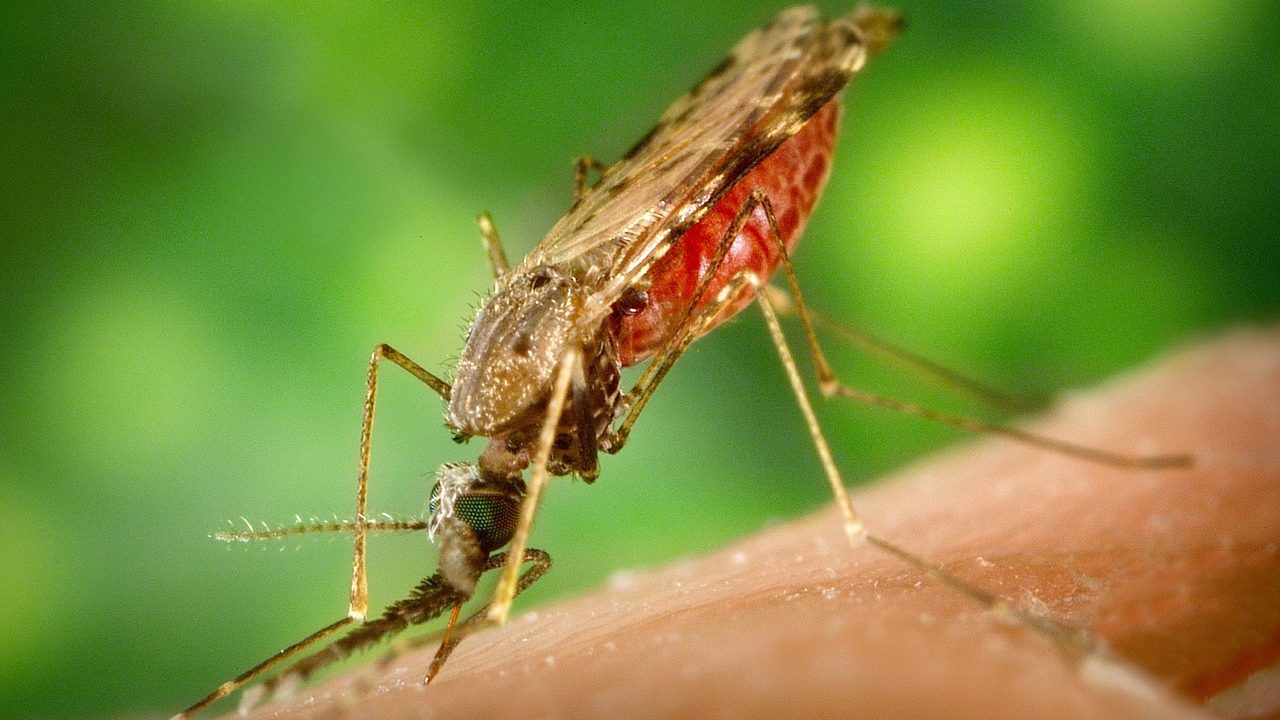
The fight against malaria got a shot in the arm today with a range of research organizations coming together on a common platform with an aim to eliminate the disease from the country by 2030 through shared research agenda and resources.

Over the past two decades, India has made good progress in malaria control. The disease burden has declined by 59 percent (2.03 million cases in 2000 to 0.84 million in 2017) and deaths due to the disease by 89 percent (932 in 2000 to 103 in 2017). The success has led to the government to make a commitment to eliminate malaria by 2030.

However, several challenges remain. There are critical operational gaps in service access particularly for vulnerable populations in high transmission areas as well as in the services provided by the private sector. There is also a need to improve the quality and effectiveness of vector and environmental control measures. In addition, the emergence and spread of drug and insecticide resistance are undermining the efficacy of existing tools. There is a need for new improved tools and approaches for disease surveillance, diagnosis, treatment, and vector control.

There are several research organizations and groups in the country that focus on malaria research but there are little communication and harmonization in the scientific community, resulting in duplication of efforts.

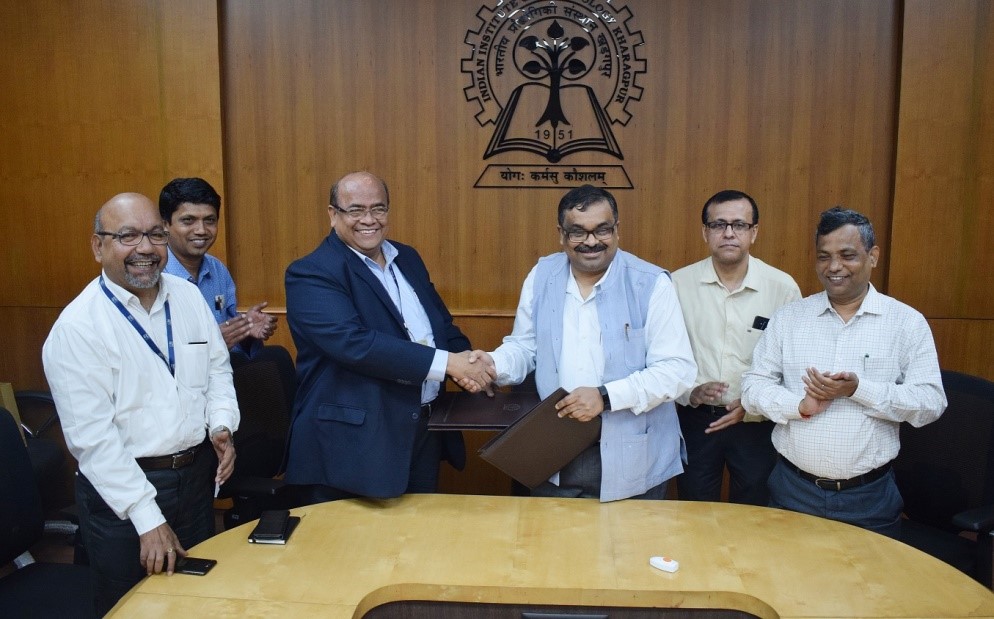
In this context, the Indian Council of Medical Research has put together a programme to bring the various stakeholders on a single platform to identify and prioritize research work needed to meet the target to eliminate the disease by 2030. Called Malaria Elimination Research Alliance India (MERA India), the programme took off today with the first meeting of the stakeholders.

Secretary, Ministry of Health and Family Welfare, Preeti Sudan, noted that there was a need for more operational research. She urged those who were involved in Malaria control programmes to prepare and disseminate short audio and video clips on how people can protect themselves from the disease and help block its transmission.

Regional Advisor at World Health Organisation’s South East Asia Regional Office, Dr. Neena Valecha, said the regional office would provide all assistance to ensure regional cooperation for the programme considering that diseases know no national boundaries and it was essential that all the countries in the region worked in unison.

ICMR Director General Balram Bharghava, expressed confidence that the programme would harness and reinforce research in coordinated and combinatorial ways to achieve the target of malaria elimination by 2030.   (India Science Wire)

By Sunderarajan Padmanabhan

If you liked this article, then please subscribe to our YouTube Channel for the latest Science & Tech news. You can also find us on Twitter & Facebook.
Rate

There are several research organizations and groups in the country that focus on malaria research but there are little communication and harmonization in the scientific community, resulting in duplication of efforts.

In this context, the Indian Council of Medical Research has put together a programme to bring the various stakeholders on a single platform to identify and prioritize research work needed to meet the target to eliminate the disease by 2030. Called Malaria Elimination Research Alliance India (MERA India), the programme took off today with the first meeting of the stakeholders.

Secretary, Ministry of Health and Family Welfare, Preeti Sudan, noted that there was a need for more operational research. She urged those who were involved in Malaria control programmes to prepare and disseminate short audio and video clips on how people can protect themselves from the disease and help block its transmission.

Regional Advisor at World Health Organisation’s South East Asia Regional Office, Dr. Neena Valecha, said the regional office would provide all assistance to ensure regional cooperation for the programme considering that diseases know no national boundaries and it was essential that all the countries in the region worked in unison.

ICMR Director General Balram Bharghava, expressed confidence that the programme would harness and reinforce research in coordinated and combinatorial ways to achieve the target of malaria elimination by 2030.   (India Science Wire)

By Sunderarajan Padmanabhan

If you liked this article, then please subscribe to our YouTube Channel for the latest Science & Tech news. You can also find us on Twitter & Facebook.
" }
Pakistan’s Nuclear Arsenal May Have Plateaued - Study

Pakistan’s Nuclear Arsenal May Have Plateaued: Study

A new study has estimated the size of Pakistan’s nuclear stockpile to be lower than present estimates, attributing it to the shortage of uranium

  • News
  • 1.8K
Read more
Vice President Lauds Indian Scientists for Work on COVID 19 Vaccine

Vice President Lauds Indian Scientists for Work on COVID 19 Vaccine

The Vice President of India, Shri M. Venkaiah Naidu today expressed happiness that India was on the verge of releasing its own indigenous COVID vaccine and complimented the scientists who have made this possible

  • News
  • 1.7K
Read more
New Algorithm Predicts Gestational Diabetes

New Algorithm Predicts Gestational Diabetes

A new computer algorithm can predict in the early stages of pregnancy, or even before pregnancy has occurred, in which women are at a high risk of gestational diabetes – according to a study by researchers at the Weizmann Institute of Science reported today in Nature Medicine.

  • News
  • 1.4K
Read more

Internet is huge! Help us find great content

Newsletter

Never miss a thing! Sign up for our newsletter to stay updated.

About

Research Stash is a curated collection of tools and News for S.T.E.M researchers

Have any questions or want to partner with us? Reach us at hello@researchstash.com

Navigation

Submit