Biodegradable Film Developed from Whey, Isabgol and Lotus Stem Starch

Biodegradable Film Developed from Whey, Isabgol and Lotus Stem Starch

  • Research Stash
  • News
  • 4.4K

Indian researchers have developed a biodegradable film using lotus stem starch, whey protein concentrate, and psyllium husk that has high structural integrity and low solubility.

Starch can form a continuous matrix and has been considered an important polymer due to low cost and renewability. But films made from starch alone have low mechanical strength and high water vapor content. In this study, researchers used starch along with whey protein and psyllium husk (isabgol) to make a biodegradable film.

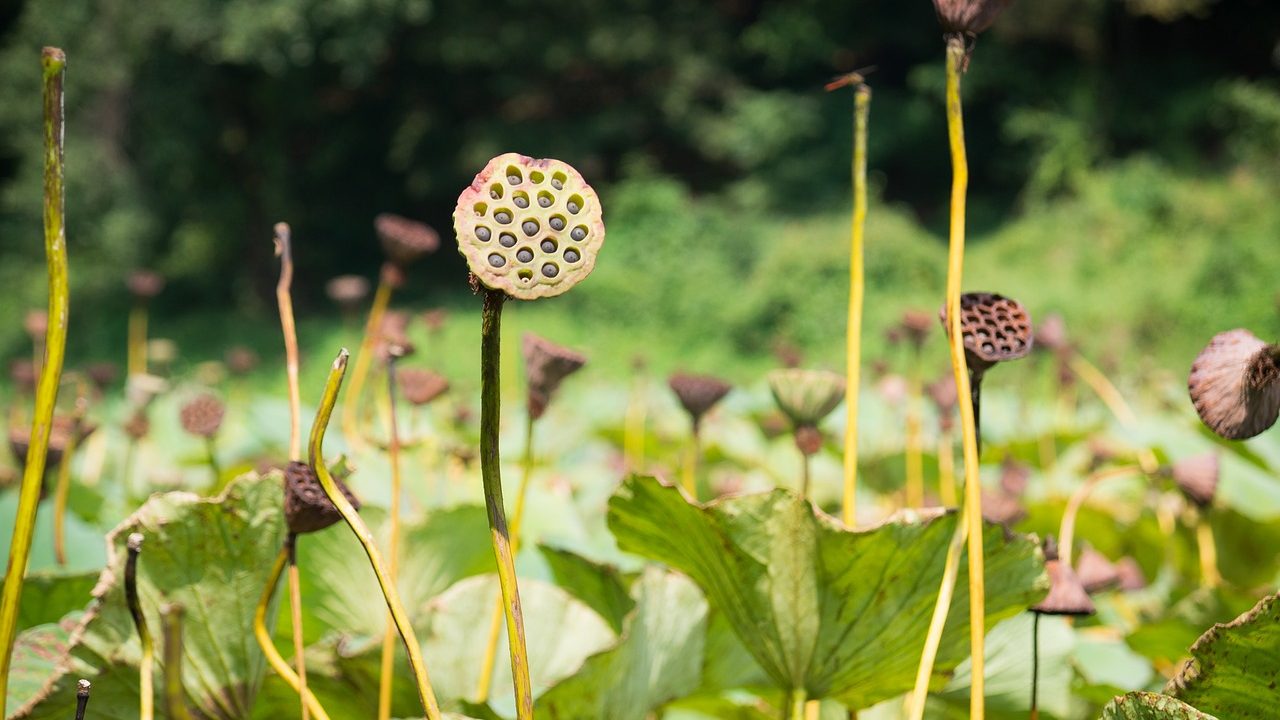
The stem of lotus plant was used as a source of starch. It contains 10 to 20 percent starch component of the total fresh weight of stem. Studies also show that different chemical modifications to starch can improve its physical, barrier, mechanical, and form properties. In this study, the researchers performed two modifications to lotus rhizome starch: oxidation and cross-linking.

Whey protein is a by-product of cheese manufacturing. The polymer interaction between protein and starch can create a continuous film that has improved properties. Psyllium or Isabgol has a highly gelatinous or viscous consistency and has been used as an ingredient to developing films.

“To minimize the use of petroleum-based plastics, there has been an increase in the research to develop biodegradable packaging materials using natural agro-based polymers”, said Charanjit S Riar, a scientist at Sant Longowal Institute of Engineering & Technology (Punjab) and a member of the research team.

The biodegradable film was made in two steps. The psyllium husk was first kept in water for 30 minutes, then heated in boiling water for 20 minutes, cooled and blended with whey protein, rhizome starch, and glycerol. The whole mixture was heated at 90 degrees and then poured in Teflon coated molds. The molds were then heated, peeled off and stored in special containers to prevent exposure to moisture.

Different properties of these films were then measured to assess it. Thickness is an important parameter used to infer the mechanical and barrier properties of a film. The films made with modified starch (oxidized and cross-linked) were thicker, had higher moisture content and tensile strength, and lower solubility compared to films made with non-modified starch.

“These films are white and transparent and can be used to visualize the products that are packaged, hence promoting higher product acceptability by consumer”, explained Riar. Such biodegradable films can find application in food coatings, encapsulations, probiotic coatings, drug delivery systems, and edible packaging materials.

The research team included Sakshi Sukhija, Sukhcharn Singh, and Charanjit S Riar (Sant Longowal Institute of Engineering & Technology, Punjab), and the study was published in Journal of the Science of Food and Agriculture. (India Science Wire)

By Dr. P Surat

Journal Article

Development and characterization of biodegradable films form whey protein concentrate, psyllium husk and oxidized, cross-linked, dual modified lotus rhizome starch composite.

If you liked this article, then please subscribe to our YouTube Channel for the latest Science & Tech news. You can also find us on Twitter & Facebook.
Rate

Whey protein is a by-product of cheese manufacturing. The polymer interaction between protein and starch can create a continuous film that has improved properties. Psyllium or Isabgol has a highly gelatinous or viscous consistency and has been used as an ingredient to developing films.

“To minimize the use of petroleum-based plastics, there has been an increase in the research to develop biodegradable packaging materials using natural agro-based polymers”, said Charanjit S Riar, a scientist at Sant Longowal Institute of Engineering & Technology (Punjab) and a member of the research team.

The biodegradable film was made in two steps. The psyllium husk was first kept in water for 30 minutes, then heated in boiling water for 20 minutes, cooled and blended with whey protein, rhizome starch, and glycerol. The whole mixture was heated at 90 degrees and then poured in Teflon coated molds. The molds were then heated, peeled off and stored in special containers to prevent exposure to moisture.

Different properties of these films were then measured to assess it. Thickness is an important parameter used to infer the mechanical and barrier properties of a film. The films made with modified starch (oxidized and cross-linked) were thicker, had higher moisture content and tensile strength, and lower solubility compared to films made with non-modified starch.

“These films are white and transparent and can be used to visualize the products that are packaged, hence promoting higher product acceptability by consumer”, explained Riar. Such biodegradable films can find application in food coatings, encapsulations, probiotic coatings, drug delivery systems, and edible packaging materials.

The research team included Sakshi Sukhija, Sukhcharn Singh, and Charanjit S Riar (Sant Longowal Institute of Engineering & Technology, Punjab), and the study was published in Journal of the Science of Food and Agriculture. (India Science Wire)

By Dr. P Surat

Journal Article

Development and characterization of biodegradable films form whey protein concentrate, psyllium husk and oxidized, cross-linked, dual modified lotus rhizome starch composite.

If you liked this article, then please subscribe to our YouTube Channel for the latest Science & Tech news. You can also find us on Twitter & Facebook.
" }
New Technique to Trap and Move Tiny Particles Using Laser

New Technique to Trap and Move Tiny Particles Using Laser

In a development that could help make advanced lab-on-chip devices like portable diagnostic kits, researchers at the Centre for Nano Science and Engineering in Indian Institute of Science, Bengaluru, have come up with a technique to trap & move nano-sized particles in a fluidic medium using light

  • News
  • 1.9K
Read more
New Mosquito Repelling Molecule Identified

New Mosquito Repelling Molecule Identified

Researchers have synthesized a new aromatic molecule that promises to help repel and kill adult female of Aedes aegypti mosquito which is a carrier of several disease-causing viruses

  • News
  • 2.5K
Read more
Intranasal COVID Vaccine Gets DCGA Emergency Use Authorisation

Intranasal COVID Vaccine Gets DCGA Emergency Use Authorisation

The Department of Biotechnology and its PSU, Biotechnology Industry Research Assistance Council, on Wednesday announced that the Drug Controller General of India had given emergency use authorization for the first-of-its-kind intranasal COVID-19 vaccine developed by Bharat Biotech.

  • News
  • 3.4K
Read more

Internet is huge! Help us find great content

Newsletter

Never miss a thing! Sign up for our newsletter to stay updated.

About

Research Stash is a curated collection of tools and News for S.T.E.M researchers

Have any questions or want to partner with us? Reach us at hello@researchstash.com

Navigation

Submit