Seaweed-Silver Combo Can Fight Drug-Resistant Bacteria in Biofilms

Seaweed-Silver Combo Can Fight Drug-Resistant Bacteria in Biofilms

  • Research Stash
  • News
  • 3.1K

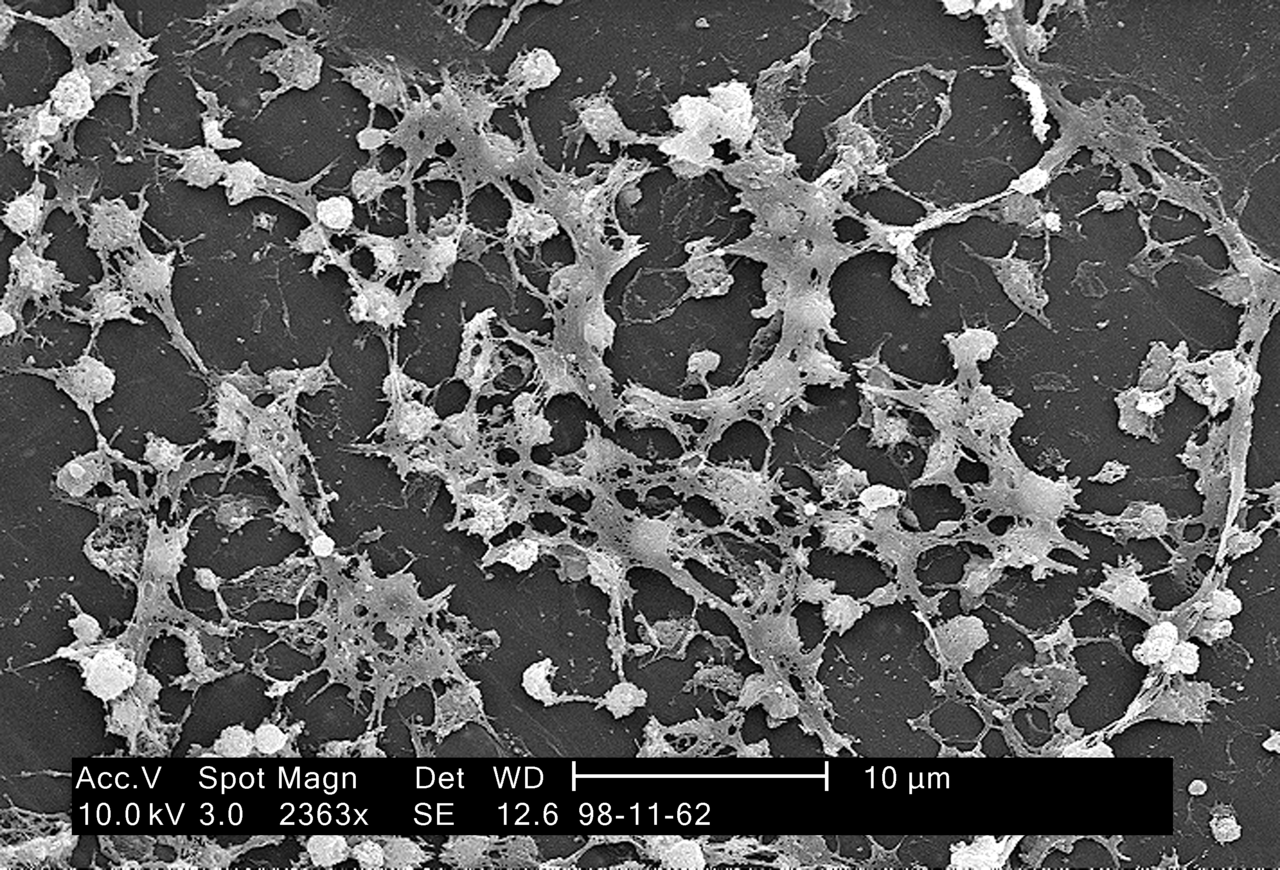
Antibiotic resistance is a major problem in the health sector globally. Many times bacteria form biofilms to resist the action of antibiotics. They do so by adhering together to form a matrix with the help of polymer which they produce. Such microbial films are responsible for the failure of devices such as catheters and ventilators.
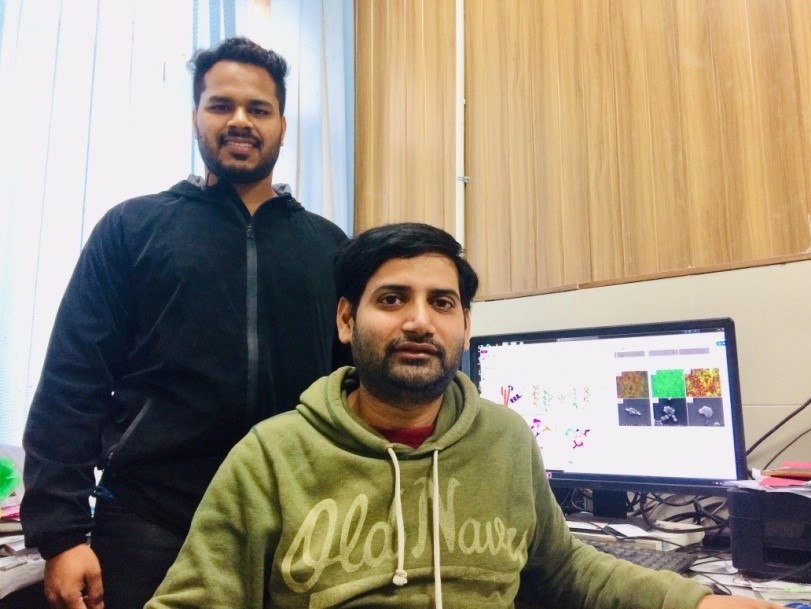
Dr. Krishna Mohan Poluri (Standing) and Mukesh Kumar Meher

IMAGE: Dr Krishna Mohan Poluri (Standing) and Mukesh Kumar Meher

Researchers at Indian Institute of Technology, Roorkee (IIT-Roorkee) have developed a new eco-friendly nanocomposite that promises to help fight the problem of such antibiotic resistance more effectively. The newly synthesized nanocomposite is capable of penetrating these biofilms and kill microbes.

The new compound has been developed by combining silver particles with ĸ-Carrageenan, a polymer derived from red seaweed. The polymer is conventionally used in food products as a gelling, thickening and emulsifying agent.

Silver nanoparticles are already known to have the ability to kill microbes but they are unstable and have a short shelf life. Researchers used ĸ-Carrageenan to increase stability and shelf life of silver nanoparticles. They made a solution of ĸ-Carrageenan with silver nitrate and irradiated it in a microwave synthesizer. The nanocomposite thus obtained was found to be very stable and has a long shelf life, while being effective against both Gram-positive and Gram-negative bacteria.

“Capping of silver nanocomposites with ĸ-carrageenan imparts its stability and shelf life up to six 6 months, which is one of the essential features of therapeutic formulations. The nanocomposite shows excellent antimicrobial activity against S.aureus and P.aeruginosa bacterial biofilms,” researchers said. As carrageenan has been widely studied for its antifungal, anti-viral, anti-cancerous and immunomodulatory properties, the nanocomposite based on it can have huge potential in biomedical applications.

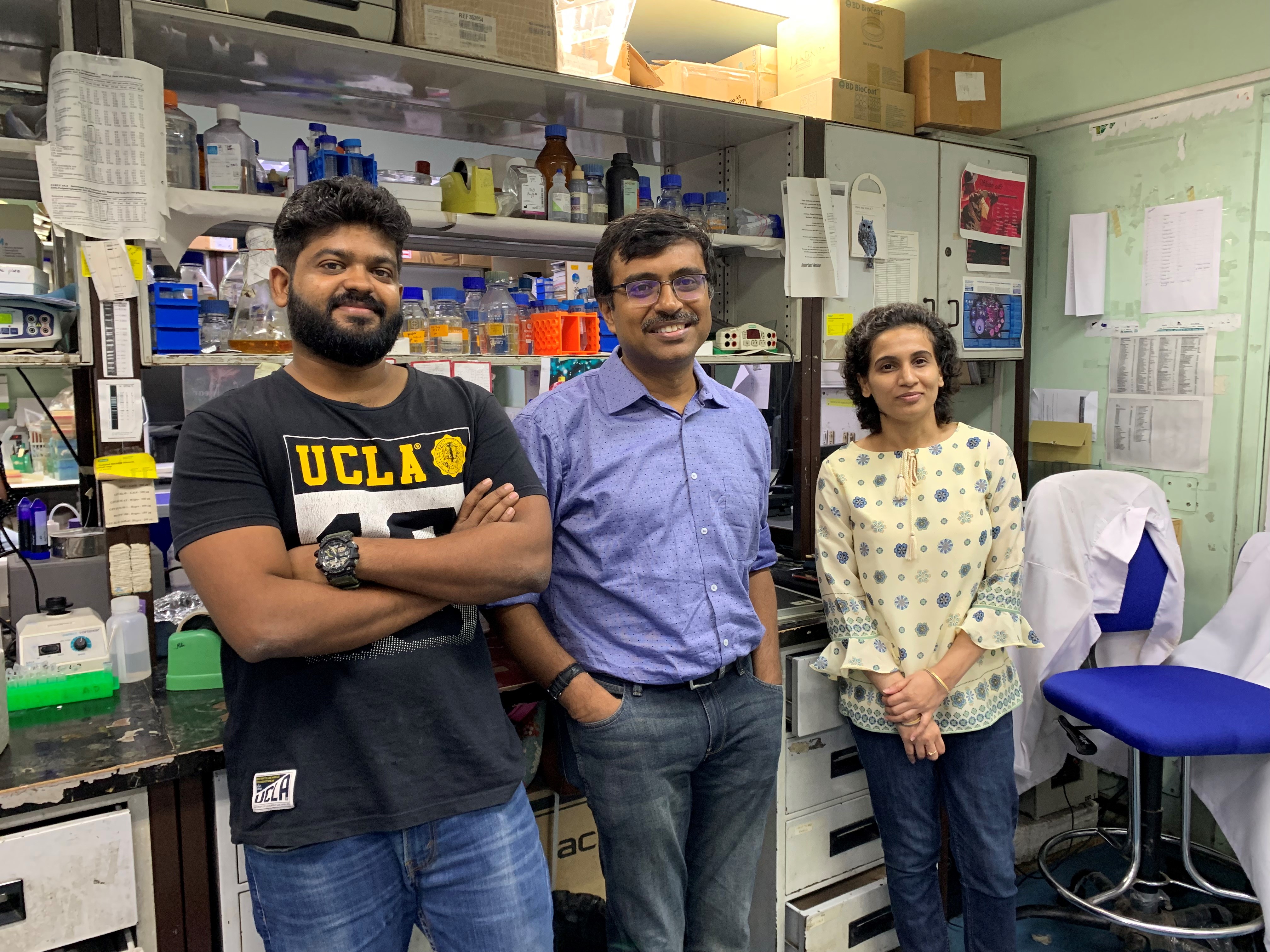
The new nanocomposite also has potential applications in the food packaging industry as microbial films spoil food products. “We are currently devising cost-effective anti-bacterial wound dressing materials and food packaging materials using the new nanocomposite. We plan to study its efficacy as potent anti-fungal and anti-viral agents too,” said Dr.Krishna Mohan Poluri, a member of the research team, while speaking to India Science Wire.

The research results have been published in journal Carbohydrate Polymers. Besides Dr Krishna Mohan Poluri, the team included Apoorva Goel, Mukesh Kumar Meher, Payal Gupta, Khushboo Gulati and Vikas Pruthi. (India Science Wire)

By Dr Aditi Jain

Journal Article

Microwave assisted κ-carrageenan capped silver nanocomposites for eradication of bacterial biofilms

If you liked this article, then please subscribe to our YouTube Channel for the latest Science & Tech news. You can also find us on Twitter & Facebook.

Rate

Researchers at Indian Institute of Technology, Roorkee (IIT-Roorkee) have developed a new eco-friendly nanocomposite that promises to help fight the problem of such antibiotic resistance more effectively. The newly synthesized nanocomposite is capable of penetrating these biofilms and kill microbes.

The new compound has been developed by combining silver particles with ĸ-Carrageenan, a polymer derived from red seaweed. The polymer is conventionally used in food products as a gelling, thickening and emulsifying agent.

Silver nanoparticles are already known to have the ability to kill microbes but they are unstable and have a short shelf life. Researchers used ĸ-Carrageenan to increase stability and shelf life of silver nanoparticles. They made a solution of ĸ-Carrageenan with silver nitrate and irradiated it in a microwave synthesizer. The nanocomposite thus obtained was found to be very stable and has a long shelf life, while being effective against both Gram-positive and Gram-negative bacteria.

“Capping of silver nanocomposites with ĸ-carrageenan imparts its stability and shelf life up to six 6 months, which is one of the essential features of therapeutic formulations. The nanocomposite shows excellent antimicrobial activity against S.aureus and P.aeruginosa bacterial biofilms,” researchers said. As carrageenan has been widely studied for its antifungal, anti-viral, anti-cancerous and immunomodulatory properties, the nanocomposite based on it can have huge potential in biomedical applications.

The new nanocomposite also has potential applications in the food packaging industry as microbial films spoil food products. “We are currently devising cost-effective anti-bacterial wound dressing materials and food packaging materials using the new nanocomposite. We plan to study its efficacy as potent anti-fungal and anti-viral agents too,” said Dr.Krishna Mohan Poluri, a member of the research team, while speaking to India Science Wire.

The research results have been published in journal Carbohydrate Polymers. Besides Dr Krishna Mohan Poluri, the team included Apoorva Goel, Mukesh Kumar Meher, Payal Gupta, Khushboo Gulati and Vikas Pruthi. (India Science Wire)

By Dr Aditi Jain

Journal Article

Microwave assisted κ-carrageenan capped silver nanocomposites for eradication of bacterial biofilms

If you liked this article, then please subscribe to our YouTube Channel for the latest Science & Tech news. You can also find us on Twitter & Facebook.
" }

Seven Taiwan universities rank in Asia-Pacific top 100

A total of seven Taiwan tertiary education institutions are ranked among the 100 best universities in the Asia-Pacific, according to U.K.-based Times Higher Education magazine July 4.

  • News
  • 2.4K
Read more
DRDO & JNU Scientists Develop Highly Potent Anthrax Vaccine

DRDO & JNU Scientists Develop Highly Potent Anthrax Vaccine

Scientists have developed a new vaccine against anthrax. It is claimed to be superior over existing vaccines as it can generate an immune response to anthrax toxin as well as its spores rather than the toxin alone

  • News
  • 2K
Read more
Dr Sagar Sengupta with his colleagues in his lab

Study Opens New Avenue for Preventing Cancer

In a new development in the area of cancer research, scientists at Delhi-based National Institute of Immunology have found a way to stop the degradation of a protein called p53 that prevents cancer cells from proliferating and forming tumors in the body

  • News
  • 4.1K
Read more

Internet is huge! Help us find great content

Newsletter

Never miss a thing! Sign up for our newsletter to stay updated.

About

Research Stash is a curated collection of tools and News for S.T.E.M researchers

Have any questions or want to partner with us? Reach us at [email protected]

Navigation

Submit