New Study Questions Kerala Flood Link with Climate Change

New Study Questions Kerala Flood Link with Climate Change

  • Research Stash
  • News
  • 7.3K

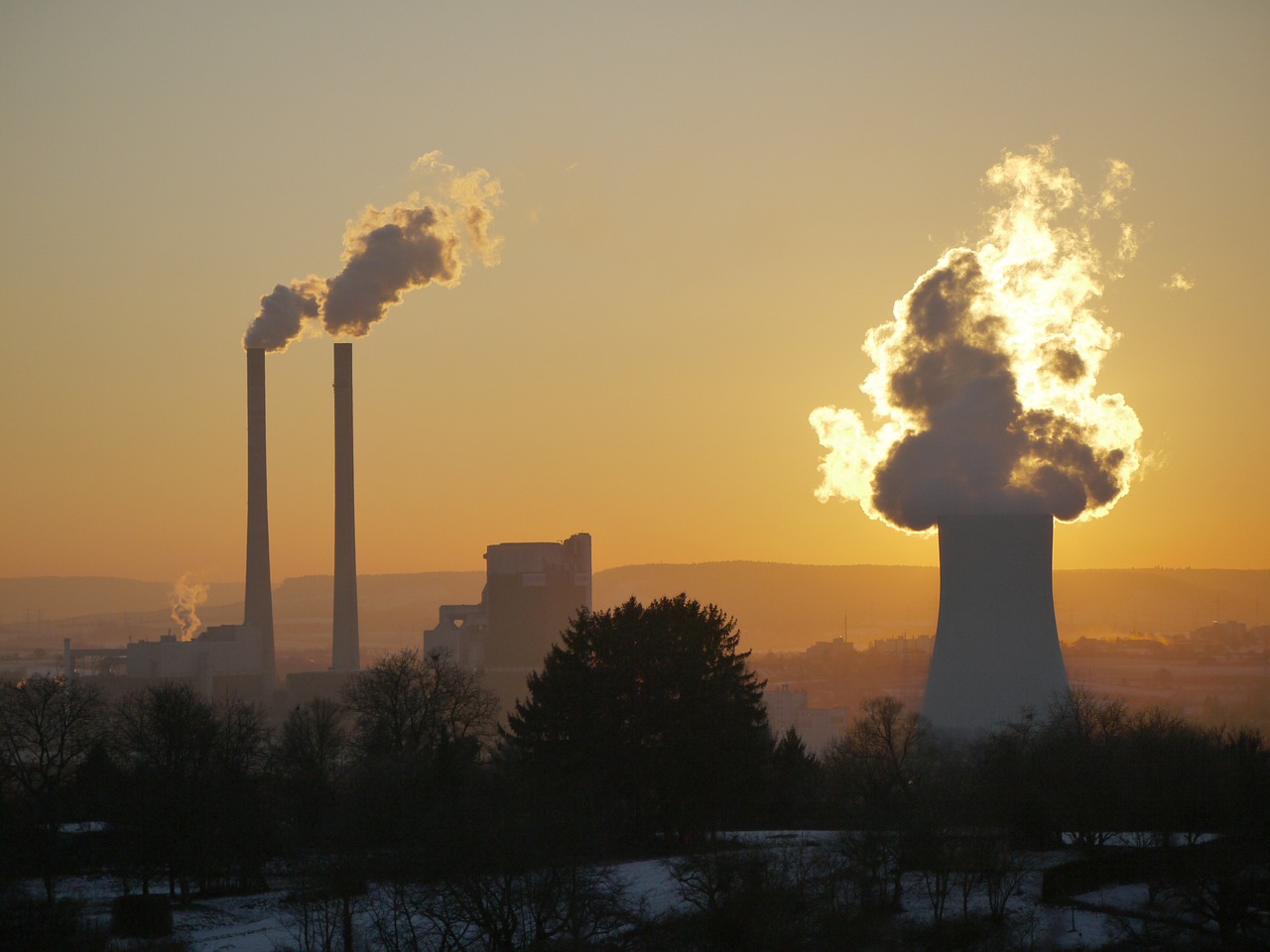
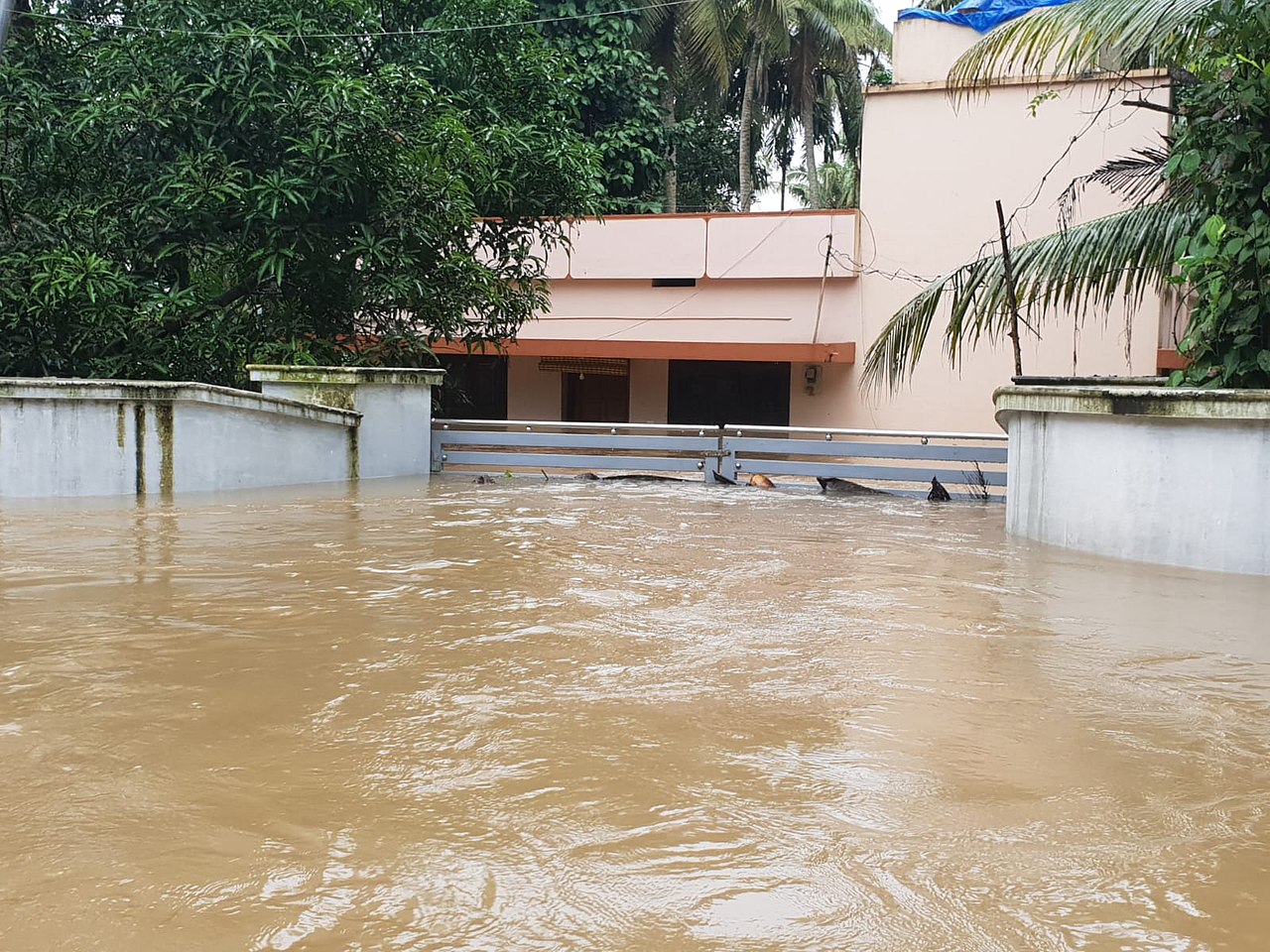
The frequency and intensity of extreme weather events in India appear to be going up, as projected by various scientific assessments on climate change. But it may not be right to connect every such event with climate change, as pointed out by a new study on the recent Kerala floods.

The study, done by researchers at the Water and Climate Lab at Indian Institute of Technology Gandhinagar, is based on analysis of data relating to rainfall, temperature and extreme events in Kerala between 1951 and 2017 as well as model simulations.

During this period, Kerala saw a significant decline in monsoon rainfall and increase in temperature during monsoon months. There was also a decline in the occurrence of heavy rainfall over one or two days. It means Kerala witnessed drying and warming during the monsoon season since 1951.

“Since we do not find any increase in the mean or extreme monsoon season precipitation during 1951-2017, attributing 2018 flood in Kerala to climate change can be difficult. Despite the significant warming observed in the last 66 years, the mean and extreme precipitation and total runoff have not increased,” researchers, Dr. Vimal Mishra, and Harsh L Shah have observed in their study published in the Journal of Geological Society of India.

Instead, the study says, the 2018 extreme precipitation and flood events might have been caused due to anomalous large-scale circulation features. Earlier studies have shown the impact of deforestation on monsoon rainfall in the Western Ghats. Changes in land use and land cover also affect hydrological conditions, which in turn, can affect flood peaks and inundation. Still “how much impact historic land cover change in Kerala had on the severity of flood in August 2018 is yet to be understood,” the study says.

“The situation of reservoirs might have played a key role in at least worsening the flood situation,” researchers said. The group had earlier reported that excess rainfall caused ‘above normal’ reservoir storage prior to the extreme rainfall on August 15 and 16. “The extreme precipitation in catchments of major reservoirs forced reservoir operators to open the gates and release a considerable amount of stored water, which might have added to the severity of floods,” the study says.

However, other climate experts do not agree saying that all extreme weather events need not be a result of local warming.

“The study is not focused on the mechanism that produced the extremes rain. I do not agree with the speculation that it is part of natural variability just because this far Kerala has not seen an increase in mean or extremes. The entire process of loading the atmosphere with moisture because of warming is precisely that a one-in-a-hundred or fifty-year event can begin to occur more frequently”.

“So we need to get to the processes that pumped moisture in and that goes back to the work of Roxy Mathew Koll at IITM on the Arabian Sea warming supplying moisture for increase in widespread monsoons,” pointed out Raghu Murtugudde, professor of Atmospheric and Oceanic Science and Earth System Science at the University of Maryland and visiting professor at IIT Bombay. (India Science Wire)

By Dinesh C Sharma

If you liked this article, then please subscribe to our YouTube Channel for the latest Science & Tech news. You can also find us on Twitter & Facebook.

Rate

“Since we do not find any increase in the mean or extreme monsoon season precipitation during 1951-2017, attributing 2018 flood in Kerala to climate change can be difficult. Despite the significant warming observed in the last 66 years, the mean and extreme precipitation and total runoff have not increased,” researchers, Dr. Vimal Mishra, and Harsh L Shah have observed in their study published in the Journal of Geological Society of India.

Instead, the study says, the 2018 extreme precipitation and flood events might have been caused due to anomalous large-scale circulation features. Earlier studies have shown the impact of deforestation on monsoon rainfall in the Western Ghats. Changes in land use and land cover also affect hydrological conditions, which in turn, can affect flood peaks and inundation. Still “how much impact historic land cover change in Kerala had on the severity of flood in August 2018 is yet to be understood,” the study says.

“The situation of reservoirs might have played a key role in at least worsening the flood situation,” researchers said. The group had earlier reported that excess rainfall caused ‘above normal’ reservoir storage prior to the extreme rainfall on August 15 and 16. “The extreme precipitation in catchments of major reservoirs forced reservoir operators to open the gates and release a considerable amount of stored water, which might have added to the severity of floods,” the study says.

However, other climate experts do not agree saying that all extreme weather events need not be a result of local warming.

“The study is not focused on the mechanism that produced the extremes rain. I do not agree with the speculation that it is part of natural variability just because this far Kerala has not seen an increase in mean or extremes. The entire process of loading the atmosphere with moisture because of warming is precisely that a one-in-a-hundred or fifty-year event can begin to occur more frequently”.

“So we need to get to the processes that pumped moisture in and that goes back to the work of Roxy Mathew Koll at IITM on the Arabian Sea warming supplying moisture for increase in widespread monsoons,” pointed out Raghu Murtugudde, professor of Atmospheric and Oceanic Science and Earth System Science at the University of Maryland and visiting professor at IIT Bombay. (India Science Wire)

By Dinesh C Sharma

If you liked this article, then please subscribe to our YouTube Channel for the latest Science & Tech news. You can also find us on Twitter & Facebook.

" }
A Lesson from Ramanujan’s Elbow

A Lesson from Ramanujan’s Elbow

Scribbled in black ink, about 130 unlabeled pages with mystifying mathematical equations that made no sense at the first glance was gathering the proverbial dust in a quiet corner in a box with assorted bills and letters at the library of Trinity College, Cambridge, for about fifty years, until accidentally chanced upon by Prof George Andrews of Pennsylvania State University one fine day in 1976.

  • News
  • 10K
Read more
Better Education Can Help Reduce Risk of Hypertension & Diabetes

Better Education Can Help Reduce Risk of Hypertension & Diabetes

Hypertension and diabetes are emerging as major health challenge not just in cities but in rural areas as well, and particularly among women. A new study says improved education, standardization of testing as well as follow up of hypertension and diabetes after childbirth are needed in Indian rural areas

  • News
  • 1.2K
Read more
The 36th annual conference of astronomical society of India to begin in 6th Feb.

A Four-Day Meet on Astronomy Begins At Hyderabad on February 6

About 400 astronomers are gathering at Hyderabad for a stimulating four-day discussion on a range of topics in astronomy being organized by the Astronomical Society of India beginning tomorrow, Tuesday, February 6 at Osmania University in the southern metropolitan city.

  • News
  • 2.1K
Read more

Internet is huge! Help us find great content

Newsletter

Never miss a thing! Sign up for our newsletter to stay updated.

About

Research Stash is a curated collection of tools and News for S.T.E.M researchers

Have any questions or want to partner with us? Reach us at hello@researchstash.com

Navigation

Submit