Green Technique Can Convert Plaster Of Paris Waste into Useful Products

Green Technique Can Convert Plaster Of Paris Waste into Useful Products

  • Research Stash
  • News
  • 3.7K

A team of scientists has developed a technique that promises to help recycle Plaster of Paris waste from hospitals and other medical centers in a simple, eco-friendly and economical way.
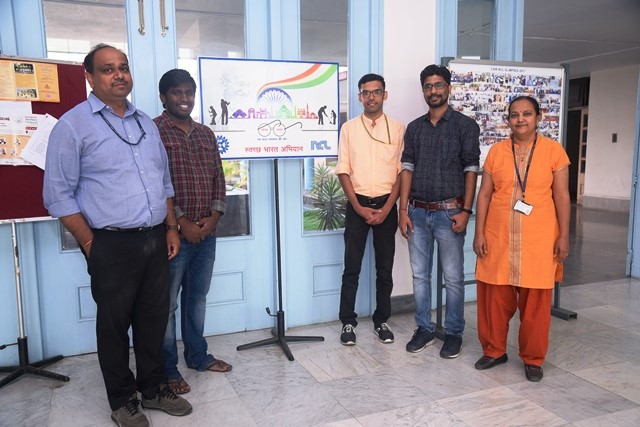
Team of researchers at CSIR-NCL, Pune.

IMAGE: Team of researchers at CSIR-NCL, Pune.

The new technique is non-toxic. It disinfects waste and converts it into useful products like ammonium sulfate and calcium bicarbonate. It can be used as a green alternative to the currently used method of incineration. The technique can also be used to disintegrate PoP waste from idols immersed in water bodies. It has been developed by Pune-based National Chemical Laboratory (CSIR-NCL) and Jalna campus of Mumbai-based Institute of Chemical Technology.

POP waste is a hazardous waste generated from hospitals and other medical centers. It is mainly used for setting broken or fractured bones or for making casts in dentistry. The waste is loaded with bacteria and needs disinfection. It affects not only the environment but also people who collect, segregate and dispose of it.

Typically such waste from hospitals is collected by municipal waste collectors and incinerated. Incineration generates toxic gases and heavy metals, resulting in air and soil pollution.

The new technique involves treatment with ammonium bicarbonate (ABC) solution with a concentration of 20 percent. The solution was found to disintegrate the waste into high value and non-toxic chemicals such as ammonium sulfate and calcium bicarbonate in the form of sludge in 24 hours to 36 hours at room temperature.

Ammonium sulfate can be utilized as nitrogen fertilizer, fire-extinguishing powder, and in industries like pharmaceutical, textile, and wood pulp. Calcium carbonate can be used in metallurgy industry, mainly in steel manufacturing.

“The 20% solution of ammonium bicarbonate also exhibits antibacterial and antifungal property. It could kill 99.9% microbes present in POP waste samples within three hours. The solution also degrades bio-films formed on plaster, especially in orthopedic wastes. This method can prove helpful in villages and remote areas where biomedical waste disposal facilities are not available,” explained team leader Dr. Mahesh Dharne while speaking to India Science Wire.

The technique was also found useful to disintegrate idols made of Plaster of Paris. The Pune Municipal Corporation has shown interest in using it for tackling the problem of pollution because of immersion of idols in rivers and other water bodies.

The research team included G. R. Navale, K. N. Gohil, K. R. Puppala, Dr. S. Umbarkar and  Dr. M. S. Dharne from CSIR-NCL and Dr. S S Shinde from ICT. The study results have been published in the International Journal of Environmental Science and Technology. (India Science Wire)

By Dr. Vaishali Lavekar

Journal Article

Rapid and greener method for utilization of Plaster of Paris (POP) waste generated from biomedical samples

If you liked this article, then please subscribe to our YouTube Channel for the latest Science & Tech news. You can also find us on Twitter & Facebook.
Rate

The new technique is non-toxic. It disinfects waste and converts it into useful products like ammonium sulfate and calcium bicarbonate. It can be used as a green alternative to the currently used method of incineration. The technique can also be used to disintegrate PoP waste from idols immersed in water bodies. It has been developed by Pune-based National Chemical Laboratory (CSIR-NCL) and Jalna campus of Mumbai-based Institute of Chemical Technology.

POP waste is a hazardous waste generated from hospitals and other medical centers. It is mainly used for setting broken or fractured bones or for making casts in dentistry. The waste is loaded with bacteria and needs disinfection. It affects not only the environment but also people who collect, segregate and dispose of it.

Typically such waste from hospitals is collected by municipal waste collectors and incinerated. Incineration generates toxic gases and heavy metals, resulting in air and soil pollution.

The new technique involves treatment with ammonium bicarbonate (ABC) solution with a concentration of 20 percent. The solution was found to disintegrate the waste into high value and non-toxic chemicals such as ammonium sulfate and calcium bicarbonate in the form of sludge in 24 hours to 36 hours at room temperature.

Ammonium sulfate can be utilized as nitrogen fertilizer, fire-extinguishing powder, and in industries like pharmaceutical, textile, and wood pulp. Calcium carbonate can be used in metallurgy industry, mainly in steel manufacturing.

“The 20% solution of ammonium bicarbonate also exhibits antibacterial and antifungal property. It could kill 99.9% microbes present in POP waste samples within three hours. The solution also degrades bio-films formed on plaster, especially in orthopedic wastes. This method can prove helpful in villages and remote areas where biomedical waste disposal facilities are not available,” explained team leader Dr. Mahesh Dharne while speaking to India Science Wire.

The technique was also found useful to disintegrate idols made of Plaster of Paris. The Pune Municipal Corporation has shown interest in using it for tackling the problem of pollution because of immersion of idols in rivers and other water bodies.

The research team included G. R. Navale, K. N. Gohil, K. R. Puppala, Dr. S. Umbarkar and  Dr. M. S. Dharne from CSIR-NCL and Dr. S S Shinde from ICT. The study results have been published in the International Journal of Environmental Science and Technology. (India Science Wire)

By Dr. Vaishali Lavekar

Journal Article

Rapid and greener method for utilization of Plaster of Paris (POP) waste generated from biomedical samples

If you liked this article, then please subscribe to our YouTube Channel for the latest Science & Tech news. You can also find us on Twitter & Facebook.
" }
Here Is All You Wanted to Know About the First Ever Image of a Black Hole

Here Is All You Wanted to Know About the First Ever Image of a Black Hole

The Event Horizon Telescope has released the first direct image of a black hole and its neighbourhood. This black hole lurks in the centre of a nearby galaxy called M87. This historic image shows a ring of light coming from the gas falling into the black hole.

  • News
  • 2.3K
Read more
Study Warns Kala Azar Patients Can Infect Others Even After Treatment

Study Warns Kala Azar Patients Can Infect Others Even After Treatment

Adding a new dimension to the fight against kala-azar, a study has highlighted the need to keep track of patients even after they are treated successfully to see whether they develop a skin condition called post-kala-azar dermal leishmaniasis down the line

  • News
  • 2.3K
Read more
Indian Darjeeling Tea Faces Climate Risk

Indian Darjeeling Tea Faces Climate Risk

A gradual change in temperature and rainfall patterns in Darjeeling hills is beginning to affect the production of the famous Darjeeling tea.

  • News
  • 5.9K
Read more

Internet is huge! Help us find great content

Newsletter

Never miss a thing! Sign up for our newsletter to stay updated.

About

Research Stash is a curated collection of tools and News for S.T.E.M researchers

Have any questions or want to partner with us? Reach us at hello@researchstash.com

Navigation

Submit