
NIPGR Researchers Open a Window on the Secrets of Plant Life to Public

NIPGR Researchers Open a Window on the Secrets of Plant Life to Public

  • Research Stash
  • News
  • 2.6K

On October 26, 2018, New Delhi based National Institute of Plant Genome Research (NIPGR), an autonomous institute under the Department of Biotechnology, Government of India, had organized an Open day for the general public in order to popularize research in plant sciences and its applications.

Students and teachers were invited from various National Capital Region (NCR) based schools and colleges to visit laboratories of NIPGR. (Here is a link to a short report on NIPGR Science Outreach event: https://www.youtube.com/watch?v=wL-BYlJERag )
NIPGR Researchers Open a Window on the Secrets of Plant Life to Public

In this event, a total of 1079 students participated along with their teachers. Among the participant, 958 were school students from 30 different government and private schools and 121 college students from 3 colleges. The NIPGR community presented 31 posters and 18 exhibits on various aspects of life sciences in general and plant sciences in particular.

“The open day is an opportunity for NIPGR to open its doors to the local community and contribute towards inculcating in students a passion for science,” said Prof. Ramesh V. Sonti, Director at NIPGR, New Delhi.

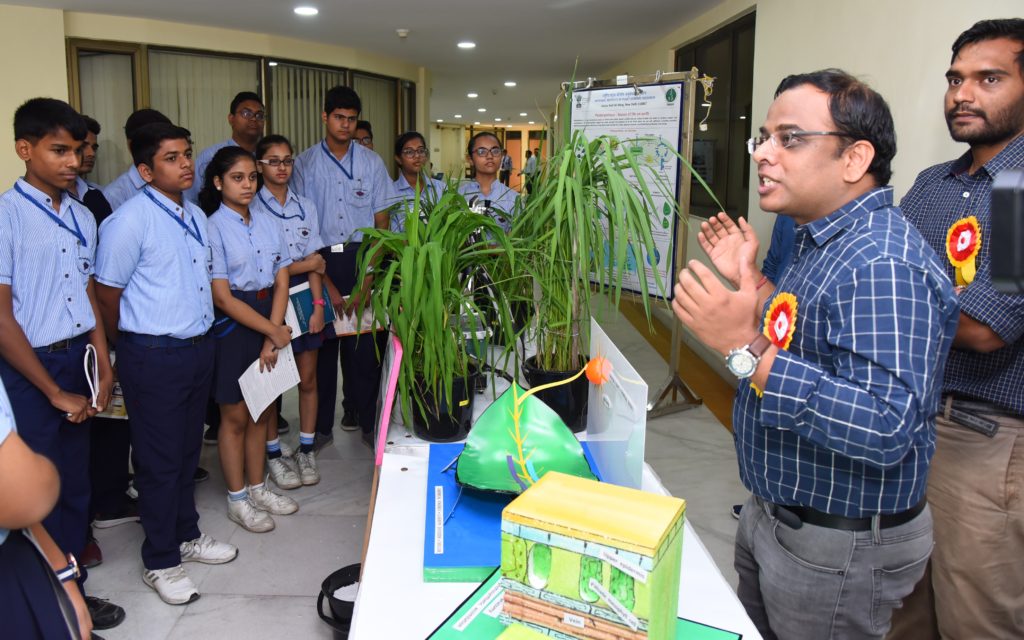
NIPGR scientists, technical specialists, and young researchers explained in very simple language about ongoing plant research activities in the institute. They covered various aspects of plant sciences including photosynthesis, ecological nitrogen fixation, plant-pathogen interactions, crop yield improvement etc.

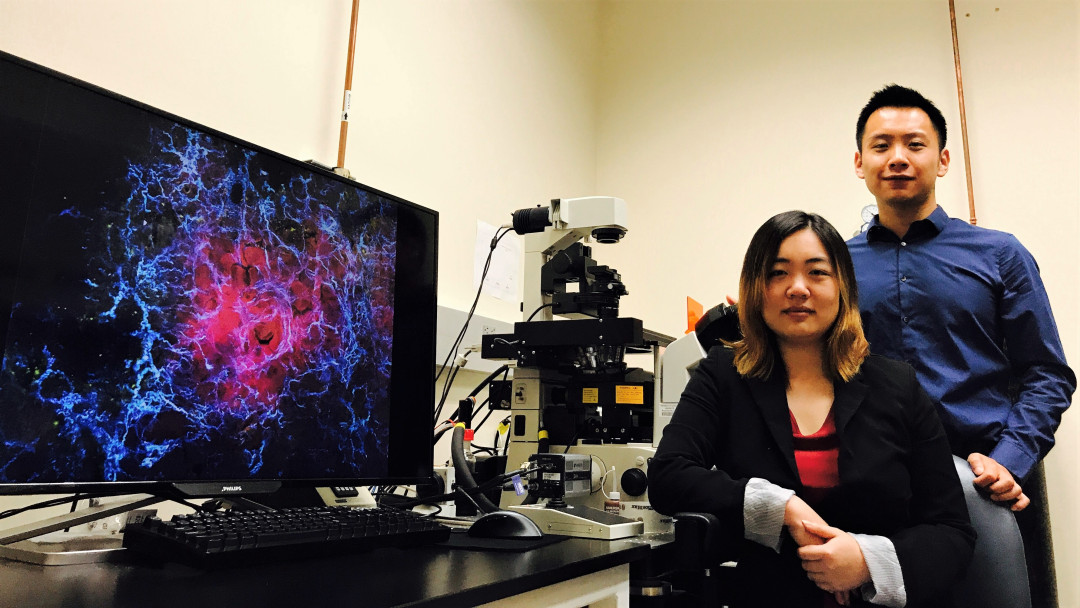
Various posters, exhibitions, and practical demonstrations like how to isolate DNA from plants, how to visualize protein and DNA in gel etc. were arranged to provide real experiences of a working molecular biology laboratory. The visitors were also provided a tour of the research facilities at NIPGR, where they were explained about the working of various scientific instruments like the Confocal Microscope, automated DNA Sequencer, PCR, Real-time PCR, central instrumentation facility etc.

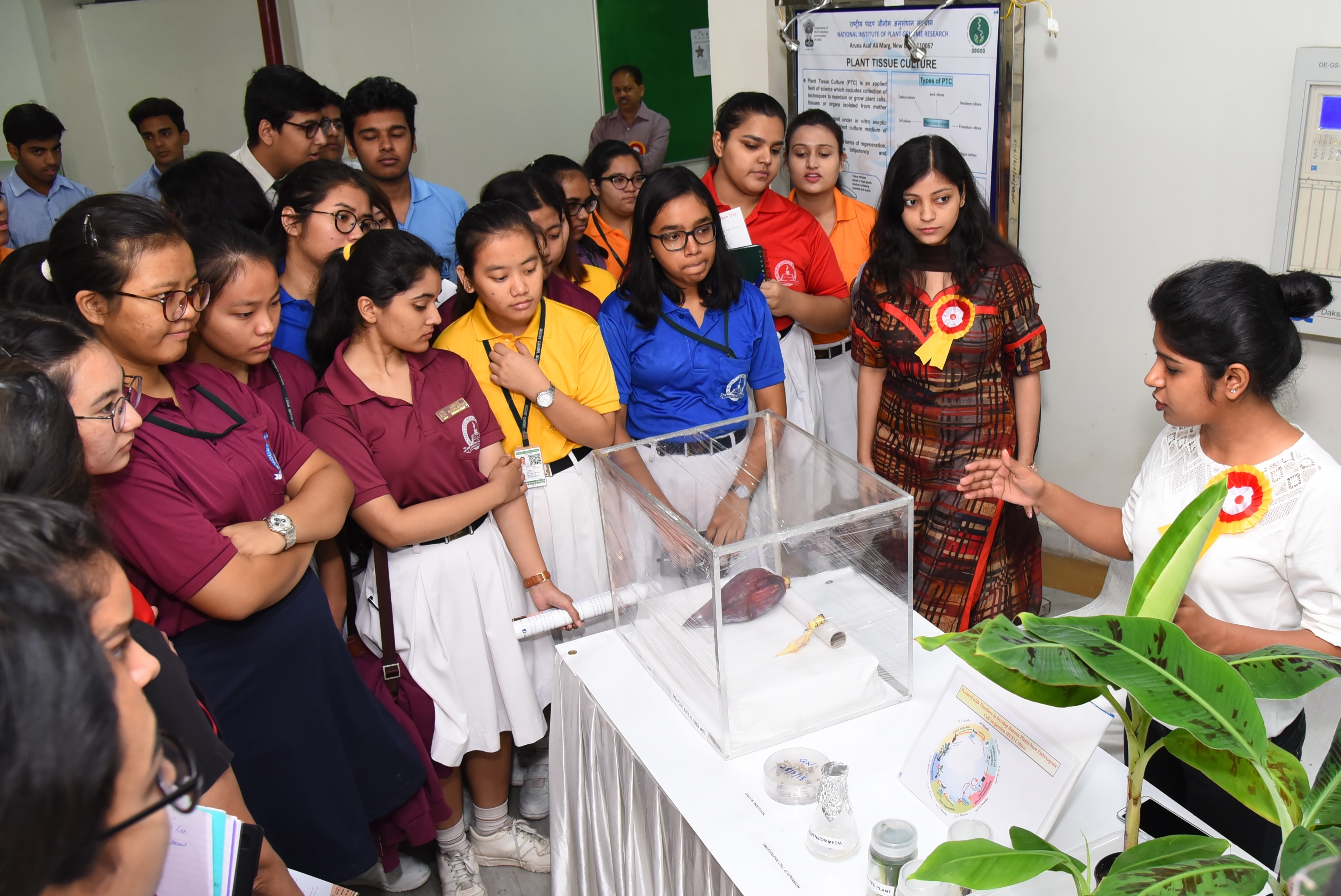
School students got an opportunity to witness the banana plant tissue culture techniques for a better understanding of working with plants in the laboratory. Students were also shown plant cells under the foldscope microscope. They were shown videos clearly demonstrating how plant stem cells look like under advanced microscopes.

Day-Long activities and interactions with NIPGR researchers have sensitized and inspired students and teachers about the opportunities in plant sciences, particularly in plant molecular biology.

By SCISOUP Desk

If you liked this article, then please subscribe to our YouTube Channel for the latest Science & Tech news. You can also find us on Twitter & Facebook.
In this event, a total of 1079 students participated along with their teachers. Among the participant, 958 were school students from 30 different government and private schools and 121 college students from 3 colleges. The NIPGR community presented 31 posters and 18 exhibits on various aspects of life sciences in general and plant sciences in particular.

“The open day is an opportunity for NIPGR to open its doors to the local community and contribute towards inculcating in students a passion for science,” said Prof. Ramesh V. Sonti, Director at NIPGR, New Delhi.

NIPGR scientists, technical specialists, and young researchers explained in very simple language about ongoing plant research activities in the institute. They covered various aspects of plant sciences including photosynthesis, ecological nitrogen fixation, plant-pathogen interactions, crop yield improvement etc.

Various posters, exhibitions, and practical demonstrations like how to isolate DNA from plants, how to visualize protein and DNA in gel etc. were arranged to provide real experiences of a working molecular biology laboratory. The visitors were also provided a tour of the research facilities at NIPGR, where they were explained about the working of various scientific instruments like the Confocal Microscope, automated DNA Sequencer, PCR, Real-time PCR, central instrumentation facility etc.

School students got an opportunity to witness the banana plant tissue culture techniques for a better understanding of working with plants in the laboratory. Students were also shown plant cells under the foldscope microscope. They were shown videos clearly demonstrating how plant stem cells look like under advanced microscopes.

Day-Long activities and interactions with NIPGR researchers have sensitized and inspired students and teachers about the opportunities in plant sciences, particularly in plant molecular biology.

By SCISOUP Desk

If you liked this article, then please subscribe to our YouTube Channel for the latest Science & Tech news. You can also find us on Twitter & Facebook.
" }
New IPCC Report Warns of Marine Heat Waves, Extremely Severe Cyclones

New IPCC Report Warns of Marine Heat Waves, Extremely Severe Cyclones

The Intergovernmental Panel on Climate Change (IPCC) on Wednesday released a Special Report on Oceans and Cryosphere in a Changing Climate. It is the first such report exclusively addressing the impacts of a warming world on the oceans, and cryosphere—the parts of the earth covered by glaciers, sea ice, and permafrost

  • News
  • 2K
Read more

Scientists develop Aerosol Restricting Canopy for Dental Procedures

In the wake of evolving pandemic situation of COVID-19 outbreak in India, the Central Scientific Instruments Organization, has developed “Aerosol Restricting Canopy for Dental Procedures – Safety ARC” in collaboration with the Oral Health Sciences Center, PGIMER, Chandigarh, to assist dental procedures.

  • News
  • 1.8K
Read more
Scientists Develop 'Black Gold' - A Wonder Material

Scientists Develop ‘Black Gold’ – A Wonder Material

Indians are fascinated with gold, making India one of the largest consumers of the yellow metal globally. Now Indian scientists have tinkered with the chemistry of the material and turned it into ‘black gold’ which they say can be potentially used for applications ranging from solar energy harvesting to desalinating seawater

  • News
  • 3.3K
Read more

Internet is huge! Help us find great content

Newsletter

Never miss a thing! Sign up for our newsletter to stay updated.

About

Research Stash is a curated collection of tools and News for S.T.E.M researchers

Have any questions or want to partner with us? Reach us at [email protected]

Navigation

Submit