Study Finds Gaps in Publicly Funded Dialysis Programme

Study Finds Gaps in Publicly Funded Dialysis Programme

  • Research Stash
  • News
  • 1.7K

The incidence of chronic kidney disease is rising rapidly in India. It is ranked as the ninth leading cause of death in India as per the estimates made by a global study in 2016.

Among the response mounted to address the challenge was the national dialysis programme launched in 2014, envisaging setting up dialysis centers in all the districts.

A new study now has shown that though free treatment under a publicly funded dialysis programme could allow more people access this expensive treatment, it would not be able to address all barriers to ensure long-term success.

The study is based on an analysis of 13,118 beneficiaries who received hemodialysis over a period of four years (2008-12) for end-stage kidney disease under the Rajiv Gandhi Aarogyashri Community Health Insurance Scheme (RACHIS) introduced in 2007 by the Government of unified Andhra Pradesh.

It showed that there was a steady rise in the number of persons accessing treatment, confirming a high unmet need for dialysis but survival rates were suboptimal. About 10 percent of all the people who started hemodialysis had died and another 36 percent had stopped coming to dialysis centers after six months.

The study, done by the George Institute for Global Health India, found that the total cost of dialysis-related care was US dollars 63.2 million, accounting for 3.1 percent of all claim expenses under the scheme.

Noting that the high drop-out rate had been noticed in smaller studies conducted earlier too, Professor Vivekanand Jha, Executive Director of the George Institute for Global Health, India, said there appeared to be several additional barriers.

“These could include out-of-pocket expenses for travel to dialysis units; management of associated medical conditions the costs of which were not covered by the scheme; loss of income; and caregiver burden. Exploration of these factors requires additional studies”, he said. The study has been published in journal Kidney International. (India Science Wire)

By Sunderarajan Padmanabhan

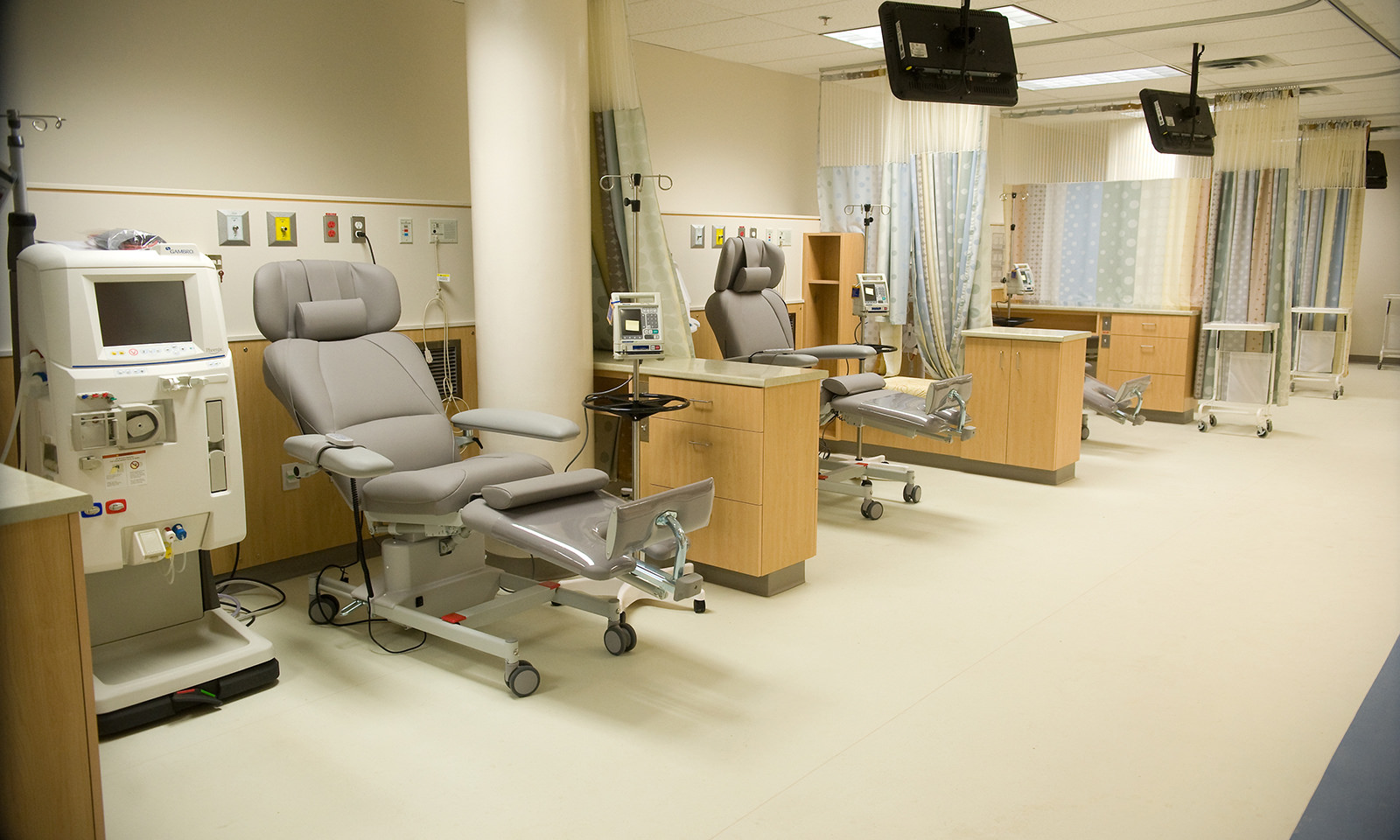
Journal Article [Image Credit, Flickr, peigov]

Utilization, costs, and outcomes for patients receiving publicly funded hemodialysis in India

If you liked this article, then please subscribe to our YouTube Channel for the latest Science & Tech news. You can also find us on Twitter & Facebook.
Rate

The study is based on an analysis of 13,118 beneficiaries who received hemodialysis over a period of four years (2008-12) for end-stage kidney disease under the Rajiv Gandhi Aarogyashri Community Health Insurance Scheme (RACHIS) introduced in 2007 by the Government of unified Andhra Pradesh.

It showed that there was a steady rise in the number of persons accessing treatment, confirming a high unmet need for dialysis but survival rates were suboptimal. About 10 percent of all the people who started hemodialysis had died and another 36 percent had stopped coming to dialysis centers after six months.

The study, done by the George Institute for Global Health India, found that the total cost of dialysis-related care was US dollars 63.2 million, accounting for 3.1 percent of all claim expenses under the scheme.

Noting that the high drop-out rate had been noticed in smaller studies conducted earlier too, Professor Vivekanand Jha, Executive Director of the George Institute for Global Health, India, said there appeared to be several additional barriers.

“These could include out-of-pocket expenses for travel to dialysis units; management of associated medical conditions the costs of which were not covered by the scheme; loss of income; and caregiver burden. Exploration of these factors requires additional studies”, he said. The study has been published in journal Kidney International. (India Science Wire)

By Sunderarajan Padmanabhan

Journal Article [Image Credit, Flickr, peigov]

Utilization, costs, and outcomes for patients receiving publicly funded hemodialysis in India

If you liked this article, then please subscribe to our YouTube Channel for the latest Science & Tech news. You can also find us on Twitter & Facebook.

" }
IIT Madras Research Team that won the ‘SERB-Technology Translation Award’ for their work on White Light Emitters for LED Applications

Researchers Design White Light Emitters for LED Applications

Researchers at the Indian Institute of Technology Madras have successfully developed a white light emitter for use in LEDs. The development of energy-efficient Light Emitting Diodes or LEDs replaced the energy-inefficient incandescent lamps in lighting and display applications. While LEDs have been available in almost all colors, white LEDs are a more recent development.

  • News
  • 1.6K
Read more
CSIR Tops Scientific Research Institutional Ranking

CSIR Tops Scientific Research Institutional Ranking

The Council of Scientific and Industrial Research has been ranked first in the Nature Ranking Index-2020. The rankings are based on total research output which the institutions have carried out from December 01, 2018, to 30th November 2019

  • News
  • 2.3K
Read more
Scientists Find Protein Role in Muscle Disease

Scientists Find Protein Role in Muscle Disease

A research team led by Dr. Linda M. Hendershot and Viraj P. Ichhaporia at St. Jude Children’s Research Hospital, USA, has recently shown that the genetic loss of SIL1 disrupts Endoplasmic Reticulum (ER) homeostasis, leading to a condition of muscle disease

  • News
  • 3.1K
Read more

Internet is huge! Help us find great content

Newsletter

Never miss a thing! Sign up for our newsletter to stay updated.

About

Research Stash is a curated collection of tools and News for S.T.E.M researchers

Have any questions or want to partner with us? Reach us at hello@researchstash.com

Navigation

Submit