
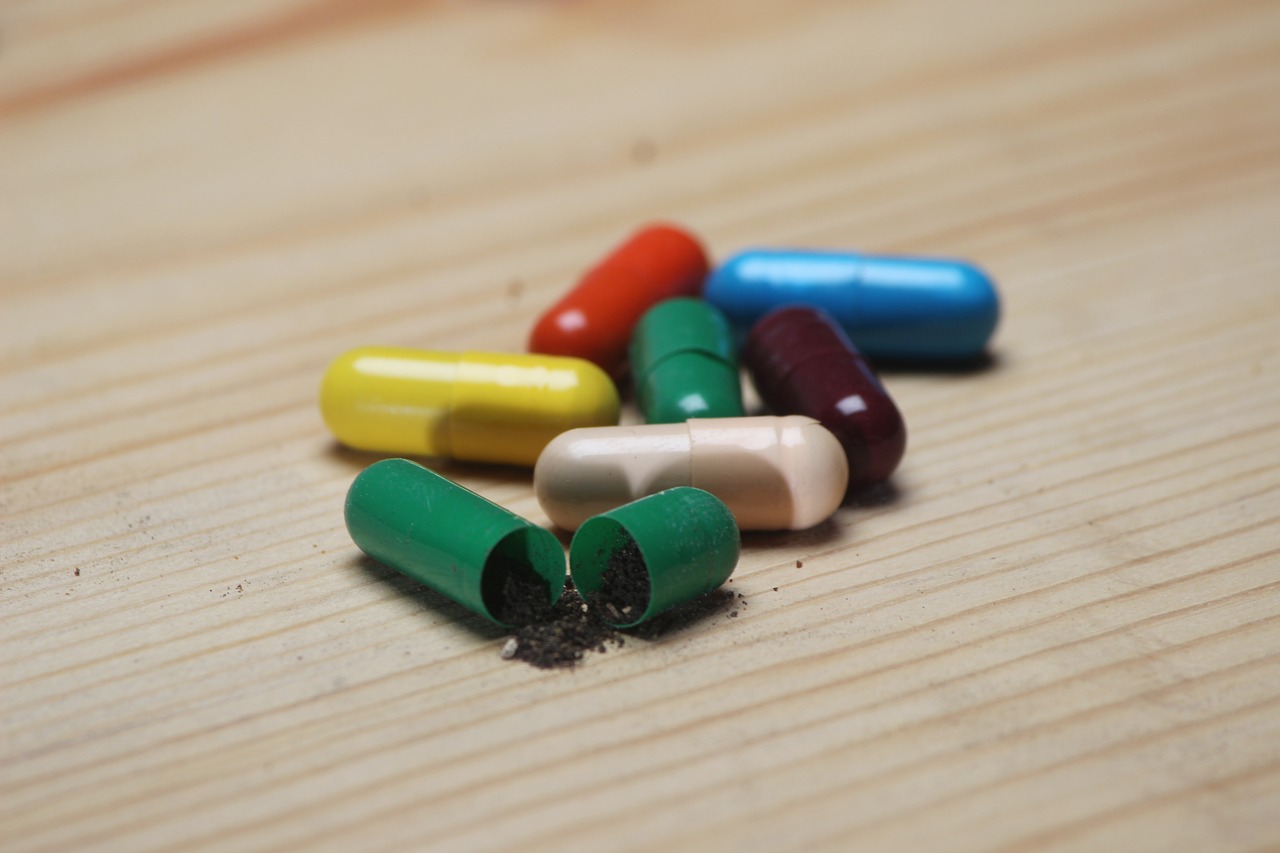
Even Educated Unaware About Proper Use of Antibiotics

Even Educated Unaware About Proper Use of Antibiotics: Survey

  • Research Stash
  • News
  • 2.3K

A new survey has revealed that not just illiterate but even educated people are not aware of the proper use of antibiotics and dangers of antibiotic resistance.

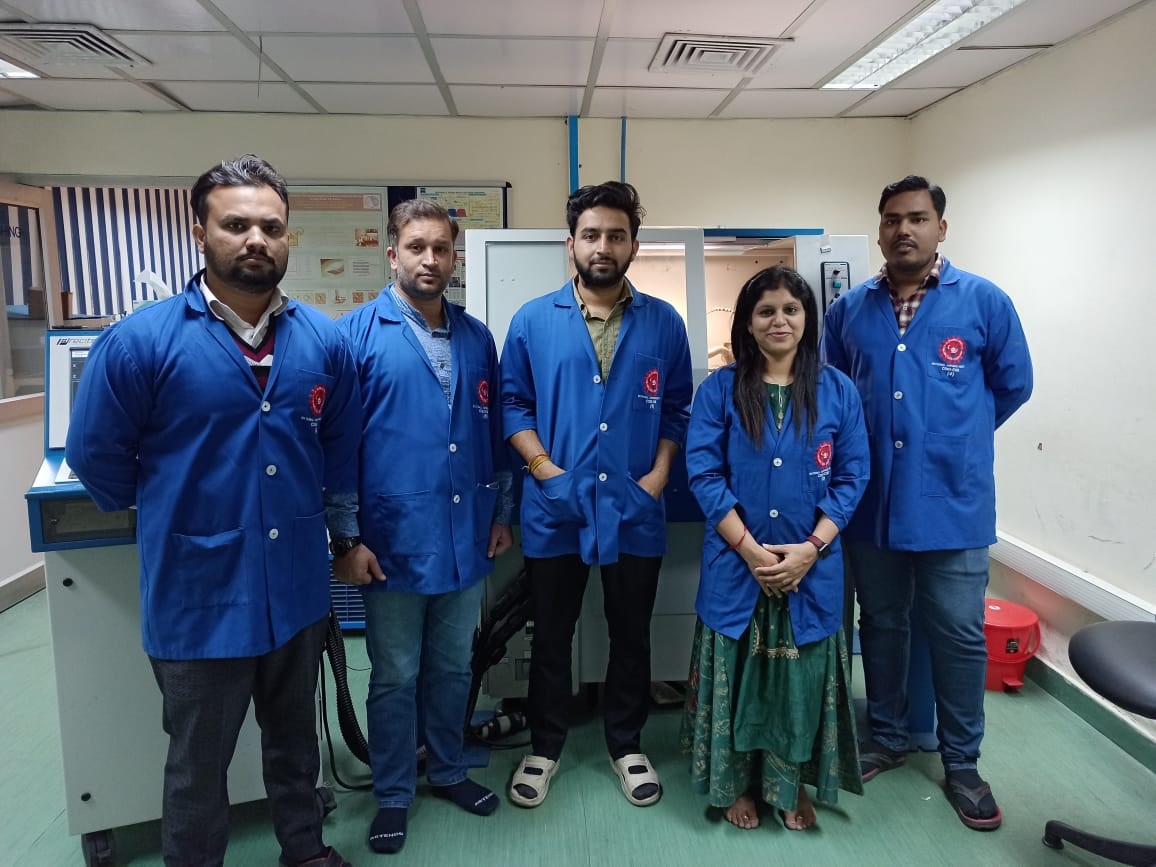
Scientists at Pune-based National Chemical Laboratory conducted the survey with a select group of 504 persons covering all strata sections of society.  Nearly half (47%) of the people were unaware of the difference between over-the-counter drugs and antibiotics.

Researchers at NCL, Pune

Researchers at NCL, Pune

One in four believed that dose-skipping does not contribute to antibiotic resistance, while one in ten practiced self-medication. One in five bought medicines without a prescription or started an antibiotic course by merely calling a doctor without proper medical examination, according to results of the survey published in journal Current Science.

Further, more than half of the postgraduates surveyed were not aware that there was a red line on the medicine strips and this indicates that it is a prescription drug and its over-the-counter sale is not allowed. The situation was worse among less educated respondents – 71% undergraduates and 58.5% graduates were ignorant about the ‘red line’ introduced on antibiotic strips.

Among Illiterates, none had any idea about the significance of the red line or for that matter specificity of antibiotics towards bacterial infection. They neither could differentiate between on the counter sale drugs and antibiotics nor were they aware of antibiotic resistance. They could not differentiate between viral and bacterial infections and were unaware of the fact that antibiotics are not used to cure viral infections. Many respondents were also ignorant about the need to check the expiry date on antibiotic strips.

Excessive antibiotic usage and skipping of prescribed antibiotic dose are major reasons for pathogens developing resistance to antibiotics. But a majority of people tended to skip the dose and even stop the prescribed course once they felt better. The survey indicates that educated population is the highest consumers of antibiotics and self-medication on regular basis was observed in this group.

“The survey results underline the fact that there is a need to educate people about antibiotic usage, disposal, and dangers of irrational use,” said Dr. Anu Raghunathan, who conducted the survey along with her colleague Dr. Deepanwita Banerjee.

“There is a need to implement an educational and public awareness program and to administer appropriate antibiotic control policies which can prohibit the availability of drugs without a medical prescription,” Dr. Raghunathan told India Science Wire. (India Science Wire)

By Dr Vaishali Lavekar

Journal Article

Knowledge, attitude and practice of antibiotic use and antimicrobial resistance: a study post the ‘Red Line’ initiative.

For the latest Science, Tech news and conversations, follow Research Stash on TwitterFacebook, and subscribe to our YouTube channel 

Rate

Researchers at NCL, Pune

One in four believed that dose-skipping does not contribute to antibiotic resistance, while one in ten practiced self-medication. One in five bought medicines without a prescription or started an antibiotic course by merely calling a doctor without proper medical examination, according to results of the survey published in journal Current Science.

Further, more than half of the postgraduates surveyed were not aware that there was a red line on the medicine strips and this indicates that it is a prescription drug and its over-the-counter sale is not allowed. The situation was worse among less educated respondents – 71% undergraduates and 58.5% graduates were ignorant about the ‘red line’ introduced on antibiotic strips.

Among Illiterates, none had any idea about the significance of the red line or for that matter specificity of antibiotics towards bacterial infection. They neither could differentiate between on the counter sale drugs and antibiotics nor were they aware of antibiotic resistance. They could not differentiate between viral and bacterial infections and were unaware of the fact that antibiotics are not used to cure viral infections. Many respondents were also ignorant about the need to check the expiry date on antibiotic strips.

Excessive antibiotic usage and skipping of prescribed antibiotic dose are major reasons for pathogens developing resistance to antibiotics. But a majority of people tended to skip the dose and even stop the prescribed course once they felt better. The survey indicates that educated population is the highest consumers of antibiotics and self-medication on regular basis was observed in this group.

“The survey results underline the fact that there is a need to educate people about antibiotic usage, disposal, and dangers of irrational use,” said Dr. Anu Raghunathan, who conducted the survey along with her colleague Dr. Deepanwita Banerjee.

“There is a need to implement an educational and public awareness program and to administer appropriate antibiotic control policies which can prohibit the availability of drugs without a medical prescription,” Dr. Raghunathan told India Science Wire. (India Science Wire)

By Dr Vaishali Lavekar

Journal Article

Knowledge, attitude and practice of antibiotic use and antimicrobial resistance: a study post the ‘Red Line’ initiative.

For the latest Science, Tech news and conversations, follow Research Stash on TwitterFacebook, and subscribe to our YouTube channel 
" }
How Bushfire Smoke Traveled Around the World

How Bushfire Smoke Traveled Around the World

A study uncovers how some Australian fires produced a spreading stratospheric haze rivaling that of a volcanic eruption

  • News
  • 2.2K
Read more

Scientists A Step Closer To Potential Vaccine against Leptospirosis

Leptospirosis - caused by pathogenic bacteria, Leptospira - led to over one million infections globally in 2015. Availability of an appropriate vaccine could have prevented most of them.

  • News
  • 3.1K
Read more
New Absorbent May Make Diapers Eco-Friendly

New Absorbent May Make Diapers Eco-Friendly

scientists from the Department of Chemistry at Indian Institute of Technology, Madras have developed a biodegradable superabsorbent polymer using chitosan (a kind of sugar extracted from seafood waste), citric acid and urea. This superabsorbent has the capacity – it can absorb 1250 gm of water for each gram of the polymer

  • News
  • 3.4K
Read more

Internet is huge! Help us find great content

Newsletter

Never miss a thing! Sign up for our newsletter to stay updated.

About

Research Stash is a curated collection of tools and News for S.T.E.M researchers

Have any questions or want to partner with us? Reach us at hello@researchstash.com

Navigation

Submit