
NIOT Develops Rapid PCR Kit to Detect Multi Drug Resistant Bacteria

NIOT Develops Rapid PCR Kit to Detect Multi Drug Resistant Bacteria

  • Research Stash
  • News
  • 2.2K

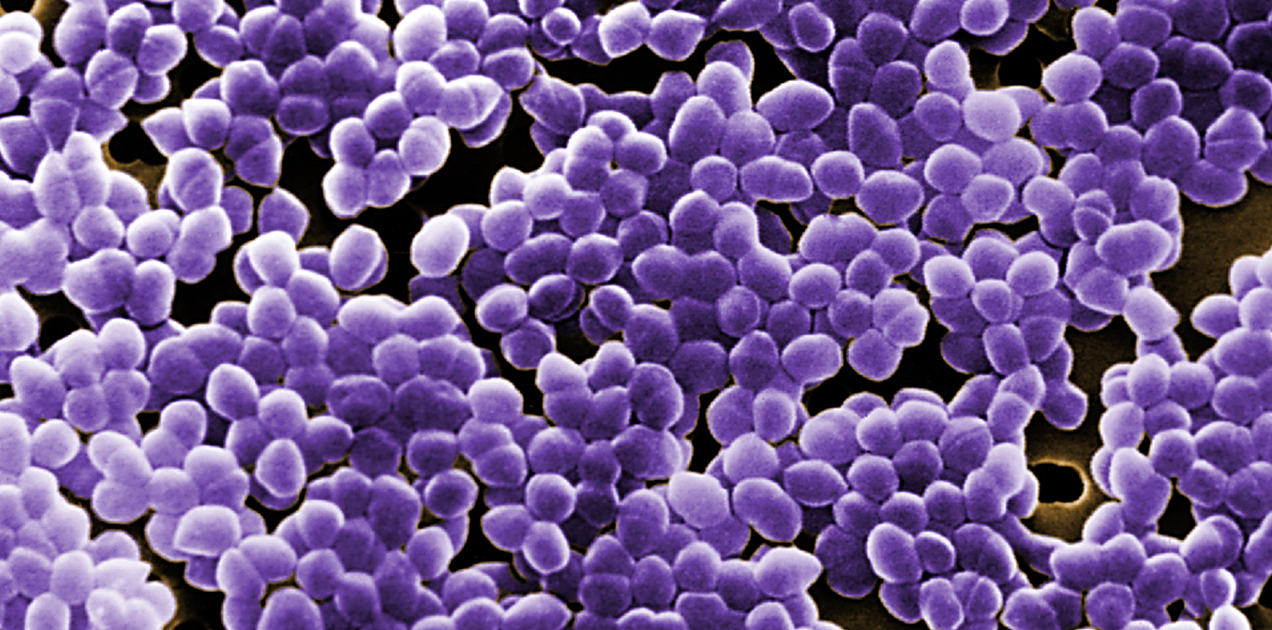
Scientists at the National Institute of Ocean Technology (NIOT), Port Blair, have developed a highly effective kit to detect the multi-drug-resistant (MDR) strains of the gram-positive bacteria Enterococcus faecalis. This tool would enable rapid detection of the virulence of the pathogen in a single step, which would be an important tool not only in the healthcare system but also in anti-bioterrorism measures and environmental monitoring applications.

The result of the study published in the Journal of Microbiological Methods states that the tool would be useful to the food industries where it can be used to maintain the quality and safety of seafood as well as to easily detect the bacteria in the herds of cattle used for milk and thus making the milk products safe.

Enterococcus faecalis (E. faecalis) is a group of gram-positive bacteria that are a common cause of morbidity and motility across the world infecting the urinary tract, bloodstream, endocardium, abdomen, biliary tract, burn wounds, and indwelling foreign devices. These infections can be exceptionally difficult to treat because of the drug resistance of many E. faecalis isolates.

E. faecalisreaches humans from the food chain, mainly through sewage or non-sewage systems. Environmental waters such as agricultural fields, coastal waters, agricultural wells, clinical samples, marine sediment, rivers, and canals are the common source of E. faecalis and E. faecium contamination. These are fecal bacteria that spread rapidly from solid waste passed out of the body of humans or animals. About 90% of the enterococcal (éntero in Greek meaning “intestine” and coccus meaning “granule”) infections in humans are caused by E. faecalis.

By-products obtained from treated sewage wastewater, which are used as fertilizers in the agricultural fields, can be potential sources of multi-drug-resistant strains of E. faecalis, which can easily get entered into the food supply chain. Till now detection and early diagnosis of these bacteria were very time-consuming.

With the development of this multiple Polymer Chain Reaction (PCR) kit, which is highly specific in detecting the disease-causing virulent genes present in the E. faecalis bacteria, namely, gelE (gelatinase), hyl (hyaluronidase), and asa1 (aggregation substance), the rapid detection of the bacteria became possible. In addition to this, the NIOT researchers validated the testing protocol of the PCR kit by using 243 different E. faecalis strains from potentially contaminated sources like marine sediment, marine water, seafood sample, cattle fodder, freshwater sample as well as clinical samples to see the efficacy of rapid detection.

The aggregation of asa1 on the surface of E. faecalis increases the hydrophobicity of E. facecalis cell surface and make the bacteria more stable against antibiotics. The other group of hydrolytic enzymes includes hyaluronidase and gelatinase which also increase the virulence of E. species. For example, hyaluronidase is a degradative enzyme that damages the host tissues facilitating the spread of enterococci as well as their toxins. E. faecalis secretes GelE, which can hydrolyze gelatin, casein, hemoglobin, and other bioactive peptides damaging the host tissues leading to microbial disease.

The authors of the present work stated that the new PCR-based specific bacterial gene diagnostic tools can detect bacteria faster than the traditional method. In the traditional method, bacterial strains are required in higher concentrations involving expensive evaluation techniques and highly trained experts can only evaluate a contaminated sample which is time-consuming. However, this multiple PCRs detection kit developed by NIOT Port Blair is highly sensitive even at a very low concentration of E. faecalis strains to detect the disease-causing genes specific to this specific bacterium.

The new technology developed by NIOT would be very useful in many of the Southeast Asian countries where septic tanks are widely used which are active sources of pathogen dispersal to the groundwater as doubtful contaminated samples can be tested for contamination rapidly and thus bring out policies to build a legal framework to stop the pathogen dispersal effectively.

Led by B. Meena, and L. Anburajan the research team comprised of N. V. Vinithkumara of NIOT, Port Blair, Ministry of Earth Sciences, K. S. Varma of SAAI Electro Biogenic India Pvt. Ltd., Ponneri, Chennai, and R. Kirubagaran, G. Dharani of NIOT, Chennai. (ISW)

If you liked this article, then please subscribe to our YouTube Channel for the latest Science & Tech news. You can also find us on Twitter & Facebook
Rate

E. faecalisreaches humans from the food chain, mainly through sewage or non-sewage systems. Environmental waters such as agricultural fields, coastal waters, agricultural wells, clinical samples, marine sediment, rivers, and canals are the common source of E. faecalis and E. faecium contamination. These are fecal bacteria that spread rapidly from solid waste passed out of the body of humans or animals. About 90% of the enterococcal (éntero in Greek meaning “intestine” and coccus meaning “granule”) infections in humans are caused by E. faecalis.

By-products obtained from treated sewage wastewater, which are used as fertilizers in the agricultural fields, can be potential sources of multi-drug-resistant strains of E. faecalis, which can easily get entered into the food supply chain. Till now detection and early diagnosis of these bacteria were very time-consuming.

With the development of this multiple Polymer Chain Reaction (PCR) kit, which is highly specific in detecting the disease-causing virulent genes present in the E. faecalis bacteria, namely, gelE (gelatinase), hyl (hyaluronidase), and asa1 (aggregation substance), the rapid detection of the bacteria became possible. In addition to this, the NIOT researchers validated the testing protocol of the PCR kit by using 243 different E. faecalis strains from potentially contaminated sources like marine sediment, marine water, seafood sample, cattle fodder, freshwater sample as well as clinical samples to see the efficacy of rapid detection.

The aggregation of asa1 on the surface of E. faecalis increases the hydrophobicity of E. facecalis cell surface and make the bacteria more stable against antibiotics. The other group of hydrolytic enzymes includes hyaluronidase and gelatinase which also increase the virulence of E. species. For example, hyaluronidase is a degradative enzyme that damages the host tissues facilitating the spread of enterococci as well as their toxins. E. faecalis secretes GelE, which can hydrolyze gelatin, casein, hemoglobin, and other bioactive peptides damaging the host tissues leading to microbial disease.

The authors of the present work stated that the new PCR-based specific bacterial gene diagnostic tools can detect bacteria faster than the traditional method. In the traditional method, bacterial strains are required in higher concentrations involving expensive evaluation techniques and highly trained experts can only evaluate a contaminated sample which is time-consuming. However, this multiple PCRs detection kit developed by NIOT Port Blair is highly sensitive even at a very low concentration of E. faecalis strains to detect the disease-causing genes specific to this specific bacterium.

The new technology developed by NIOT would be very useful in many of the Southeast Asian countries where septic tanks are widely used which are active sources of pathogen dispersal to the groundwater as doubtful contaminated samples can be tested for contamination rapidly and thus bring out policies to build a legal framework to stop the pathogen dispersal effectively.

Led by B. Meena, and L. Anburajan the research team comprised of N. V. Vinithkumara of NIOT, Port Blair, Ministry of Earth Sciences, K. S. Varma of SAAI Electro Biogenic India Pvt. Ltd., Ponneri, Chennai, and R. Kirubagaran, G. Dharani of NIOT, Chennai. (ISW)

If you liked this article, then please subscribe to our YouTube Channel for the latest Science & Tech news. You can also find us on Twitter & Facebook
" }
Researchers Develop Transgenic Rice with Reduced Arsenic Accumulation

Researchers Develop Transgenic Rice with Reduced Arsenic Accumulation

Arsenic accumulation in rice grains is one of the serious agricultural issues in India. To address this, researchers at Lucknow- based CSIR-National Botanical Research Institute have developed transgenic rice by inserting a novel fungal gene, which results in reduced arsenic accumulation in rice grain

  • News
  • 3.8K
Read more
Study Warns Kala Azar Patients Can Infect Others Even After Treatment

Study Warns Kala Azar Patients Can Infect Others Even After Treatment

Adding a new dimension to the fight against kala-azar, a study has highlighted the need to keep track of patients even after they are treated successfully to see whether they develop a skin condition called post-kala-azar dermal leishmaniasis down the line

  • News
  • 2.3K
Read more
Women with Breast Cancer May Be Spared from Chemotherapy

Breast Cancer Patients May Be Spared from Chemotherapy

Breast cancer is the most common type of cancer among women worldwide. Research over the past few decades has unlocked many mysteries of this disease leading to the availability of better detection tests and drugs for patients.

  • News
  • 1.8K
Read more

Internet is huge! Help us find great content

Newsletter

Never miss a thing! Sign up for our newsletter to stay updated.

About

Research Stash is a curated collection of tools and News for S.T.E.M researchers

Have any questions or want to partner with us? Reach us at hello@researchstash.com

Navigation

Submit