
CSIR-CFTRI’s Protein-Enriched Biscuits Reach COVID-19 Patients

CSIR-CFTRI’s Protein-Enriched Biscuits Reach COVID-19 Patients

  • Research Stash
  • News
  • 1.7K

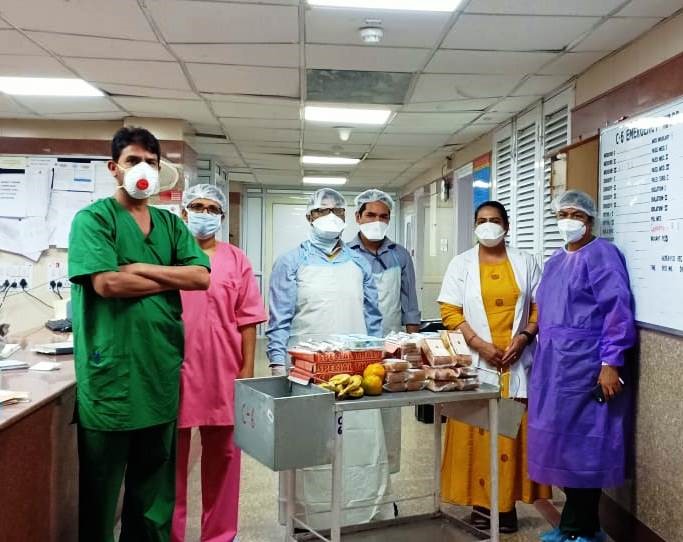
The Mysuru-based CSIR-Central Food Technological Research Institute (CFTRI) has supplied high-protein biscuits to the COVID-19 patients undergoing treatment in the All India Institute of Medical Science (AIIMS), New Delhi.

CFTRI supplied 500 kg of high-protein biscuits and 500 kg of high-protein rusks to the Dietetics department of AIIMS to supply to the patients. The biscuits were supplied on request from the officials of the Institute.

The biscuits contain 14% of protein while usual biscuits contain around 8-9% protein.  “The enriched biscuits will provide the protein needed for recuperating patients”, says Dr. KSMS Raghavarao, Director, CSIR-CFTRI.

“It is also pertinent to mention here that the recipe formulation of the protein-enriched products is being done by the dedicated scientists of CSIR-CFTRI Mysuru and manufactured as per FSSAI regulations.,” says Dr. Parmeet Kaur, Chief Dietician, AIIMS, about the biscuits. COVID patients undergoing treatment in the hospital along with others will be receiving the biscuits as part of their routine diet.

The following ingredients go into the making of the biscuits: whole wheat flour (Atta), wheat flour (Maida), sugar, hydrogenated fat, soya flour, whey protein, soy protein, milk solids, glucose, INS 500II, and INS 503II agents, salt and flavors. A 100-g packet of biscuits clearly packs a punch with its energy quotient of 400 kcal and its nutritional value: carbohydrate (63.2 g), protein (14 g), fat (17.1 g) and minerals (1.2 g).

The biscuits are being manufactured in Noida, Uttar Pradesh, by Seven Seas Private Limited based on the formulation developed by CSIR-CFTRI. The logistic support to supply to the needy is being provided by the Indian Society of Agricultural Professionals, New Delhi. (ISW)

Kollegala Sharma

If you liked this article, then please subscribe to our YouTube Channel for the latest Science & Tech news. You can also find us on Twitter & Facebook.
Rate

“It is also pertinent to mention here that the recipe formulation of the protein-enriched products is being done by the dedicated scientists of CSIR-CFTRI Mysuru and manufactured as per FSSAI regulations.,” says Dr. Parmeet Kaur, Chief Dietician, AIIMS, about the biscuits. COVID patients undergoing treatment in the hospital along with others will be receiving the biscuits as part of their routine diet.

The following ingredients go into the making of the biscuits: whole wheat flour (Atta), wheat flour (Maida), sugar, hydrogenated fat, soya flour, whey protein, soy protein, milk solids, glucose, INS 500II, and INS 503II agents, salt and flavors. A 100-g packet of biscuits clearly packs a punch with its energy quotient of 400 kcal and its nutritional value: carbohydrate (63.2 g), protein (14 g), fat (17.1 g) and minerals (1.2 g).

The biscuits are being manufactured in Noida, Uttar Pradesh, by Seven Seas Private Limited based on the formulation developed by CSIR-CFTRI. The logistic support to supply to the needy is being provided by the Indian Society of Agricultural Professionals, New Delhi. (ISW)

Kollegala Sharma

If you liked this article, then please subscribe to our YouTube Channel for the latest Science & Tech news. You can also find us on Twitter & Facebook.
" }
Study Rings Alarm Bell on Hypertension

Study Rings Alarm Bell on Hypertension

A new study has found that hypertension, which is responsible for heart attack, heart failure, stroke, and many other life-threatening diseases, is spreading rapidly in India, with almost one in every three Indian adults affected by the condition

  • News
  • 2K
Read more
Man-Made Earthquakes Triggered by Fracking and Dams Are Not Localized

Man-Made Earthquakes Triggered by Fracking and Dams Are Not Localized

Seismic activity triggered by human actions like the construction of large dams or injection of wastewater into the ground for oil and gas production can have far greater implications than previously thought, a new study has revealed

  • News
  • 2.5K
Read more
Dr. Anirban Basu with his team.

Scientists Decipher How Japanese Encephalitis Virus Enters Brain Cells

A team of researchers from the National Brain Research Centre have identified proteins that facilitate entry of Japanese Encephalitis virus inside the brain cells

  • News
  • 2.8K
Read more

Internet is huge! Help us find great content

Newsletter

Never miss a thing! Sign up for our newsletter to stay updated.

About

Research Stash is a curated collection of tools and News for S.T.E.M researchers

Have any questions or want to partner with us? Reach us at hello@researchstash.com

Navigation

Submit