

Remedy for Neuropathic Pain Could Be in The Offing

Remedy for Neuropathic Pain Could Be in The Offing

  • Research Stash
  • News
  • 1.7K

A remedy may finally be in the offing for neuropathic pain, which is a form of chronic pain that arises due to neuronal injury because of accidents, amputation, surgeries, cancer, diabetes and other such ailments. Researchers at Bengaluru-based Indian Institute of Science have found that lysozyme, an antibacterial protein that is found in body secretions like tears and saliva could be a leading cause for this type of pain.
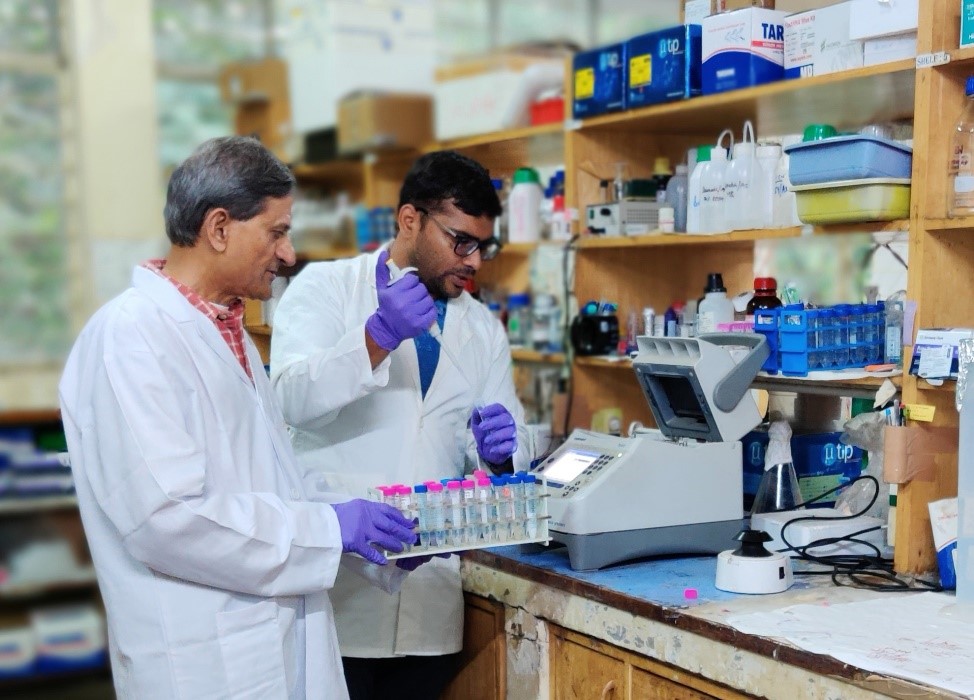
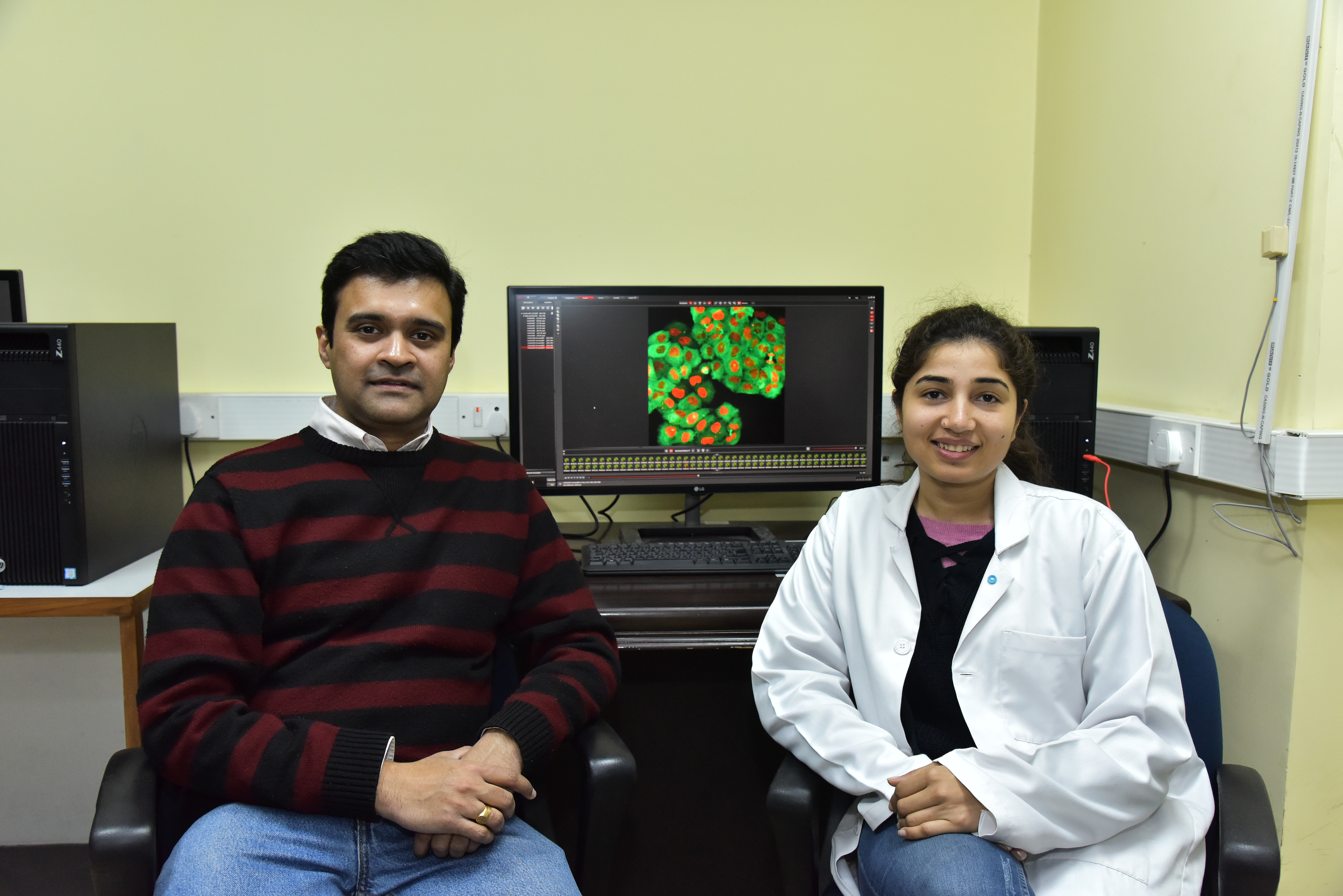
Dr. Avadhesha Surolia and Dr.Saurabh Yadav at their laboratory

Pain is an essential component for the maintenance of the body’s equilibrium as it acts as an alarm against hazardous stimuli and thus helps in avoiding potentially damaging conditions. Neuropathic pain arises because of injury to the neurons themselves. It is difficult to manage it as non-steroid anti-inflammatory drugs, the classical painkillers, are not very effective against it. One needs to use Opioids. They are effective. However, they are addictive and hence, are not widely recommended.

In the new research, the scientists have found that any injury to the neuron led to an increase in the level of lysozyme protein in it and this, in turn, activated a protein called `Toll-like receptor-4‘on the neuronal cell surface leading to development of pain and that application of lysozyme inhibitors subsequently resulted in pain relief. The experiment was conducted on laboratory rat models for pain.

They also observed increased levels of lysozyme protein in spinal cord injury patient’s spinal cord tissues and found that application of lysozyme on human nerve cells results in increased neuronal activity, which is a common condition during neuropathic pain.

Speaking to India Science Wire, leader of the study team and SERB Distinguished Fellow and honorary Professor at the Molecular Biophysics Unit of the Institute, Prof. Avadhesha Surolia, said, “The study may help in advancing our understanding of neuropathic pain and many neurodegenerative disorders such as Alzheimer’s disease, Parkinson’s disease, and Multiple sclerosis also as lysozyme levels are increased in these too”.

He conducted the study with his colleague, Dr. Saurabh Yadav. The two have published a report on their work in Science Translational Medicine. (ISW)

Sunderarajan Padmanabhan

If you liked this article, then please subscribe to our YouTube Channel for the latest Science & Tech news. You can also find us on Twitter & Facebook.

Rate

They also observed increased levels of lysozyme protein in spinal cord injury patient’s spinal cord tissues and found that application of lysozyme on human nerve cells results in increased neuronal activity, which is a common condition during neuropathic pain.

Speaking to India Science Wire, leader of the study team and SERB Distinguished Fellow and honorary Professor at the Molecular Biophysics Unit of the Institute, Prof. Avadhesha Surolia, said, “The study may help in advancing our understanding of neuropathic pain and many neurodegenerative disorders such as Alzheimer’s disease, Parkinson’s disease, and Multiple sclerosis also as lysozyme levels are increased in these too”.

He conducted the study with his colleague, Dr. Saurabh Yadav. The two have published a report on their work in Science Translational Medicine. (ISW)

Sunderarajan Padmanabhan

If you liked this article, then please subscribe to our YouTube Channel for the latest Science & Tech news. You can also find us on Twitter & Facebook.
" }
Wellcome TrustDBT India Alliance Calls Applications for Senior and Intermediate Fellowships

Wellcome Trust/DBT India Alliance Calls Applications for Senior and Intermediate Fellowships

The Wellcome Trust/DBT India Alliance has called for applications for its Senior and Intermediate Fellowships under the track of Basic Biomedical Research

  • News
  • 2.1K
Read more
Scientists Present New Regulatory Clues to Mammalian Cell Division

Scientists Present New Regulatory Clues to Mammalian Cell Division

Researchers have revealed the regulatory role of a protein in the process of cell cycle progression and separation of newly formed mammalian cells. This study may help to understand uncontrolled cell division related cues because many regulatory proteins of the cell cycle, such as the one that reported in this study, are mutated in cancer cells.

  • News
  • 4.8K
Read more
Research Stash Weekly Review #50

Research Stash Weekly Review #50

Weekly Review #50 – Summary of the latest news in science and technology research across the world, carefully handpicked by team Research Stash

Read more

Internet is huge! Help us find great content

Newsletter

Never miss a thing! Sign up for our newsletter to stay updated.

About

Research Stash is a curated collection of tools and News for S.T.E.M researchers

Have any questions or want to partner with us? Reach us at hello@researchstash.com

Navigation

Submit