
Wheat Varieties Susceptible To New Strains Of Yellow Rust Fungus

Wheat Varieties Susceptible To New Strains Of Yellow Rust Fungus

  • Research Stash
  • News
  • 2K

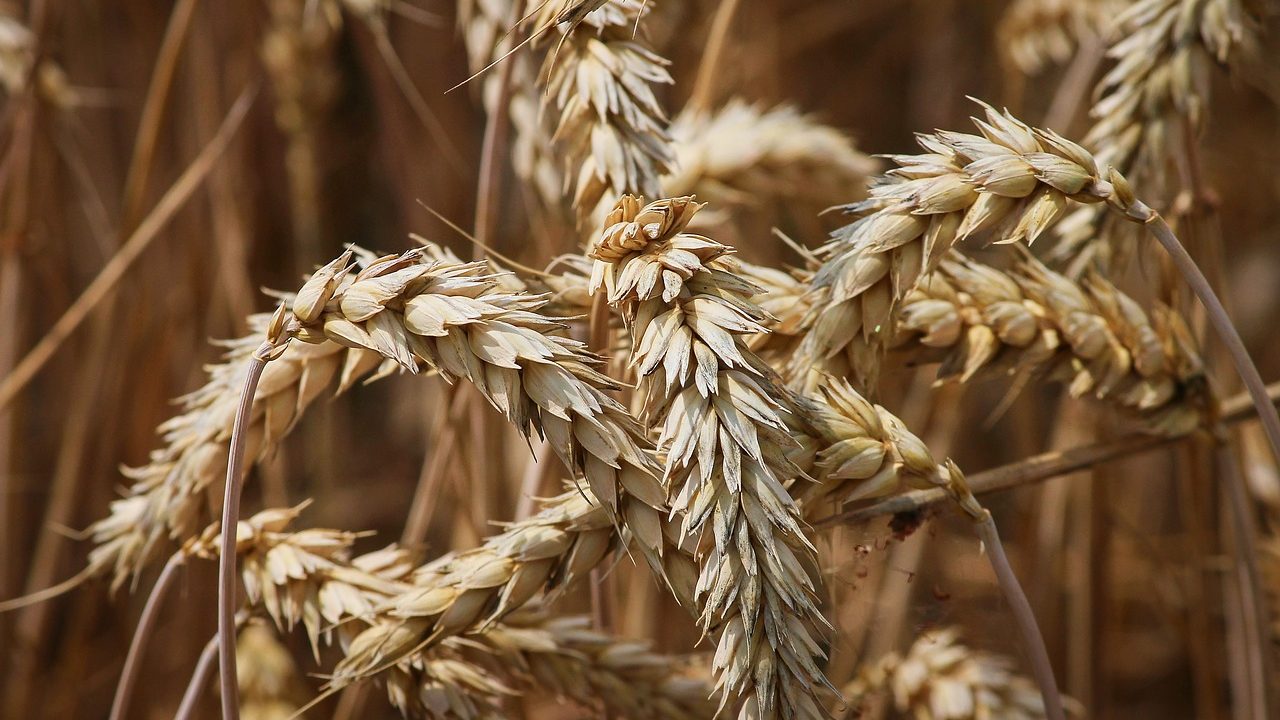
Agriculture scientists have cautioned about likely spread of extremely virulent strains of fungus that causes yellow rust in wheat to which currently used wheat cultivars show high susceptibility. The situation is particularly grim as the bread wheat cultivar HD267 that currently occupies 10 to 12 million hectare area is susceptible to these new strains.

Yellow rust disease of wheat, also known as stripe rust of wheat, is a disease caused by fungus Puccinia frequently found in cold wheat-growing regions such as North Western Plains Zone and Northern Hills Zone. This infection which causes reduction of kernel numbers per spike and decreases the weight of wheat kernels is capable of causing up to 70% decline in wheat yields.

Currently used wheat cultivars in India have a part of rye chromosome which confers resistance to yellow rust and powdery mildew disease. Over the years, the strains of fungus which can infect these resistant cultivars have become prominent and are spreading. Although fungicides such as propiconazole, tebuconazole, and triadimefon are being used for combating yellow rust of wheat, the imparting genetic resistance to plants is preferred as it is a cheap, effective and eco-friendly way of fighting plant diseases.

Scientists from ICAR-Indian Institute of Wheat and Barley Research (IIWBR) at Shimla and Karnal have identified three new extremely virulent strains of this fungus capable of causing severe loss to wheat productivity in India. First detected in India during 2013-2014, these three strains (110S119, 238S119, and 110S84) are now aggressively growing in numbers.

To better understand the evolution of this resistance, scientists have studied the composition of a part of their genomes to understand their relationship with other fungal strains. Such genetic cataloging of pathogens also aids in keeping a track of spread and damage caused by a particular strain.

Further, scientists tested 56 newly released varieties of wheat for resistance against these new strains. For this, the seeds of these varieties were grown and the seedlings were infected with these strains. To their dismay, none of the newly released variety was found to be resistant to all resistant strains.

Scientists also screened 64 new advanced lines of wheat for resistance and found that 11 of them were resistant to these newly emerged resistant fungal strains. Deployment of these advance lines can help to fight these newly emerged pathogens.

“To combat these new strains, we are ready with the resistance sources and at the same time regularly screening ‘advance varietal trial’ material. Our regional station keeps a watch on the occurrence of new races and is designing strategies for management of new virulent strains,” said Dr. Subhash Chander Bhardwaj, member of the research team and a scientist at IIWBR Shimla, while speaking to India Science Wire.

The study results have been published in the Journal of Plant Pathology. The research team from Shimla included Om Prakash Gangwar, Subodh Kumar, Pramod Prasad, and Subhash Chander Bhardwaj; and Prem Lal Kashyap and Hanif Khan from Karnal. (India Science Wire)

By Dr. Aditi Jain

If you liked this article, then please subscribe to our YouTube Channel for the latest Science & Tech news. You can also find us on Twitter & Facebook.

Rate

Scientists from ICAR-Indian Institute of Wheat and Barley Research (IIWBR) at Shimla and Karnal have identified three new extremely virulent strains of this fungus capable of causing severe loss to wheat productivity in India. First detected in India during 2013-2014, these three strains (110S119, 238S119, and 110S84) are now aggressively growing in numbers.

To better understand the evolution of this resistance, scientists have studied the composition of a part of their genomes to understand their relationship with other fungal strains. Such genetic cataloging of pathogens also aids in keeping a track of spread and damage caused by a particular strain.

Further, scientists tested 56 newly released varieties of wheat for resistance against these new strains. For this, the seeds of these varieties were grown and the seedlings were infected with these strains. To their dismay, none of the newly released variety was found to be resistant to all resistant strains.

Scientists also screened 64 new advanced lines of wheat for resistance and found that 11 of them were resistant to these newly emerged resistant fungal strains. Deployment of these advance lines can help to fight these newly emerged pathogens.

“To combat these new strains, we are ready with the resistance sources and at the same time regularly screening ‘advance varietal trial’ material. Our regional station keeps a watch on the occurrence of new races and is designing strategies for management of new virulent strains,” said Dr. Subhash Chander Bhardwaj, member of the research team and a scientist at IIWBR Shimla, while speaking to India Science Wire.

The study results have been published in the Journal of Plant Pathology. The research team from Shimla included Om Prakash Gangwar, Subodh Kumar, Pramod Prasad, and Subhash Chander Bhardwaj; and Prem Lal Kashyap and Hanif Khan from Karnal. (India Science Wire)

By Dr. Aditi Jain

If you liked this article, then please subscribe to our YouTube Channel for the latest Science & Tech news. You can also find us on Twitter & Facebook.

" }
New Method Developed to Measure Soil Erosion

New Method Developed to Measure Soil Erosion

Scientists have developed a method to measure the rate of soil erosion and associated decrease in organic content in soil by assessing levels of radioactive cesium in soil. This method can help in monitoring the effects of soil erosion and the effectiveness of soil conservation strategies.

  • News
  • 1.8K
Read more

Astrosat Discovers Ultraviolet Wings of Butterfly Nebula

Indian astrophysicists have discovered large ultraviolet lobes and jets that were hurled out from a dying star, using data from AstroSat – space observatory launched by the Indian Space Research Organisation (ISRO) in 2015

  • News
  • 3.7K
Read more
Study Identifies Gene That Could Help Fight Lethal Infection Candidiasis

Study Identifies Gene That Could Help Fight Lethal Infection Candidiasis

A team of researchers from Bengaluru-based Jawaharlal Nehru Centre for Advanced Scientific Research has identified a gene that holds the key to preventing the fungal infection Candidiasis that often affects intensive-care unit patients, cancer patients and patients receiving immunosuppressive therapy.

  • News
  • 3.4K
Read more

Internet is huge! Help us find great content

Newsletter

Never miss a thing! Sign up for our newsletter to stay updated.

About

Research Stash is a curated collection of tools and News for S.T.E.M researchers

Have any questions or want to partner with us? Reach us at hello@researchstash.com

Navigation

Submit