Day Temperature, Not Day Light, Influences Beans Flowering

Day Temperature, Not Day Light, Influences Beans Flowering

  • Research Stash
  • News
  • 1.7K

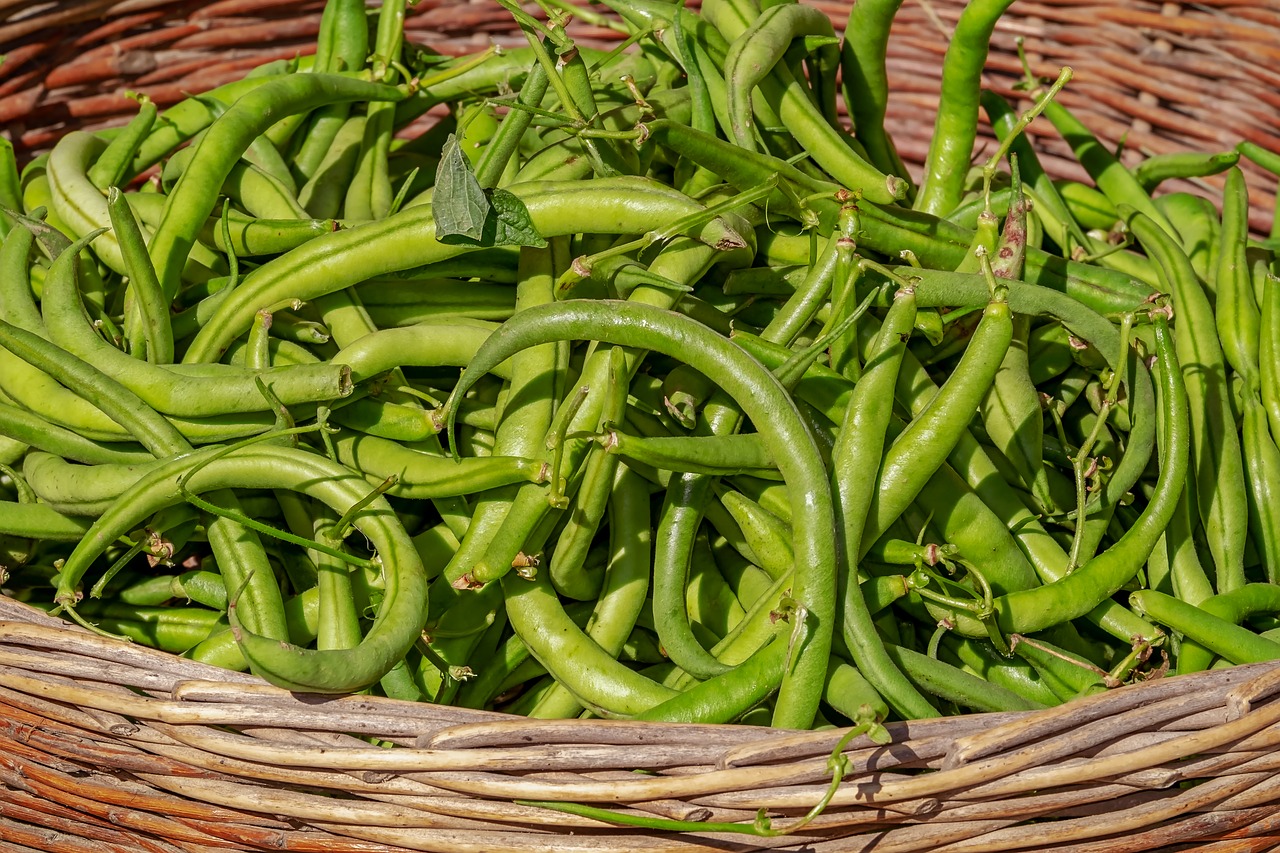
Sem beans is a commonly grown and consumed vegetable in many parts of the country. It grows and flowers mostly in winter months. Agriculture scientists have now figured out factors that drive this pattern of flowering in sem.

Researchers at the University of Agricultural Sciences, Bengaluru, have found that it is the day temperature – rather than daylight – that triggers the onset of flowering in sem beans (Lablab purpureus). The information may help farmers in planting right varieties to optimize yields in the future.

Annual plants like sem beans and peas flower only once a year. Till now it was believed that both temperature and the length of the day – the so-called photoperiod – determine the time required for the plants to grow and flower.

“Our study indicates that there is a significant role for both photoperiod and temperature but the temperature has a greater role than photoperiod in controlling the time for the flowering of the bean,” researchers have pointed out in their study published in journal Current Science.

The team conducted experiments on ten varieties of sem. Half of them were photosensitive – growing and flowering only during winter – while the rest photo-insensitive, which could grow in all seasons.  All varieties were grown under controlled conditions and the time taken by each of them to flower was monitored.  Researchers also noted the duration of sunlight, from sunrise to sunset, on all the days of growth, and the average day temperatures.

From the collected data, they calculated the base temperature below which the plant growth is affected and Growth Degree Days (GDD) or the cumulative temperature required for each variety to flower. GDD was calculated by a formula which uses average day temperature and the number of days a plant took to flower.

In addition, researchers calculated critical, optimum and maximum temperatures and photoperiods for different plants. The critical temperature is the one required for flowering to occur and the maximum temperature is the one beyond which flowering does not happen.

“The photosensitive and photo-insensitive varieties were found to differ significantly from each other in terms of base and optimum temperatures, besides GDD and the time needed to flower. But they had almost similar critical minimum, maximum and optimum photoperiod”, the study notes.

“It is an interesting study. We knew both photoperiodism and temperature are important factors in flowering, but the finding that temperature is more critical than photoperiodism is new,” commented Dr. Vasanth Thimakapura, an agro-technologist working on sem. “Any stress induces flowering in plants, and the high or low temperature is a stress,” he said.

The study, scientists say, will help determine how different varieties respond to variation in photoperiod and temperature. Consequently, it should be possible to predict the time required for flowering. Farmers can plan sowing and harvesting accordingly. “The reliable prediction of time to flowering helps optimize the choice of cultivars to get a harvest at a particular time,” the study says.

The research team included Dr. K M Keerthi, S. Ramesh, M. Byregowda, A. Mohan Rao and G. A. Mary Reena of the University of Agricultural Sciences. (India Science Wire)

By Kollegala Sharma

If you liked this article, then please subscribe to our YouTube Channel for the latest Science & Tech news. You can also find us on Twitter & Facebook.

“Our study indicates that there is a significant role for both photoperiod and temperature but the temperature has a greater role than photoperiod in controlling the time for the flowering of the bean,” researchers have pointed out in their study published in journal Current Science.

The team conducted experiments on ten varieties of sem. Half of them were photosensitive – growing and flowering only during winter – while the rest photo-insensitive, which could grow in all seasons.  All varieties were grown under controlled conditions and the time taken by each of them to flower was monitored.  Researchers also noted the duration of sunlight, from sunrise to sunset, on all the days of growth, and the average day temperatures.

From the collected data, they calculated the base temperature below which the plant growth is affected and Growth Degree Days (GDD) or the cumulative temperature required for each variety to flower. GDD was calculated by a formula which uses average day temperature and the number of days a plant took to flower.

In addition, researchers calculated critical, optimum and maximum temperatures and photoperiods for different plants. The critical temperature is the one required for flowering to occur and the maximum temperature is the one beyond which flowering does not happen.

“The photosensitive and photo-insensitive varieties were found to differ significantly from each other in terms of base and optimum temperatures, besides GDD and the time needed to flower. But they had almost similar critical minimum, maximum and optimum photoperiod”, the study notes.

“It is an interesting study. We knew both photoperiodism and temperature are important factors in flowering, but the finding that temperature is more critical than photoperiodism is new,” commented Dr. Vasanth Thimakapura, an agro-technologist working on sem. “Any stress induces flowering in plants, and the high or low temperature is a stress,” he said.

The study, scientists say, will help determine how different varieties respond to variation in photoperiod and temperature. Consequently, it should be possible to predict the time required for flowering. Farmers can plan sowing and harvesting accordingly. “The reliable prediction of time to flowering helps optimize the choice of cultivars to get a harvest at a particular time,” the study says.

The research team included Dr. K M Keerthi, S. Ramesh, M. Byregowda, A. Mohan Rao and G. A. Mary Reena of the University of Agricultural Sciences. (India Science Wire)

By Kollegala Sharma

If you liked this article, then please subscribe to our YouTube Channel for the latest Science & Tech news. You can also find us on Twitter & Facebook.
" }
Surprise! India and China Are Greening Faster Than Rest of the World

Surprise! India and China Are Greening Faster Than Rest of the World

China and India – two economic powerhouses of Asia – are contributing significantly to the greening of the planet, a new global study released on Monday has found

  • News
  • 2.9K
Read more
Indian Scientists Working To Unravel Rare Type of Diarrhea

Indian Scientists Working To Unravel Rare Type of Diarrhea

Diarrhea is normally caused by bacterial, viral or parasitic organisms. The disease could be prolonged or last for a few days. Provision of safe drinking water and use of improved sanitation and handwashing with soap can significantly reduce the risk of infection.

  • News
  • 2.2K
Read more
Coral reefs in Gulf of Mannar

Invasive Marine Sponge Found In Gulf of Mannar

Coral reefs in the Gulf of Mannar in Tamil Nadu are facing a new threat. Researchers have found that an invasive marine sponge species, Terpios hoshinota, is growing aggressively over live coral colonies in Van Island in the Mannar Bay, which could prove fatal for coral reefs there.

  • News
  • 3.5K
Read more

Internet is huge! Help us find great content

Newsletter

Never miss a thing! Sign up for our newsletter to stay updated.

About

Research Stash is a curated collection of tools and News for S.T.E.M researchers

Have any questions or want to partner with us? Reach us at [email protected]

Navigation

Submit