

Antibiotic Resistant Genes Found In Kerala Mangrove Ecosystem

Antibiotic Resistant Genes Found In Kerala Mangrove Ecosystem

  • Research Stash
  • News
  • 2.6K

Antibiotic resistance is increasing in various microbial populations. A new study by Indian researchers has revealed that antibiotic-resistant genes are present in micro-organisms of mangrove regions in Kerala also.
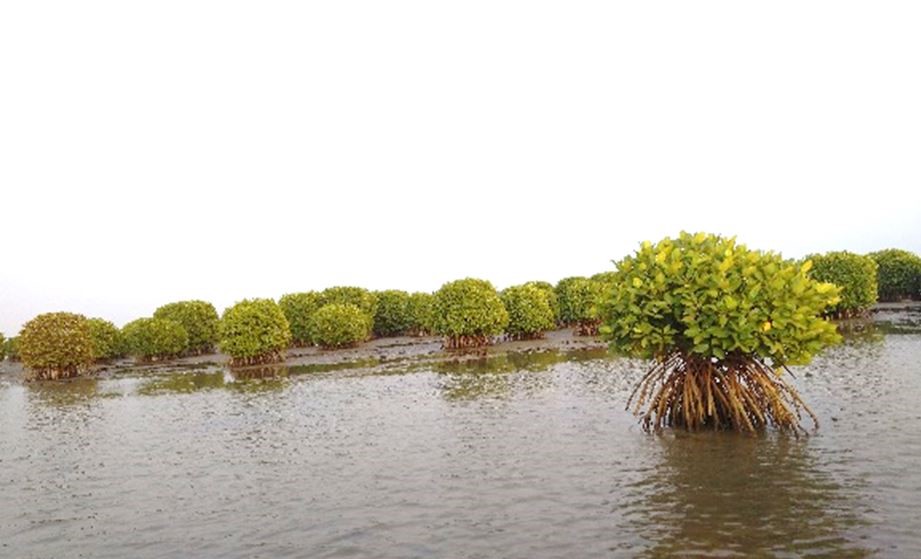
Mangrove forest located in the coastal regions of Kerala

Mangrove forest located in the coastal regions of Kerala

The researchers, who conducted the studies in four locations along Kerala coast, have found acrylflavine, fluoroquinolone, beta-lactamase and methicillin-resistant genes in microbial populations in mangrove ecological systems. The genes having resistance to antibiotics have been found both in pristine environmental sites and regions affected by human activities.
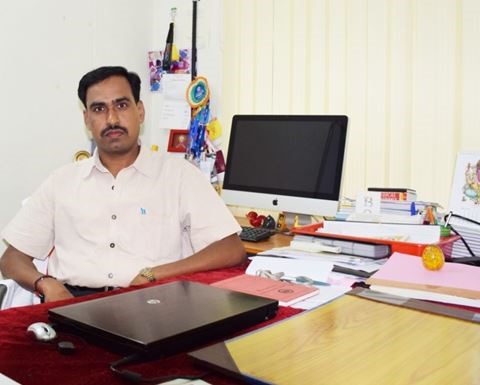
Dr. Ranjeet Kumawat, Scientist- Kerala Central University

Dr. Ranjit Kumavath, senior assistant professor, Department of Genomic Science at Kerala Central University, and a key member of the research team, told India Science Wire that “there could be serious consequences if antibiotic resistant genes move from the harmless microbes to pathogens. Further study is currently being designed to evaluate such dissemination. The widespread existence of antibiotic-resistant genes is a warning bell as it is indicating a new source of antimicrobial resistance”.

The study included metagenomic profiles of mangrove sediment samples. In order to identify the microbes, next-generation sequencing techniques were used by which one can identify millions of micro-organisms easily and rapidly without the need to grow any microbes in the laboratory.

Microbial diversity is one of the numerous benefits of mangroves. However, mangrove ecosystem is steadily depleting across the world due to urbanization, deforestation, pollution and other human activities. Household, as well as industrial waste, has made the mangrove ecosystem inhospitable to a number of animals, birds, and fishes. Preservation of mangroves should be encouraged and maintained.

The research team consisted of Madangchanok Imchen (Kerala Central University, Kasaragod, Kerala), Debmalya Barh (Institute of Integrative Omics and Applied Biotechnology, Purba Medinipur, West Bengal), Vasco Azevedo, Aline Vaz, Aristóteles Góes-Neto and Sandeep Tiwari (Federal University of Minas Gerais, Brazil), Preetam Ghosh (Virginia Commonwealth University, USA) and Alice R. Wattamand (Virginia Tech University, USA). Results of the study have been published in journal Scientific Reports. The study was funded by the Science and Engineering Research Board (SERB). (India Science Wire)

By Umashankar Mishra

Journal Reference

Comparative mangrove metagenome reveals global prevalence of heavy metals and antibiotic resistome across different ecosystems

If you liked this article, then please subscribe to our YouTube Channel for the latest Science and Tech news. You can also find us on Twitter and Facebook.
Rate

The researchers, who conducted the studies in four locations along Kerala coast, have found acrylflavine, fluoroquinolone, beta-lactamase and methicillin-resistant genes in microbial populations in mangrove ecological systems. The genes having resistance to antibiotics have been found both in pristine environmental sites and regions affected by human activities.

Dr. Ranjeet Kumawat, Scientist- Kerala Central University

Dr. Ranjit Kumavath, senior assistant professor, Department of Genomic Science at Kerala Central University, and a key member of the research team, told India Science Wire that “there could be serious consequences if antibiotic resistant genes move from the harmless microbes to pathogens. Further study is currently being designed to evaluate such dissemination. The widespread existence of antibiotic-resistant genes is a warning bell as it is indicating a new source of antimicrobial resistance”.

The study included metagenomic profiles of mangrove sediment samples. In order to identify the microbes, next-generation sequencing techniques were used by which one can identify millions of micro-organisms easily and rapidly without the need to grow any microbes in the laboratory.

Microbial diversity is one of the numerous benefits of mangroves. However, mangrove ecosystem is steadily depleting across the world due to urbanization, deforestation, pollution and other human activities. Household, as well as industrial waste, has made the mangrove ecosystem inhospitable to a number of animals, birds, and fishes. Preservation of mangroves should be encouraged and maintained.

The research team consisted of Madangchanok Imchen (Kerala Central University, Kasaragod, Kerala), Debmalya Barh (Institute of Integrative Omics and Applied Biotechnology, Purba Medinipur, West Bengal), Vasco Azevedo, Aline Vaz, Aristóteles Góes-Neto and Sandeep Tiwari (Federal University of Minas Gerais, Brazil), Preetam Ghosh (Virginia Commonwealth University, USA) and Alice R. Wattamand (Virginia Tech University, USA). Results of the study have been published in journal Scientific Reports. The study was funded by the Science and Engineering Research Board (SERB). (India Science Wire)

By Umashankar Mishra

Journal Reference

Comparative mangrove metagenome reveals global prevalence of heavy metals and antibiotic resistome across different ecosystems

If you liked this article, then please subscribe to our YouTube Channel for the latest Science and Tech news. You can also find us on Twitter and Facebook.

" }
Food Processing Training Program for Budding Entrepreneurs

Food Processing Training Program for Budding Entrepreneurs

CSIR_CFTRI has planned to conduct a series of capacity building and training programs on food processing for the benefit of aspiring and budding entrepreneurs from SC/ST community of local areas and nearby aspirational districts entrepreneurs

  • News
  • 4.3K
Read more

Scientists Meet to Understand Solar Cycle Better

Influence of the Sun on the Earth is modulated by solar activity cycle. The 11-year cycle is one of the most striking phenomena in solar physics and has fascinated both specialists and laymen for centuries.

  • News
  • 3.2K
Read more
Telamonia exhibiting araneophagy (Photo Somnath Kumbhar)

A Peek into Secret Lives of Indian Spiders

India is home to several unique species of spiders — some are known to science, while many others are yet to be discovered. According to an estimate, India is home to 59 families of spiders. Although spiders are often discussed based on their regional distribution – such as South Indian spiders and so on, they are not bound by these territories and can be found all over

  • News
  • 3.7K
Read more

Internet is huge! Help us find great content

Newsletter

Never miss a thing! Sign up for our newsletter to stay updated.

About

Research Stash is a curated collection of tools and News for S.T.E.M researchers

Have any questions or want to partner with us? Reach us at hello@researchstash.com

Navigation

Submit