Arsenic May Help Kill Liver Cancer Cells

Arsenic May Help Kill Liver Cancer Cells

  • Research Stash
  • News
  • 2.6K

Liver cancer or hepatocellular carcinoma is caused by the uncontrollable growth of liver cells. It has the lowest survival rate and, according to a recent WHO report, is among the top five most prevalent fatal cancers.

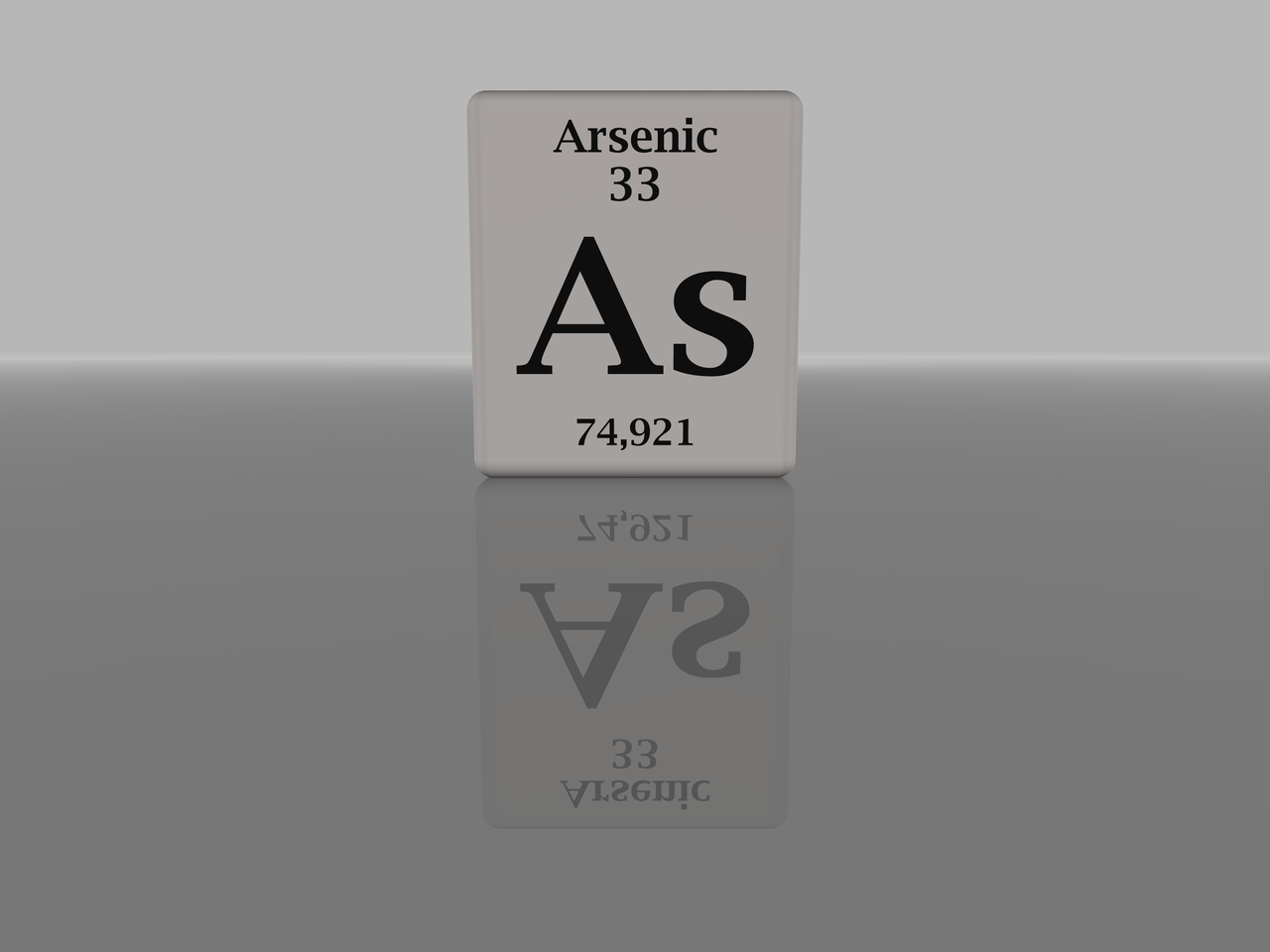
A new study by a collaborative team of researchers from India and America has found that Arsenic Trioxide – a naturally occurring metalloid – may be helpful in inducing cell death and also halt the growth of liver cancer cells.

Apoptosis or cell death is a process in which a programmed sequence of events results in cell death without releasing harmful substances into surrounding areas. Apoptosis is important for developing and maintaining the health of the body by eliminating old, unnecessary and unhealthy cells.

In this study, laboratory-grown cancer cells and normal cells were treated with different concentration of arsenic oxide followed by observation and analysis of the cell behavior. Scientists noticed changes in cell shape of both types of cells and they appeared round in shape as compared to elongated in untreated cells. It was also seen that cells detached themselves from the surfaces and formed a clump, and more number of clumps were seen in cancerous cells compared to normal cells.

This made scientists conclude that arsenic trioxide helps in altering the apoptotic and anti-apoptotic protein and it also influences numerous signaling pathways, particularly by suppressing an anti-apoptotic protein called Bcl-xL.

Arsenic is known for its toxicity and carcinogenic nature but scientists say that this very nature of it can be exploited to kill liver cancer cells. “Throughout history, arsenic has been known both as a ‘healer’ and a ‘poisoner’. It holds a place in medical history too, particularly in the treatment of two great scourges of early times – trypanosomiasis or ‘sleeping sickness’ and syphilis,” explained Nadra Sadaf, a member of the research team, while talking to India Science Wire.

“We have proved mechanistically that arsenic-induced more cells death in liver cancer cell lines as compared to normal liver cells lines. This finding suggests that it could be a promising potential therapeutic agent against liver cancer which needs further testing by the in-vivo investigation,” said Dr. Rizwanul Haque, Associate Professor of Biotechnology at the Central University of South Bihar, who led the study.

Researchers determined the cell viability i.e. the number of cells that were alive and found that viable cells in liver were decreasing on increasing the incubation time and concentration of Arsenic which indicates that Arsenic have anti-proliferative property.

“Arsenic trioxide is already in use as a chemotherapeutic agent to treat acute promyelocytic leukemia. What matters is the dose, which decides whether it will act as a carcinogen or drug,” commented Dr. C. Thirunavukkarasu, assistant professor in biochemistry and molecular biology at Pondicherry University, who was not connected with the study.

In future, the researchers plan to use already known natural compounds in combination with arsenic to see their effect separately or in the combination of arsenic.

This study, published in journal Life Sciences, was jointly done by Dr. Rizwanul Haque, Nadra Sadaf and Dr. Nitish Kumar (Central University of South Bihar);  Dr.Vahab Ali and Dr.Sanjiva Bimal (Rajendra Memorial Research Institute of Medical Sciences, Patna); and Dr. Mehboob Ali (Research Institute at Nationwide Children’s Hospital, Columbus, USA). (India Science Wire)

By Yogesh Sharma

Journal Article

Arsenic trioxide induces apoptosis and inhibits the growth of human liver cancer cells

If you liked this article, then please subscribe to our YouTube Channel for the latest Science and Tech news. You can also find us on Twitter and Facebook.

In this study, laboratory-grown cancer cells and normal cells were treated with different concentration of arsenic oxide followed by observation and analysis of the cell behavior. Scientists noticed changes in cell shape of both types of cells and they appeared round in shape as compared to elongated in untreated cells. It was also seen that cells detached themselves from the surfaces and formed a clump, and more number of clumps were seen in cancerous cells compared to normal cells.

This made scientists conclude that arsenic trioxide helps in altering the apoptotic and anti-apoptotic protein and it also influences numerous signaling pathways, particularly by suppressing an anti-apoptotic protein called Bcl-xL.

Arsenic is known for its toxicity and carcinogenic nature but scientists say that this very nature of it can be exploited to kill liver cancer cells. “Throughout history, arsenic has been known both as a ‘healer’ and a ‘poisoner’. It holds a place in medical history too, particularly in the treatment of two great scourges of early times – trypanosomiasis or ‘sleeping sickness’ and syphilis,” explained Nadra Sadaf, a member of the research team, while talking to India Science Wire.

“We have proved mechanistically that arsenic-induced more cells death in liver cancer cell lines as compared to normal liver cells lines. This finding suggests that it could be a promising potential therapeutic agent against liver cancer which needs further testing by the in-vivo investigation,” said Dr. Rizwanul Haque, Associate Professor of Biotechnology at the Central University of South Bihar, who led the study.

Researchers determined the cell viability i.e. the number of cells that were alive and found that viable cells in liver were decreasing on increasing the incubation time and concentration of Arsenic which indicates that Arsenic have anti-proliferative property.

“Arsenic trioxide is already in use as a chemotherapeutic agent to treat acute promyelocytic leukemia. What matters is the dose, which decides whether it will act as a carcinogen or drug,” commented Dr. C. Thirunavukkarasu, assistant professor in biochemistry and molecular biology at Pondicherry University, who was not connected with the study.

In future, the researchers plan to use already known natural compounds in combination with arsenic to see their effect separately or in the combination of arsenic.

This study, published in journal Life Sciences, was jointly done by Dr. Rizwanul Haque, Nadra Sadaf and Dr. Nitish Kumar (Central University of South Bihar);  Dr.Vahab Ali and Dr.Sanjiva Bimal (Rajendra Memorial Research Institute of Medical Sciences, Patna); and Dr. Mehboob Ali (Research Institute at Nationwide Children’s Hospital, Columbus, USA). (India Science Wire)

By Yogesh Sharma

Journal Article

Arsenic trioxide induces apoptosis and inhibits the growth of human liver cancer cells

If you liked this article, then please subscribe to our YouTube Channel for the latest Science and Tech news. You can also find us on Twitter and Facebook.

" }
India to Work on Futuristic Concept of “Cyber Twins”

India to Work on Futuristic Concept of “Cyber Twins”

Just imagine being able to know what Dr. A P J Abdul Kalam, who expired in July 2015, would have thought about today’s test firing of the supersonic missile or any other current issue of his interest.

  • News
  • 2.9K
Read more
ICMR Scientists Identify New Biomarker for Malaria

ICMR Scientists Identify New Biomarker for Malaria

Researchers from Indian Council of Medical Research’s Jabalpur-based National Institute of Research in Tribal Health has identified a genetic sequence in the body of malaria parasite that promises to help develop a more sensitive diagnostic test for the disease.

  • News
  • 2.6K
Read more

India May Not Achieve SDG Targets on Reducing Child Mortality

A new study has warned that over two-thirds of the districts in the country are unlikely to achieve the UN Sustainable Development Goal (SDG) target of reducing deaths to 25 or less per 1000 live births in under 5-year old children and 12 or less per 1000 live births for newborns by 2030

  • News
  • 2.1K
Read more

Internet is huge! Help us find great content

Newsletter

Never miss a thing! Sign up for our newsletter to stay updated.

About

Research Stash is a curated collection of tools and News for S.T.E.M researchers

Have any questions or want to partner with us? Reach us at [email protected]

Navigation

Submit