Scientists Provide New Insight into Basophils Activation

Scientists Provide New Insight into Basophils Activation

  • Research Stash
  • News
  • 3.5K

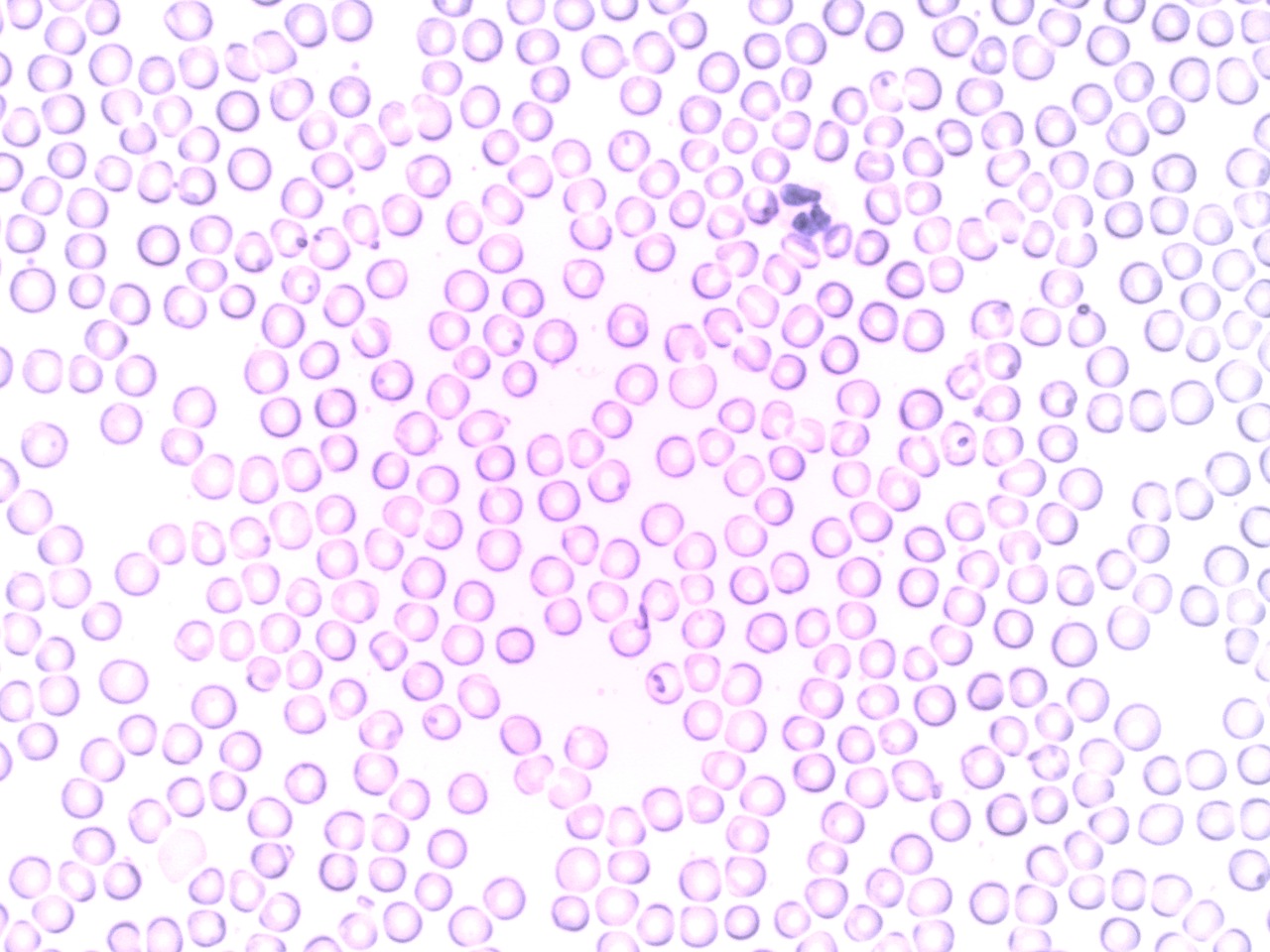
The human body naturally produces a different type of white blood cells (leukocytes). Of them, basophils share around 0.5% of total leukocytes in the blood- which provides protection against helminth parasites. Despite basophils are known since ages for their role in allergic and inflammatory diseases, how their activities are regulated and are kept in check still not understood.
Jagadeesh Bayry team

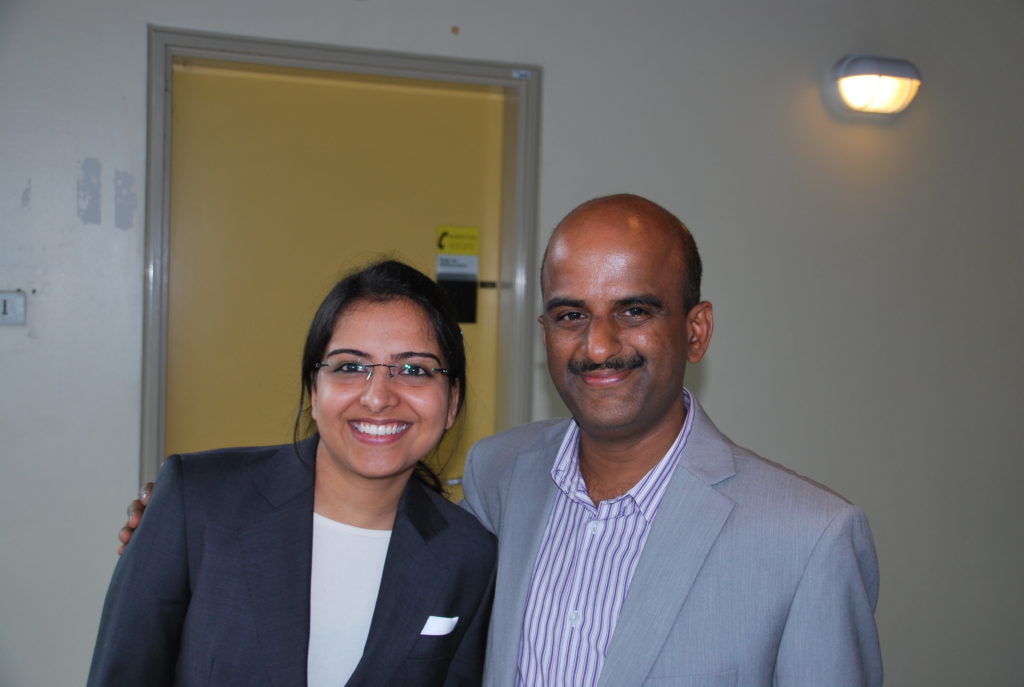
Jagadeesh Bayry team

Normally immune system guards our body against pathogens like bacteria and virus and cleans them regularly. However, under certain conditions, the immune system attacks our own body and those results in autoimmune and inflammatory diseases like diabetes, arthritis, and others. Therefore, there are peacekeepers in the body to make sure that our immune system does not attack our own body, organs, and tissues.

These peacekeepers are regulatory T cells or “Tregs” that block hyperactivation of the immune system and thus prevent autoimmune diseases and inflammation. For that matter, Tregs-derived molecules are currently used in the clinic for the immunotherapy of several diseases.

Thus by default, Tregs are known in the scientific community as ‘immunosuppressor’ cells, which ensure that autoimmune responses and inflammation are kept in check and hence safeguard our body. Now, researchers for the first time have uncovered that Tregs can instead stimulate the activation of a particular immune cell, which has a role in several inflammatory conditions, particularly in allergy.

Dr. Jagadeesh Bayry’s  team at Institut National de la Santé et de la Recherche Médicale (French National Institute of Health and Medical Research, INSERM), Paris, France- have discovered that Tregs instead of suppressing the activities of basophils, they trigger these cells to express  activation markers, to secrete cytokines and support their allergic responses.  These findings also explain why Tregs are unable to control allergic responses when we encounter various environmental allergens in our daily life.

“We have discovered that Tregs forget that they are supposed to be suppressors when mesmerized by basophils. Our findings revealed that Tregs instead of suppressive, they activate the basophils and thus highlights a ‘secret’ life and a special relationship of basophils with Tregs,” said Dr. Jagadeesh Bayry, study leader and co-author in this study.

Meenu Sharma, the First author in this study, says, “this is the first ever study that revealed a previously unknown aspect of Tregs. We have found an unusual relationship between basophils and Tregs.”

“Ours is a fundamental immunology finding and has broad implication for the therapy of allergic diseases. In view of our current findings, we strongly urge the scientific community to target both Tregs and basophils in order to obtain maximum efficacy of immunotherapy,” said Dr. Bayry.

“This report will completely change our current default view on Tregs as immune suppressors. Because of these unexpected findings, the concept of Treg-based therapeutic approaches may need to be revisited for allergy and asthma, where basophils are one of the major players that drive the inflammation”, commented Prof. K. N. Balaji from Indian Institute of Science, India. He is not involved in this study.

The research team included Meenu Sharma, Mrinmoy Das, Emmanuel Stephen-Victor, Caroline Galeotti, Anupama Karnam, Mohan S. Maddur, Patrick Bruneval, Srini V. Kaveri, and  Jagadeesh Bayry. These results were published in the journal “Science Immunology.” The study was funded by the French National Institute of Health and Medical Research, European Commission collaborative Grant and Sorbonne University. (SciSoup)

By Ratneshwar Thakur

Journal Reference

Regulatory T cells induce activation rather than suppression of human basophils

If you liked this article, then please subscribe to our YouTube Channel for the latest Science and Tech news. You can also find us on Twitter and Facebook.

Rate

Normally immune system guards our body against pathogens like bacteria and virus and cleans them regularly. However, under certain conditions, the immune system attacks our own body and those results in autoimmune and inflammatory diseases like diabetes, arthritis, and others. Therefore, there are peacekeepers in the body to make sure that our immune system does not attack our own body, organs, and tissues.

These peacekeepers are regulatory T cells or “Tregs” that block hyperactivation of the immune system and thus prevent autoimmune diseases and inflammation. For that matter, Tregs-derived molecules are currently used in the clinic for the immunotherapy of several diseases.

Thus by default, Tregs are known in the scientific community as ‘immunosuppressor’ cells, which ensure that autoimmune responses and inflammation are kept in check and hence safeguard our body. Now, researchers for the first time have uncovered that Tregs can instead stimulate the activation of a particular immune cell, which has a role in several inflammatory conditions, particularly in allergy.

Dr. Jagadeesh Bayry’s  team at Institut National de la Santé et de la Recherche Médicale (French National Institute of Health and Medical Research, INSERM), Paris, France- have discovered that Tregs instead of suppressing the activities of basophils, they trigger these cells to express  activation markers, to secrete cytokines and support their allergic responses.  These findings also explain why Tregs are unable to control allergic responses when we encounter various environmental allergens in our daily life.

“We have discovered that Tregs forget that they are supposed to be suppressors when mesmerized by basophils. Our findings revealed that Tregs instead of suppressive, they activate the basophils and thus highlights a ‘secret’ life and a special relationship of basophils with Tregs,” said Dr. Jagadeesh Bayry, study leader and co-author in this study.

Meenu Sharma, the First author in this study, says, “this is the first ever study that revealed a previously unknown aspect of Tregs. We have found an unusual relationship between basophils and Tregs.”

“Ours is a fundamental immunology finding and has broad implication for the therapy of allergic diseases. In view of our current findings, we strongly urge the scientific community to target both Tregs and basophils in order to obtain maximum efficacy of immunotherapy,” said Dr. Bayry.

“This report will completely change our current default view on Tregs as immune suppressors. Because of these unexpected findings, the concept of Treg-based therapeutic approaches may need to be revisited for allergy and asthma, where basophils are one of the major players that drive the inflammation”, commented Prof. K. N. Balaji from Indian Institute of Science, India. He is not involved in this study.

The research team included Meenu Sharma, Mrinmoy Das, Emmanuel Stephen-Victor, Caroline Galeotti, Anupama Karnam, Mohan S. Maddur, Patrick Bruneval, Srini V. Kaveri, and  Jagadeesh Bayry. These results were published in the journal “Science Immunology.” The study was funded by the French National Institute of Health and Medical Research, European Commission collaborative Grant and Sorbonne University. (SciSoup)

By Ratneshwar Thakur

Journal Reference

Regulatory T cells induce activation rather than suppression of human basophils

If you liked this article, then please subscribe to our YouTube Channel for the latest Science and Tech news. You can also find us on Twitter and Facebook.

" }
India to Work on Futuristic Concept of “Cyber Twins”

India to Work on Futuristic Concept of “Cyber Twins”

Just imagine being able to know what Dr. A P J Abdul Kalam, who expired in July 2015, would have thought about today’s test firing of the supersonic missile or any other current issue of his interest.

  • News
  • 2.9K
Read more
Forgotten Icons of the Information Technology Revolution

Forgotten Icons of the Information Technology Revolution

A new book by technology writers Anand Parthasarathy and S Sadagopan is an attempt to fill this gap in understanding of the Indian IT industry. The book “Icons of Indian IT”, as the name indicates, profiles 25 of India’s technology pioneers from academics, government, and industry.

  • News
  • 2.8K
Read more

Step inside the mind of the young Stephen Hawking as his PhD thesis goes online for the first time

Stephen Hawking’s Ph.D. thesis, ‘Properties of expanding universes’, has been made freely available to anyone, anywhere in the world, after being made accessible via the University of Cambridge’s Open Access repository, Apollo.

  • News
  • 3.3K
Read more

Internet is huge! Help us find great content

Newsletter

Never miss a thing! Sign up for our newsletter to stay updated.

About

Research Stash is a curated collection of tools and News for S.T.E.M researchers

Have any questions or want to partner with us? Reach us at hello@researchstash.com

Navigation

Submit