
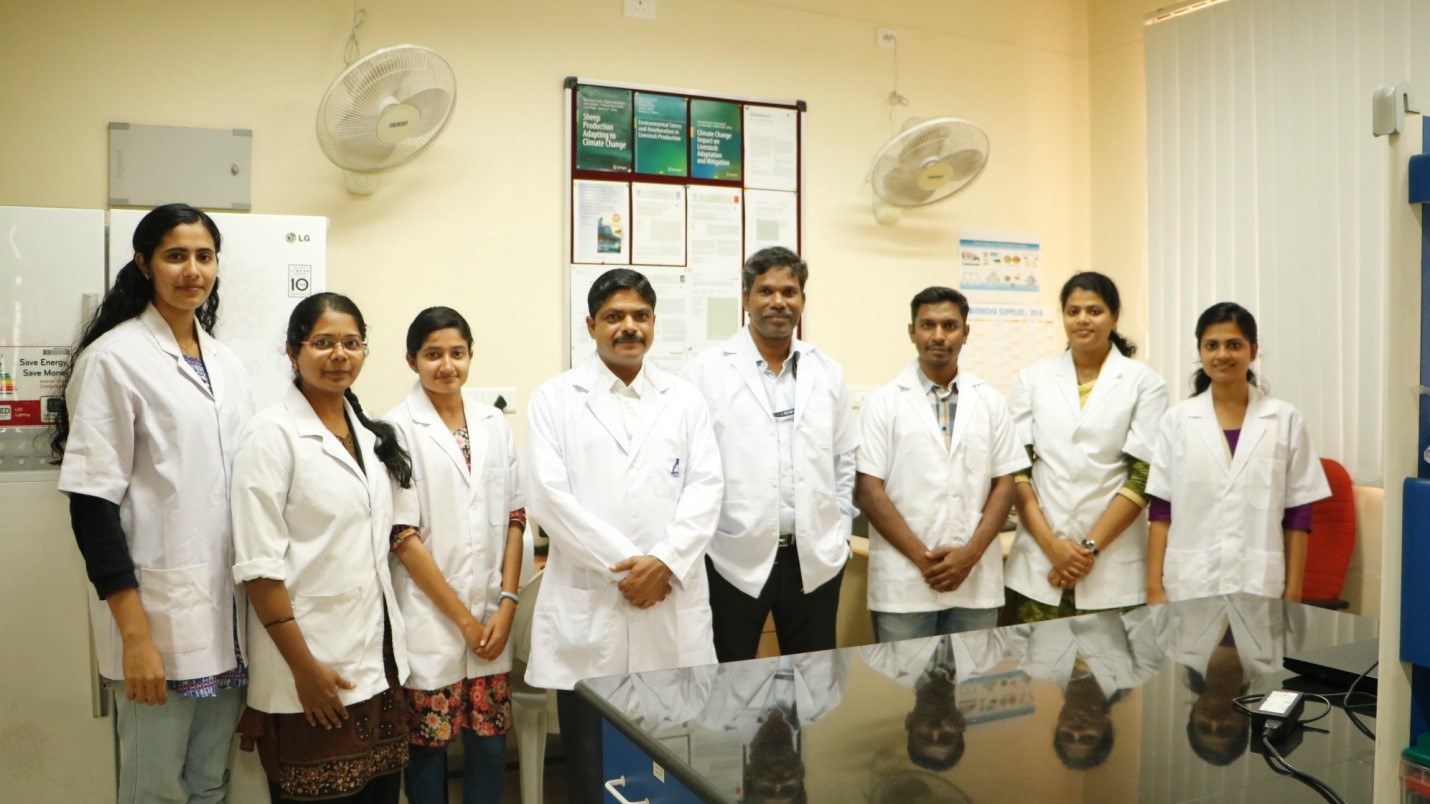
Dr. V. Sejian (fourth from the left) and his research team

How Resilient Are Indigenous Goats to Climate Change

  • Research Stash
  • News
  • 2.5K

Climate change is posing a challenge not only to agricultural crops but also to livestock. In order to sustain rural livelihoods, it is critical to identify livestock breeds that are climate resilient. In this direction, Indian scientists have identified two variables which could be used to assess the resilient capacity of indigenous breeds of goats.
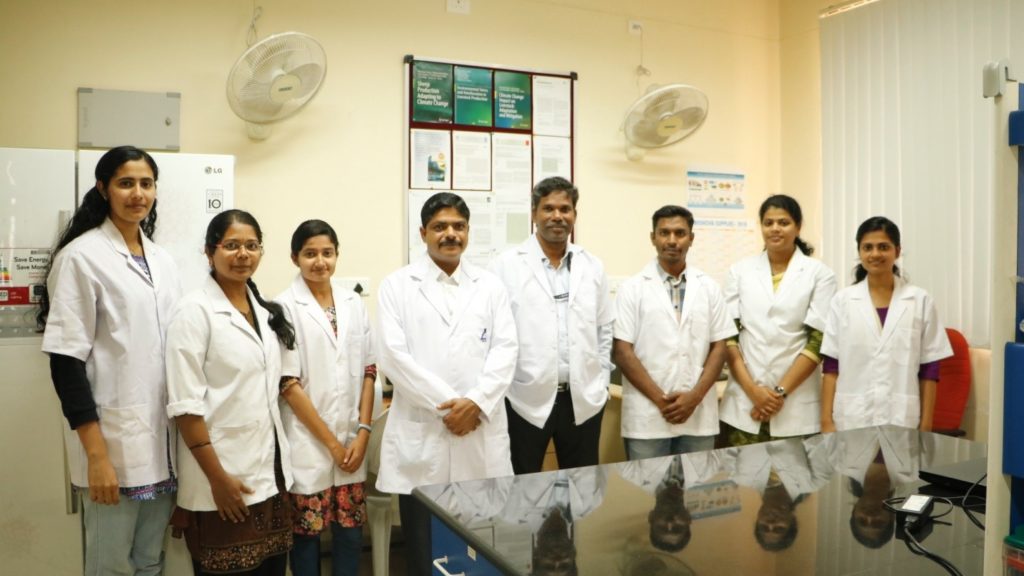
Dr. V. Sejian (fourth from the left) and his research team

Dr. V. Sejian (fourth from the left) and his research team

In ruminants like a goat, heat stress can significantly affect meat yield, quality, and composition. Severe heat stress leads to the production of heat shock protein 70 (HSP70) which improves cell survival and prevents protein degradation. The levels of this protein, along with that of plasma leptin can indicate heat resilience.
Salem Black Breed

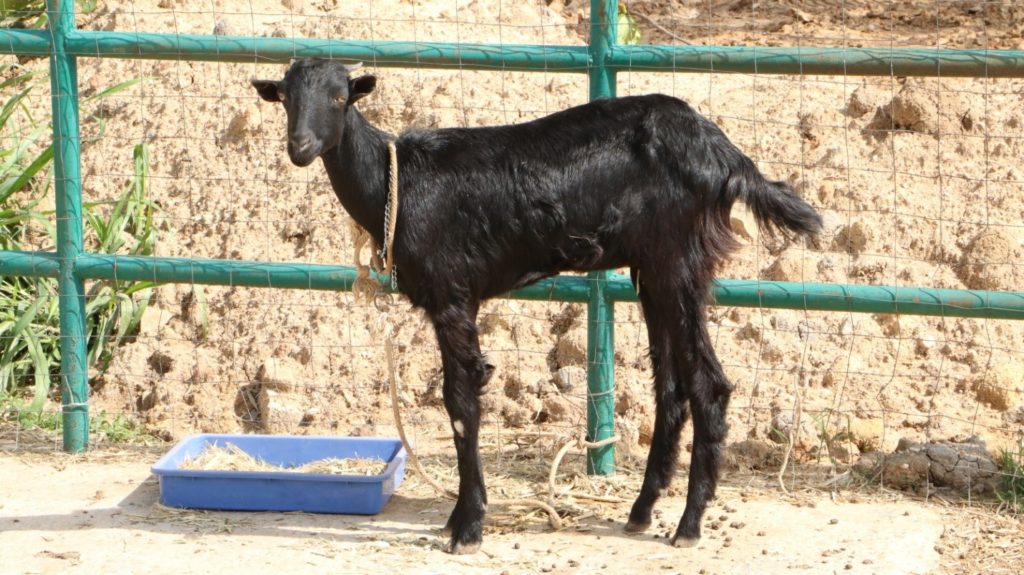
Salem Black Breed

Plasma leptin reflects nutritional status of goats while HSP70 gene could reflect the magnitude of heat stress.  The new study says these two variables could be ideal biomarkers to reflect the impact of heat stress on meat characteristics and productivity. They have found that indigenous breeds like Salem black goat express high levels of plasma leptin and HSP 70 genes under heat stress. This makes Salem black goat more suited for climate resilient farming.

Indigenous breeds are well known for their survival in native tracks of their origin. If their adaptive potential is assessed in other agro-ecological zones, farmers could benefit. In the present study, two breeds – Osmanabadi and Salem Black – were assessed for their climate adaptability. Salem Black was shifted to areas native to Osmanabadi breed to compare meat production potential.

Two sets of six goats each were maintained – one set under a shed and another under open conditions. All the animals were fed with standard feed along drinking water and their initial weight was recorded. Body weight, carcass characteristics, physio-chemical properties of meat, crude protein and fat content were measured. The expression of plasma leptin and HSP70mRNA was measured using ELISA and primer-based detection respectively.
Osmanabadi Breed

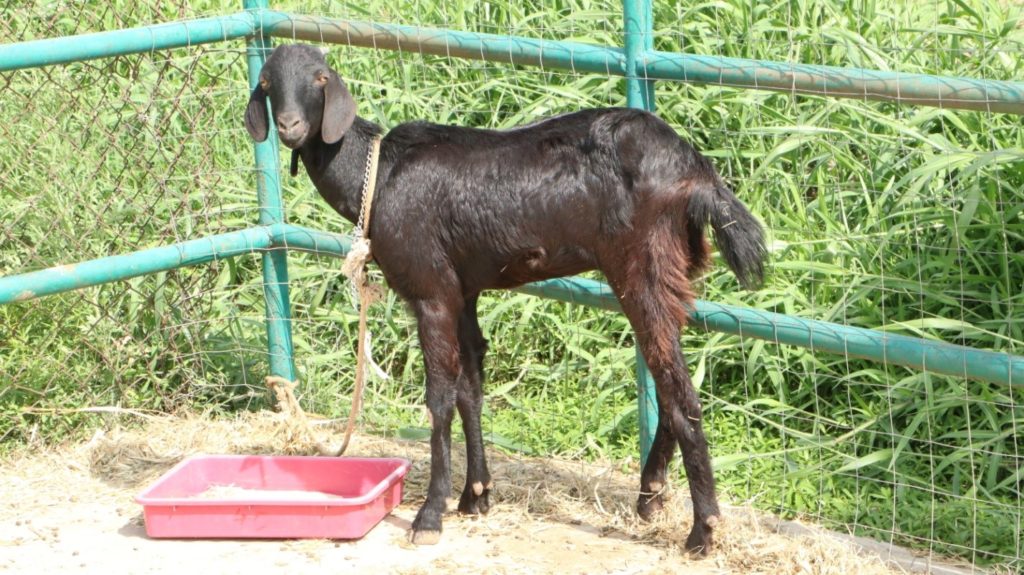
Osmanabadi Breed

The heat stress impacted meat productivity and production qualities compared to the goats under the shaded pen. Salem black goats outperformed Osmanabadi even under heat stress for most of the parameters measured. This was highly correlated with the expression of plasma leptin and HSP70 in the samples obtained. Salem Black performed much better in terms of retaining both the quality and quantity of meat production, according to results of the study published journal Meat Science.

“Our results indicate that shifting Salem Black from a much harsher climatic condition to the location of the lower magnitude of heat stress proves beneficial in terms of maintaining its meat production performance. This finding can help identify agro-ecological zone specific breeds to sustain livestock production in the changing climate scenario,” Dr. V. Sejian, Senior Scientist at National Institute of Animal Nutrition and Physiology, Bengaluru, told India Science Wire.

The study was done by a team of scientists from the ICAR – National Institute of Animal Nutrition and Physiology, National Institute of Veterinary Epidemiology and Disease Informatics and Veterinary Animal and Fishery Sciences University, Bengaluru in collaboration with Academy of Climate Change Education and Research, Kerala Agricultural University and Kerala Veterinary and Animal Sciences University, Thrissur.

The team included P. R. Archana,  V. Sejian, Wilfred Ruban, M. Bagath, G. Krishnan, J. Aleena, G.B. Manjunathareddy, V. Beena and Raghavendra Bhatta. (India Science Wire)

By S Suresh Ramanan

Journal Article

Comparative assessment of heat stress induced changes in carcass traits, plasma leptin profile and skeletal muscle myostatin and HSP70 gene expression patterns between indigenous Osmanabadi and Salem Black goat breeds

If you liked this article, then please subscribe to our YouTube Channel for the latest Science and Tech news. You can also find us on Twitter and Facebook.

Rate

In ruminants like a goat, heat stress can significantly affect meat yield, quality, and composition. Severe heat stress leads to the production of heat shock protein 70 (HSP70) which improves cell survival and prevents protein degradation. The levels of this protein, along with that of plasma leptin can indicate heat resilience.

Salem Black Breed

Salem Black Breed

Plasma leptin reflects nutritional status of goats while HSP70 gene could reflect the magnitude of heat stress.  The new study says these two variables could be ideal biomarkers to reflect the impact of heat stress on meat characteristics and productivity. They have found that indigenous breeds like Salem black goat express high levels of plasma leptin and HSP 70 genes under heat stress. This makes Salem black goat more suited for climate resilient farming.

Indigenous breeds are well known for their survival in native tracks of their origin. If their adaptive potential is assessed in other agro-ecological zones, farmers could benefit. In the present study, two breeds – Osmanabadi and Salem Black – were assessed for their climate adaptability. Salem Black was shifted to areas native to Osmanabadi breed to compare meat production potential.

Two sets of six goats each were maintained – one set under a shed and another under open conditions. All the animals were fed with standard feed along drinking water and their initial weight was recorded. Body weight, carcass characteristics, physio-chemical properties of meat, crude protein and fat content were measured. The expression of plasma leptin and HSP70mRNA was measured using ELISA and primer-based detection respectively.

Osmanabadi Breed

Osmanabadi Breed

The heat stress impacted meat productivity and production qualities compared to the goats under the shaded pen. Salem black goats outperformed Osmanabadi even under heat stress for most of the parameters measured. This was highly correlated with the expression of plasma leptin and HSP70 in the samples obtained. Salem Black performed much better in terms of retaining both the quality and quantity of meat production, according to results of the study published journal Meat Science.

“Our results indicate that shifting Salem Black from a much harsher climatic condition to the location of the lower magnitude of heat stress proves beneficial in terms of maintaining its meat production performance. This finding can help identify agro-ecological zone specific breeds to sustain livestock production in the changing climate scenario,” Dr. V. Sejian, Senior Scientist at National Institute of Animal Nutrition and Physiology, Bengaluru, told India Science Wire.

The study was done by a team of scientists from the ICAR – National Institute of Animal Nutrition and Physiology, National Institute of Veterinary Epidemiology and Disease Informatics and Veterinary Animal and Fishery Sciences University, Bengaluru in collaboration with Academy of Climate Change Education and Research, Kerala Agricultural University and Kerala Veterinary and Animal Sciences University, Thrissur.

The team included P. R. Archana,  V. Sejian, Wilfred Ruban, M. Bagath, G. Krishnan, J. Aleena, G.B. Manjunathareddy, V. Beena and Raghavendra Bhatta. (India Science Wire)

By S Suresh Ramanan

Journal Article

Comparative assessment of heat stress induced changes in carcass traits, plasma leptin profile and skeletal muscle myostatin and HSP70 gene expression patterns between indigenous Osmanabadi and Salem Black goat breeds

If you liked this article, then please subscribe to our YouTube Channel for the latest Science and Tech news. You can also find us on Twitter and Facebook.

" }
Telemedicine Is Beneficial for HIV Treatment

Telemedicine Is Beneficial for HIV Treatment

Telemedicine, which involves consultation of patients by doctors remotely, is being used in many parts of the country. A new study has shown that it can be used for the treatment of HIV patients as well

  • News
  • 1.7K
Read more
Grants for New Ideas to Improve Women and Child Health

Grants for New Ideas to Improve Women and Child Health

A face cream that may fulfill your daily nutrient requirement, a simple diagnostic strip to test cervical cancer, an app to address postpartum depression.

  • News
  • 2.1K
Read more
The Conundrum of Climate Change - Dr. Pao Kuan Wang

The Conundrum of Climate Change – Dr. Pao Kuan Wang

Dr. Pao Kuan Wang, Director and Distinguished Research Fellow from the Research Center for Environmental Changes at Academia Sinica tackles the ever-important Climate change debate

Read more

Internet is huge! Help us find great content

Newsletter

Never miss a thing! Sign up for our newsletter to stay updated.

About

Research Stash is a curated collection of tools and News for S.T.E.M researchers

Have any questions or want to partner with us? Reach us at hello@researchstash.com

Navigation

Submit