
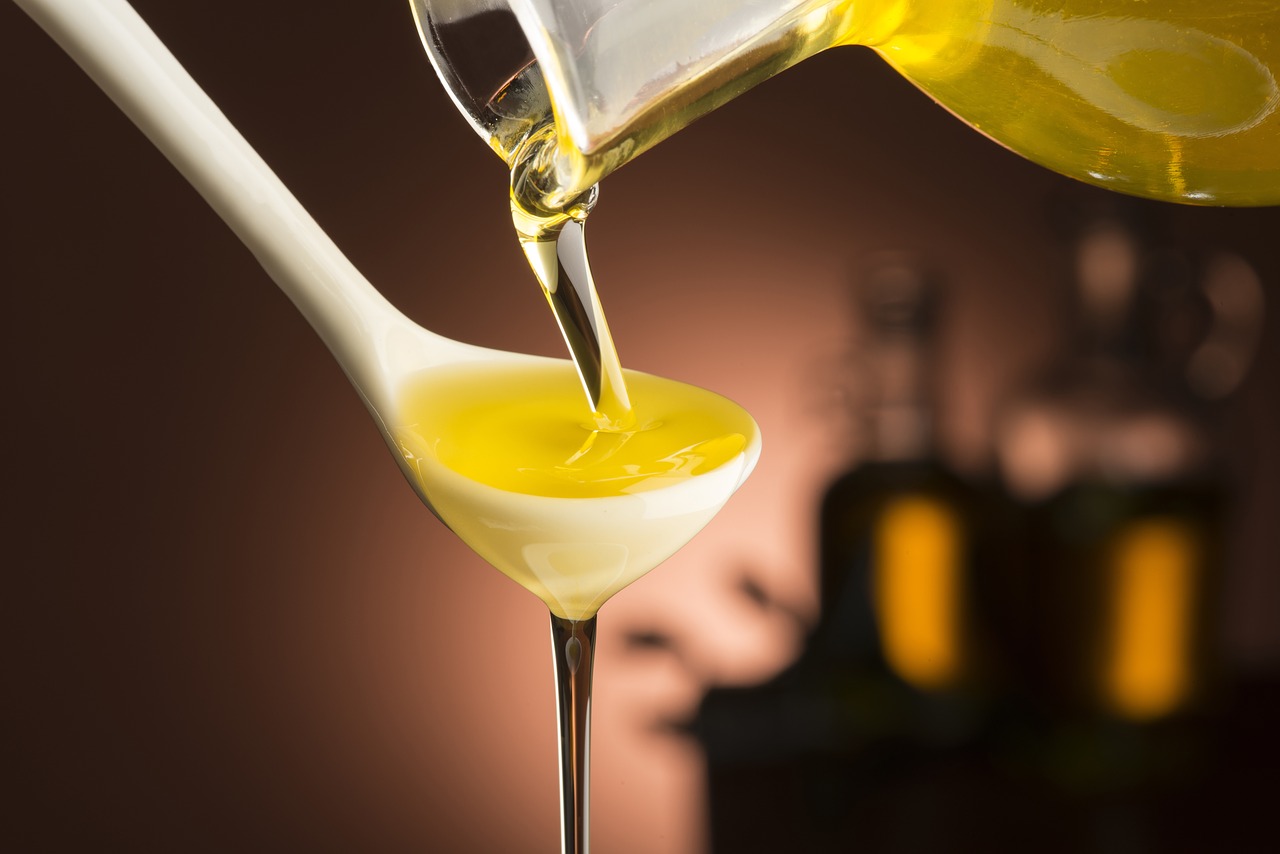
Tea Seed Oil May Be a Healthy Option

Tea Seed Oil Can Be a Healthy Option

  • Research Stash
  • News
  • 2K

Scientists at Assam Agricultural University, Jorhat have reported that oil extracted from the seeds of some of the tea varieties grown in Assam is heart-friendly with high levels of unsaturated fatty acids.

Researchers studied eight tea seed stocks for their biochemical and physical properties. They found that in as many as seven of them, unsaturated fatty acids constituted for more than 90 percent of the total fatty acids, from 90.49 percent to 97.79 percent. Of them, five had high levels of mono-unsaturated fatty acids, ranging from 49.56 percent to 63.86 percent, according to findings published in journal Current Science.

Speaking to India Science Wire, Dr. Priyanka Das of the Department of Biochemistry and Agricultural Chemistry at the University, who conducted the study along with her student, Kritideepan Sarmah, said she took up the exercise in the wake of studies elsewhere which showed that tea seed oil could be a good alternative edible oil apart from being used for industrial applications such as production of soap.

Noting that tea seed oil can be compared to olive oil in quality and in China, already about 15 percent of the population is reported to be using it for cooking, she pointed out that in India and more particularly in the northeast, all the three basic types of tea — ‘Assam’, ‘China’ and ‘Cambod’ and their hybrids are cultivated.

“Tea plants produce large seeds. The kernels, which make up about 70 percent of the tea seed weight, are rich in oil. It can be stored easily. It can also be a source of antioxidants and emollients for skin care”.

The new study assumes particular importance for India in the context of the growing gap between the demand and the domestic availability of edible oils in the country as also since there is an increasing demand for oil with high nutritive values. Considering that India is one of the largest producers of tea in the world, use of tea seed to produce edible oil could turn out to be a win-win situation.

Presently, tea seeds are used completely for producing planting material. Under the normal growing condition, seeds can be harvested from the third year onwards. At this stage, the seed yield is about 6.42 quintals per hectare. It doubles after five years of planting and around six times after eight years.

Dr. Das and Dr. Sarmah did their study on tea fruits collected at two developmental stages — seven and eight months after seed development when they are fully matured.  (India Science Wire)

By Sunderarajan Padmanabhan

For the latest Science, Tech news and conversations, follow Research Stash on TwitterFacebook, and subscribe to our YouTube channel 

Rate

Noting that tea seed oil can be compared to olive oil in quality and in China, already about 15 percent of the population is reported to be using it for cooking, she pointed out that in India and more particularly in the northeast, all the three basic types of tea — ‘Assam’, ‘China’ and ‘Cambod’ and their hybrids are cultivated.

“Tea plants produce large seeds. The kernels, which make up about 70 percent of the tea seed weight, are rich in oil. It can be stored easily. It can also be a source of antioxidants and emollients for skin care”.

The new study assumes particular importance for India in the context of the growing gap between the demand and the domestic availability of edible oils in the country as also since there is an increasing demand for oil with high nutritive values. Considering that India is one of the largest producers of tea in the world, use of tea seed to produce edible oil could turn out to be a win-win situation.

Presently, tea seeds are used completely for producing planting material. Under the normal growing condition, seeds can be harvested from the third year onwards. At this stage, the seed yield is about 6.42 quintals per hectare. It doubles after five years of planting and around six times after eight years.

Dr. Das and Dr. Sarmah did their study on tea fruits collected at two developmental stages — seven and eight months after seed development when they are fully matured.  (India Science Wire)

By Sunderarajan Padmanabhan

For the latest Science, Tech news and conversations, follow Research Stash on TwitterFacebook, and subscribe to our YouTube channel 

" }
Scientists Evaluate Ups and Downs in Summer Monsoon 2019

Scientists Evaluate Ups and Downs in Summer Monsoon 2019

The Indian summer monsoon is the lifeline of the agriculture-based economy and society. The rainfall in monsoon season from June to September plays a critical role and any fluctuations in rainfall can affect agriculture, water resources and livelihood of farmers

  • News
  • 1.6K
Read more
IMD Predicts `Near Normal’ South West Monsoon

IMD Predicts `Near Normal’ South West Monsoon

The India Meteorological Department on Monday forecast that the coming southwest monsoon season is likely to be near normal, with a rainfall of 96 percent of the long period average with a model error of plus or minus five percent

  • News
  • 1.6K
Read more

SAGEdb South Asian Genomes and Exomes Database

SAGE is a comprehensive repertoire of genome and exome information from South Asians. We have integrated 6 datasets encompassing 1213 human genome and exome data to create a compendium of 154 million genetic variants.

  • Videos
  • 2.2K
Read more

Internet is huge! Help us find great content

Newsletter

Never miss a thing! Sign up for our newsletter to stay updated.

About

Research Stash is a curated collection of tools and News for S.T.E.M researchers

Have any questions or want to partner with us? Reach us at hello@researchstash.com

Navigation

Submit