
New Study Finds Antibiotic Resistant Gene in Fresh Food Samples

  • Research Stash
  • News
  • 3.2K

Antibiotic drug resistance is assuming dangerous proportions at a global level and India is one of the worst affected countries. A new study in India has found bacteria resistant to the most powerful antibiotic in fresh food samples such as chicken, fish, and vegetables. Scientists have also deciphered the mechanism by which a gene responsible for making disease-causing bacteria resistant to powerful antibacterial drugs can get transmitted to humans.

The new findings about the presence of bacteria resistant to colistin – an antibiotic of the last resort – in food samples, and insertion of resistant gene in bacteria called Klebsiella pneumoniae (which causes a range of infections in humans) were presented on Tuesday at the European Congress of Clinical Microbiology and Infectious Diseases (ECCMID) which is underway at Madrid. Both the studies were presented by infectious diseases expert Dr. Abdul Ghafur of Apollo Cancer Institute, Chennai.

Dr Ghaful presenting the study at ECCMID in Madrid

Dr. Ghaful presenting the study at ECCMID in Madrid

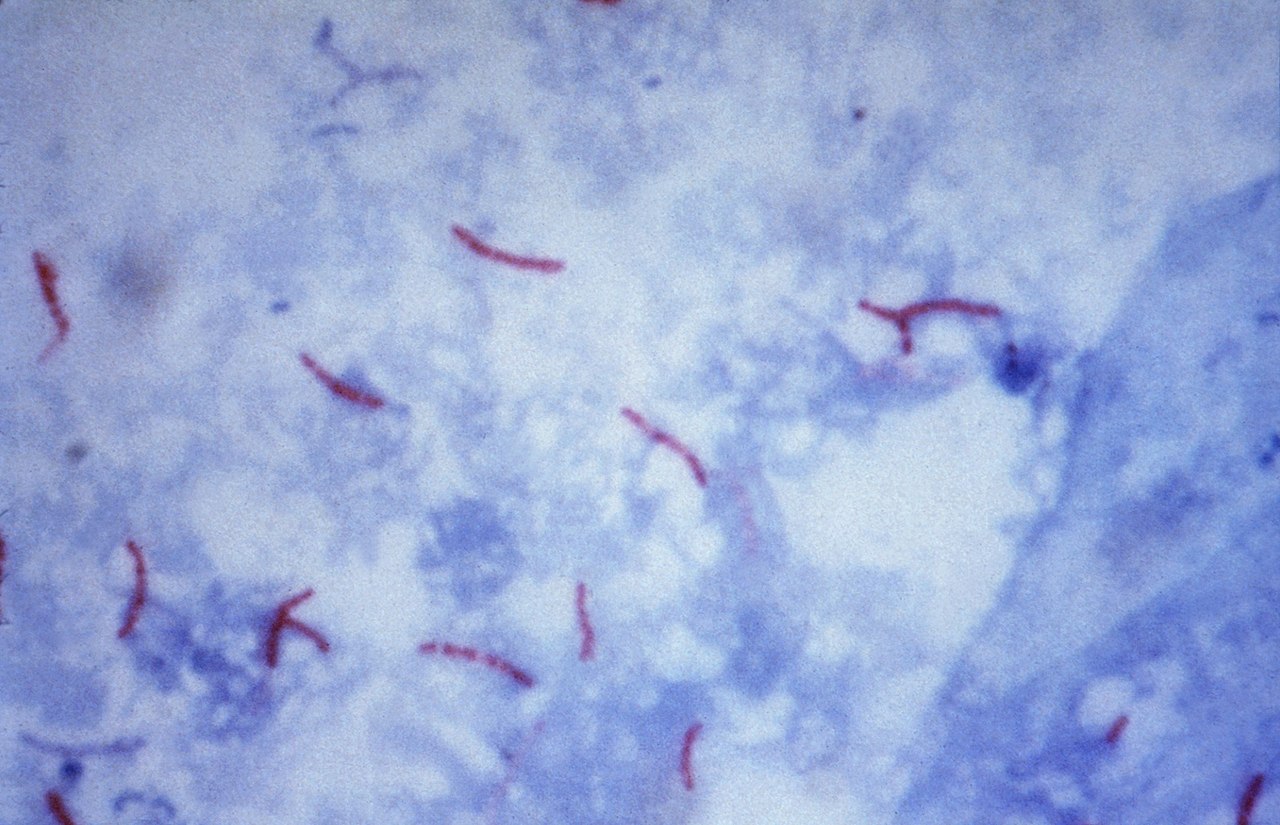
In the first study, the research group reported that the presence of colistin-resistant bacteria was very high in food samples (chicken, fish, meat, vegetables) collected from households, markets and fish and meat outlets. Out of 110 food samples collected in Chennai and analyzed, 46% grew colistin-resistant bacteria like E.coliEnterobacter spp. and Klebsiella spp.

“The situation is extremely worrying. One possible source could be rampant use of colistin as a growth promoter in animal husbandry sector. Poultry litter is used as fertilizer on farms which leads to contamination in vegetables.” observed Dr. Ghafur. More than 30 countries have already reported the presence of colistin-resistant bacteria in raw food samples, but this is the first time scientists have searched for these bugs in fresh food samples in India.

The second study, also presented at the conference, deals with the genetic mechanism of colistin resistance.

The widely studied gene responsible for colistin resistance in food bacteria as well as humans is known as ‘mobilized colistin resistance’ or mcr. But many colistin-resistant bacterial agents, particularly the bacteria Klebsiella do not possess this gene. They have an abnormality in another gene called mgrB.

“We have discovered that colistin-resistant Klebsiella with mgr gene mutation can originate from food. Unlike mcr which is located in the plasmid part of bacteria and hence easily transmissible from food to humans, the mgrB gene is located on the chromosome of the bacteria,” explained Dr. Ghafur. “If the gene is in the chromosome, then it should not easily spread among bacteria and so should be less dangerous. But we have found that presence of ‘jumping genes’ helps dissemination of mgrB gene mutation and colistin resistance from food bacteria to humans, creating bacteria resistant to the last line antibiotic-colistin.”

Dr. Ghafur collaborated with researchers from CMC Vellore and other experts for the two studies. Dr. Ghafur is the coordinator of Chennai Declaration-a renowned initiative by medical societies in India to tackle antibiotic resistance and also a technical advisory member of National antibiotic policy.

“Presence of colistin-resistant bacteria does not affect the edible quality of food, but we need to worry about them because once these resistant bacteria enter our gut and multiply they can spread resistance to other gut bacteria too,” he said while speaking to India Science Wire.

If food bacteria resistant to colistin but sensitive to other antibiotics enter gut, multiply and then mix up their genetic elements with gut bacteria resistant to all antibiotics except colistin, then it can give rise to bacteria resistant to all antibiotics including carbapenem and colistin. “This will make infections such as urinary tract infections or those caused due to surgery and chemotherapy untreatable. We call these bacteria ‘pan drug-resistant’-resistant to all antibiotics available in the modern medicine armamentarium’,” he added.

He suggested urgent steps like curbing the use of colistin in the veterinary sector. India imports about 200 tonnes of colistin every year, most of it from China. Interestingly, China has banned the use of colistin as a growth promoter in animal feeds. (India Science Wire)

By Dinesh C Sharma

For the latest Science, Tech news and conversations, follow Research Stash on TwitterFacebook, and subscribe to our YouTube channel 
Rate

Dr. Ghaful presenting the study at ECCMID in Madrid

In the first study, the research group reported that the presence of colistin-resistant bacteria was very high in food samples (chicken, fish, meat, vegetables) collected from households, markets and fish and meat outlets. Out of 110 food samples collected in Chennai and analyzed, 46% grew colistin-resistant bacteria like E.coliEnterobacter spp. and Klebsiella spp.

“The situation is extremely worrying. One possible source could be rampant use of colistin as a growth promoter in animal husbandry sector. Poultry litter is used as fertilizer on farms which leads to contamination in vegetables.” observed Dr. Ghafur. More than 30 countries have already reported the presence of colistin-resistant bacteria in raw food samples, but this is the first time scientists have searched for these bugs in fresh food samples in India.

The second study, also presented at the conference, deals with the genetic mechanism of colistin resistance.

The widely studied gene responsible for colistin resistance in food bacteria as well as humans is known as ‘mobilized colistin resistance’ or mcr. But many colistin-resistant bacterial agents, particularly the bacteria Klebsiella do not possess this gene. They have an abnormality in another gene called mgrB.

“We have discovered that colistin-resistant Klebsiella with mgr gene mutation can originate from food. Unlike mcr which is located in the plasmid part of bacteria and hence easily transmissible from food to humans, the mgrB gene is located on the chromosome of the bacteria,” explained Dr. Ghafur. “If the gene is in the chromosome, then it should not easily spread among bacteria and so should be less dangerous. But we have found that presence of ‘jumping genes’ helps dissemination of mgrB gene mutation and colistin resistance from food bacteria to humans, creating bacteria resistant to the last line antibiotic-colistin.”

Dr. Ghafur collaborated with researchers from CMC Vellore and other experts for the two studies. Dr. Ghafur is the coordinator of Chennai Declaration-a renowned initiative by medical societies in India to tackle antibiotic resistance and also a technical advisory member of National antibiotic policy.

“Presence of colistin-resistant bacteria does not affect the edible quality of food, but we need to worry about them because once these resistant bacteria enter our gut and multiply they can spread resistance to other gut bacteria too,” he said while speaking to India Science Wire.

If food bacteria resistant to colistin but sensitive to other antibiotics enter gut, multiply and then mix up their genetic elements with gut bacteria resistant to all antibiotics except colistin, then it can give rise to bacteria resistant to all antibiotics including carbapenem and colistin. “This will make infections such as urinary tract infections or those caused due to surgery and chemotherapy untreatable. We call these bacteria ‘pan drug-resistant’-resistant to all antibiotics available in the modern medicine armamentarium’,” he added.

He suggested urgent steps like curbing the use of colistin in the veterinary sector. India imports about 200 tonnes of colistin every year, most of it from China. Interestingly, China has banned the use of colistin as a growth promoter in animal feeds. (India Science Wire)

By Dinesh C Sharma

For the latest Science, Tech news and conversations, follow Research Stash on TwitterFacebook, and subscribe to our YouTube channel 

" }
India and Italy Commit to Boost S&T Ties

India and Italy Commit to Boost S&T Ties

The two-day technology summit between India and Italy concluded today with Prime Minister Narendra Modi and his Italian counterpart, Giuseppe Conte, declaring their determination to take scientific and technological cooperation between the two countries to newer heights.

  • News
  • 2.3K
Read more
For Water Purification, One Size Does Not Fit All

For Water Purification, One Size Does Not Fit All

Experts working in the area of water quality management have emphasized that there can be no “one size fit all” solution to tackle the problem of water contamination as the nature and extent of pollutions varied across locations

  • News
  • 1.8K
Read more

Astrosat Discovers Ultraviolet Wings of Butterfly Nebula

Indian astrophysicists have discovered large ultraviolet lobes and jets that were hurled out from a dying star, using data from AstroSat – space observatory launched by the Indian Space Research Organisation (ISRO) in 2015

  • News
  • 3.7K
Read more

Internet is huge! Help us find great content

Newsletter

Never miss a thing! Sign up for our newsletter to stay updated.

About

Research Stash is a curated collection of tools and News for S.T.E.M researchers

Have any questions or want to partner with us? Reach us at hello@researchstash.com

Navigation

Submit