
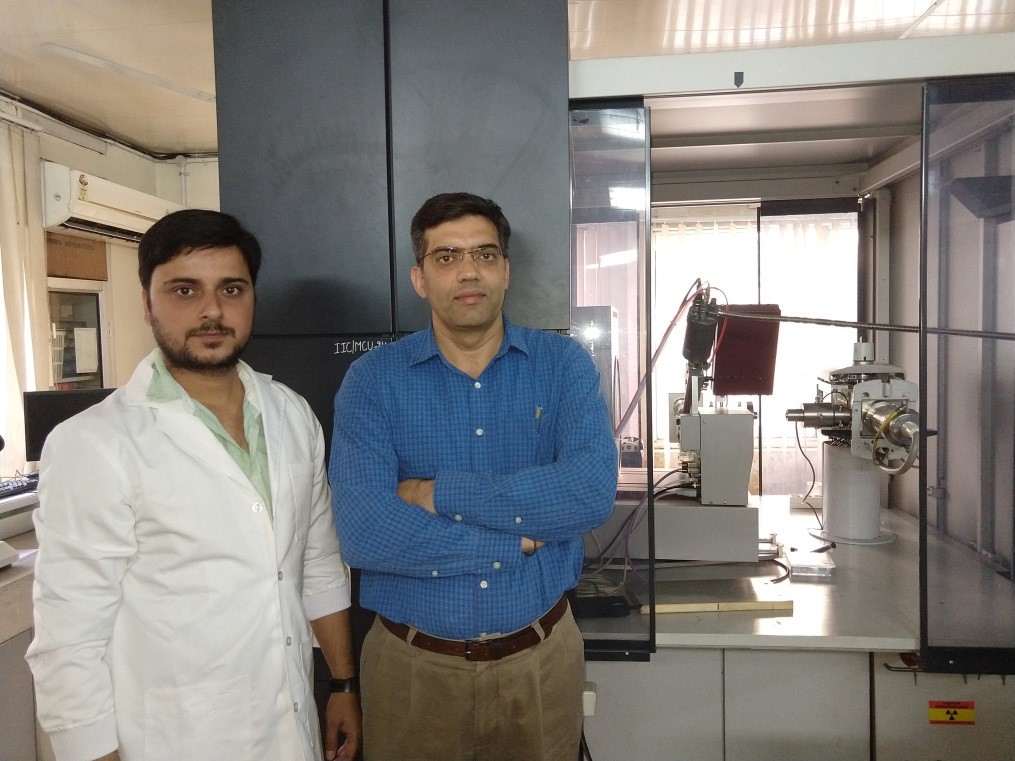
Members of the research team at IIT, Roorkee

Researchers Decipher Antibacterial Mechanism of Naturally Occurring Chemical

  • Research Stash
  • News
  • 4.3K

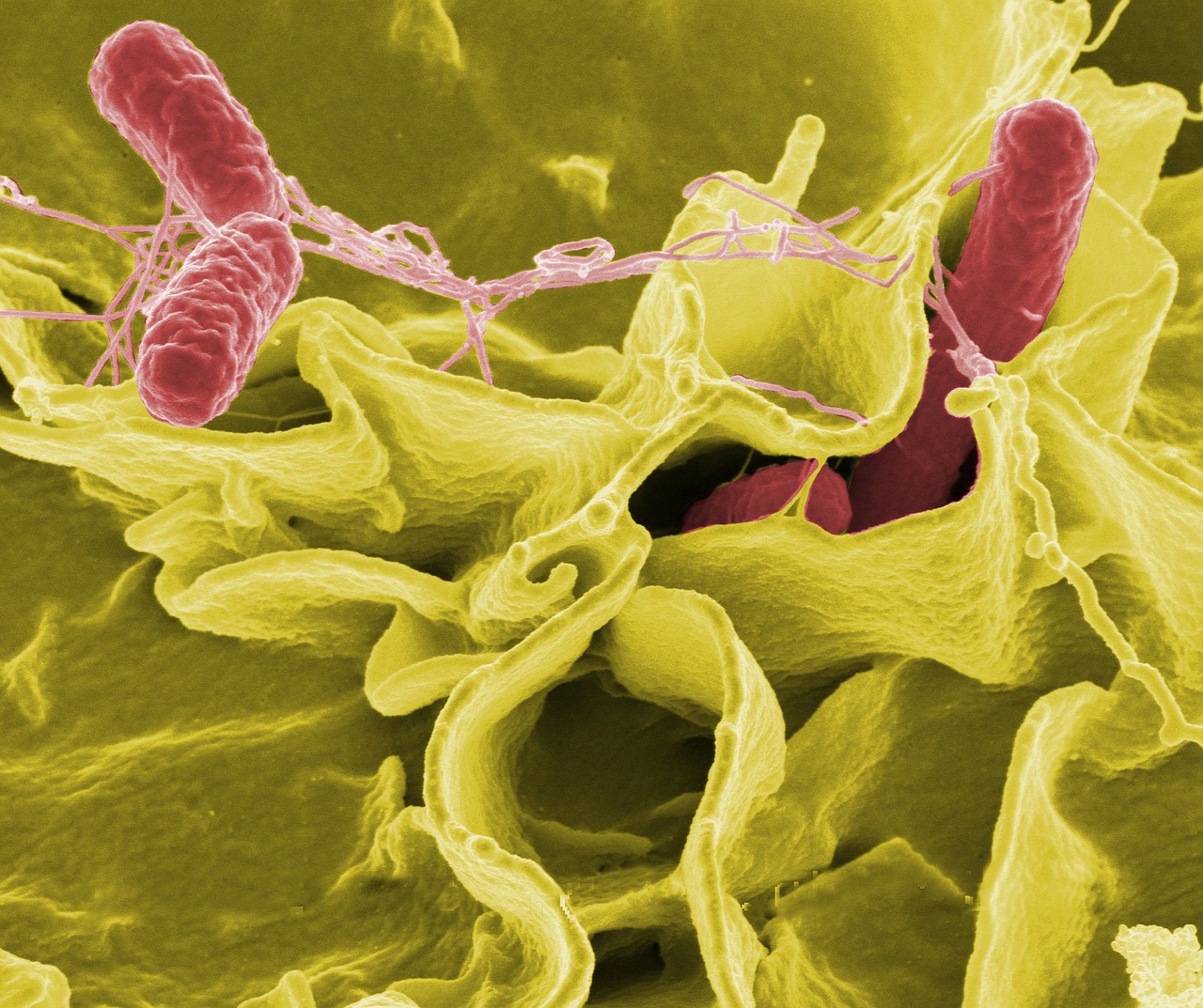
Researchers at the Indian Institute of Technology, Roorkee, have found out the mechanism that underlies antibacterial properties of a natural compound called Chlorogenic Acid which occurs in several plants including coffee.

They have shown that the compound binds itself to an enzyme called chlorismate mutase in bacteria, thereby inhibiting its growth and causing its eventual death. The enzyme is in Shikimate pathway, which is one of the essential metabolic pathways in any bacteria. It provides amino acids essential for the survival of bacteria.

The shikimate pathway is present in microorganisms, plants, and apicomplexan parasites, but is absent in higher eukaryotes, which makes the enzymes of this pathway promising targets for the development of antibiotics, herbicides, and pesticides.

Members of the research team at IIT, Roorkee

Members of the research team at IIT, Roorkee

Dr. Pravindra Kumar of the Department of Biotechnology at the Institute, while speaking to India Science Wire, said, “Based on biochemical and structural findings, we have shown that chlorogenic acid, a structural analog of chorismic acid, is an inhibitor of chorismate mutase.  Biochemical and binding assays have shown the inhibitory activity of chlorogenic acid against chorismate mutase type II.”

The researchers claim that molecular mechanism of antibacterial properties of chlorogenic acid has been deciphered for the first time. “The overall structural blueprints obtained from our work can be exploited to produce a more efficient new class of antibiotics. The atomic resolution structural snapshot of the Chlorogenic Acid-binding with Chlorismate Mutase enzyme provides information, which can be used to tweak the chemical structure of Chlorogenic Acid to make a more potent inhibitor”, Dr. Kumar added. The first results of the study were published in Scientific Reports last year.

The research team included Dr. Shivendra Pratap, Dr. Aditya Dev, Dr. Vijay Kumar, Dr. Ravi Yadav, Dr. Manju Narwal and Dr. Shaily Tomar. (India Science Wire)

By Sunderarajan Padmanabhan

Journal Article

Structure of Chorismate Mutase-like Domain of DAHPS from Bacillus subtilis Complexed with Novel Inhibitor Reveals Conformational Plasticity of Active Site

For the latest Science, Tech news and conversations, follow Research Stash on TwitterFacebook, and subscribe to our YouTube channel 
Rate

Members of the research team at IIT, Roorkee

Members of the research team at IIT, Roorkee

Dr. Pravindra Kumar of the Department of Biotechnology at the Institute, while speaking to India Science Wire, said, “Based on biochemical and structural findings, we have shown that chlorogenic acid, a structural analog of chorismic acid, is an inhibitor of chorismate mutase.  Biochemical and binding assays have shown the inhibitory activity of chlorogenic acid against chorismate mutase type II.”

The researchers claim that molecular mechanism of antibacterial properties of chlorogenic acid has been deciphered for the first time. “The overall structural blueprints obtained from our work can be exploited to produce a more efficient new class of antibiotics. The atomic resolution structural snapshot of the Chlorogenic Acid-binding with Chlorismate Mutase enzyme provides information, which can be used to tweak the chemical structure of Chlorogenic Acid to make a more potent inhibitor”, Dr. Kumar added. The first results of the study were published in Scientific Reports last year.

The research team included Dr. Shivendra Pratap, Dr. Aditya Dev, Dr. Vijay Kumar, Dr. Ravi Yadav, Dr. Manju Narwal and Dr. Shaily Tomar. (India Science Wire)

By Sunderarajan Padmanabhan

Journal Article

Structure of Chorismate Mutase-like Domain of DAHPS from Bacillus subtilis Complexed with Novel Inhibitor Reveals Conformational Plasticity of Active Site

For the latest Science, Tech news and conversations, follow Research Stash on TwitterFacebook, and subscribe to our YouTube channel 
" }
Prof. Yadav with his research team

Potent Anti-Obesity Agent Works In Rats

Obesity has emerged as a public health problem, resulting in the significant burden of non-communicable diseases. A team of scientists at Maharaja Sayajirao University (MSU), Baroda have claimed success with a potent anti-obesity agent in studies done in laboratory animals.

  • News
  • 1.7K
Read more
Changes in Livestock Breeding Needed To Boost A2 Milk

Changes in Livestock Breeding Needed To Boost A2 Milk

A study done by scientists at Centre for Technology Alternatives for Rural Areas of Indian Institute of Technology Bombay, and Central Island Agricultural Research Institute, ICAR, Port Blair, has evaluated the status of the beta-casein type of milk protein in Indian cattle and suggested changes in livestock breeding to promote A2 type milk.

  • News
  • 2.9K
Read more
Science Festival Opens in Lucknow

Science Festival Opens in Lucknow

The fourth edition of the India International Science Festival (IISF) began here today. A number of conferences and exhibitions showcasing the work of young scientists were held

  • News
  • 2.6K
Read more

Internet is huge! Help us find great content

Newsletter

Never miss a thing! Sign up for our newsletter to stay updated.

About

Research Stash is a curated collection of tools and News for S.T.E.M researchers

Have any questions or want to partner with us? Reach us at hello@researchstash.com

Navigation

Submit