
Research Stash Weekly Review #10

Research Stash Weekly Review #10

Genes activated in metastasis also drive the first stages of tumor growth
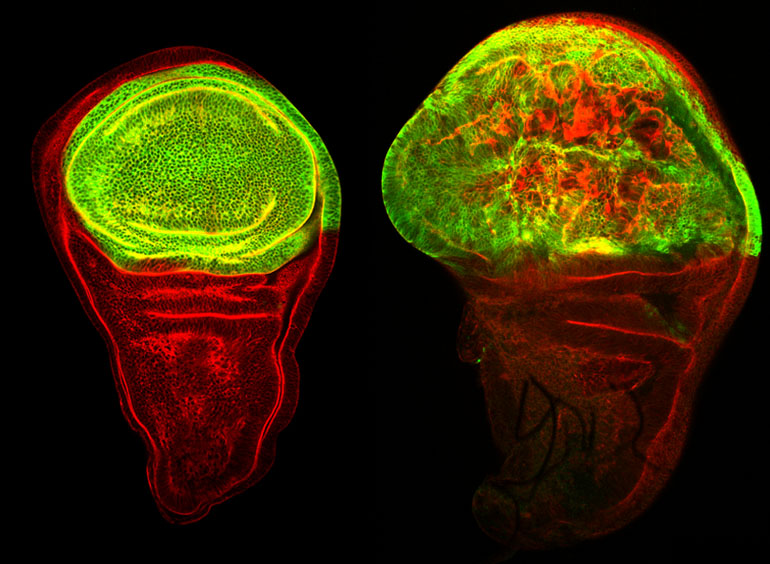
The overexpression of the gene Serpent in the Drosophila wing causes permanent overgrowth and it is sufficient to promote tumour development. Image: Kyra Campbell, IRB Barcelona

The overexpression of the gene Serpent in the Drosophila wing causes permanent overgrowth and it is sufficient to promote tumor development. Image: Kyra Campbell, IRB Barcelona

In spite of the difference between the cell functions responsible for giving rise to a tumor and for the metastasis of this same tumor, studies at IRB Barcelona using the fly Drosophila melanogaster reveal that some genes can drive both phenomena. Read More

Google’s new AI algorithm predicts heart disease by looking at your eyes
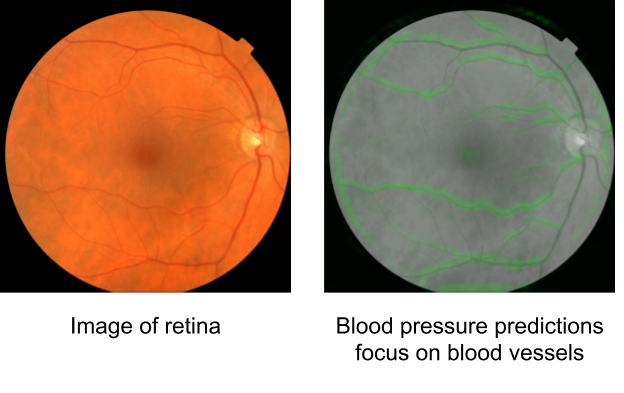
Google’s new AI algorithm predicts heart disease by looking at your eyes

Image by Google / Verily Life Sciences

Scientists from Google and its health-tech subsidiary Verily have discovered a new way to assess a person’s risk of heart disease using machine learning. Read More

Calcium May Play a Role in the Development of Parkinson’s
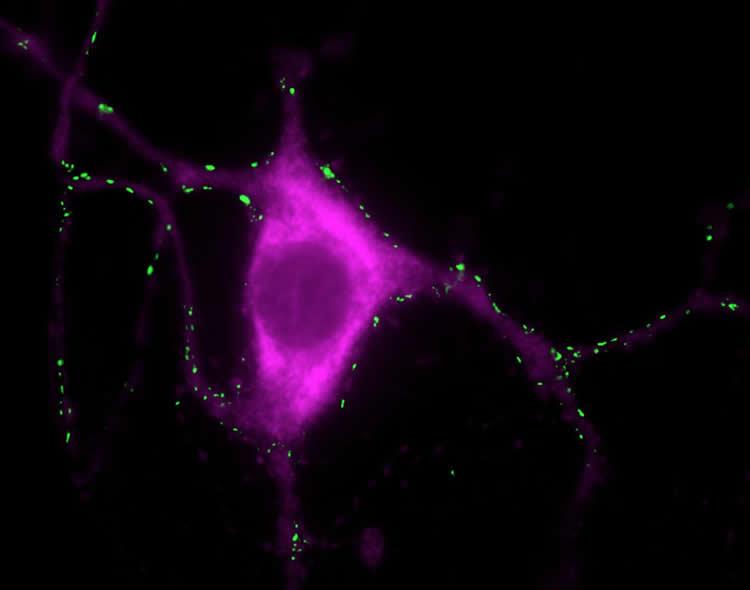
Tyrosine hydroxylase positive neuron stained with a synaptic marker. NeuroscienceNews.com image is credited to Janin Lautenschläger.

Tyrosine hydroxylase positive neuron stained with a synaptic marker. NeuroscienceNews.com image is credited to Janin Lautenschläger.

Researchers have found that excess levels of calcium in brain cells may lead to the formation of toxic clusters that are the hallmark of Parkinson’s disease. Read More

Plants Appeared On Land 100 Million Years Earlier Than Scientists Thought
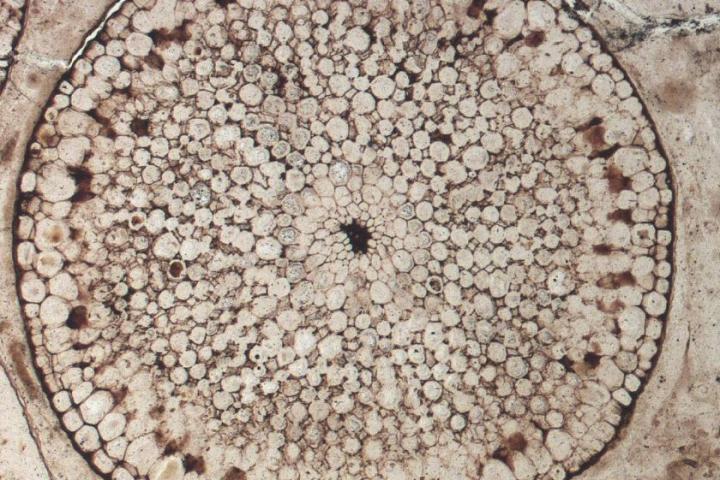
PLANTS APPEARED ON LAND 100 MILLION YEARS EARLIER THAN SCIENTISTS THOUGHT

A 400-million-year-old fossil plant stem from Aberdeenshire, Scotland. NATURAL HISTORY MUSEUM, LONDON

Plants grew on land 100 million years earlier than scientists previously thought, research suggests, pushing our understanding of life on Earth and even climate change back in time. Read More

Powerful Antibiotics Found in Dirt

Powerful Antibiotics Found in Dirt

Caption: Researchers found a new class of antibiotics in a collection of about 2,000 soil samples. Credit: Sean Brady, The Rockefeller University, New York

Many of us think of soil as lifeless dirt. But, in fact, the soil is teeming with a rich array of life: microbial life. Read More

Utah Startup Claims It Is Successfully Regenerating Skin

Utah Startup Claims It Is Successfully Regenerating Skin

A tiny Utah biotech firm is making waves in regenerative medicine. Last summer, it made headlines for successfully regenerating skin and stimulating hair growth in pigs with burns. Read More

A Biohacker Regrets Publicly Injecting Himself With CRISPR

Subscribe to our YouTube Channel

When Josiah Zayner watched a biotech CEO drop his pants at a biohacking conference and inject himself with an untested herpes treatment, he realized things had gone off the rails. Read More

A Study Shows That Physical Exercise Reduces Risk of Developing Diabetes
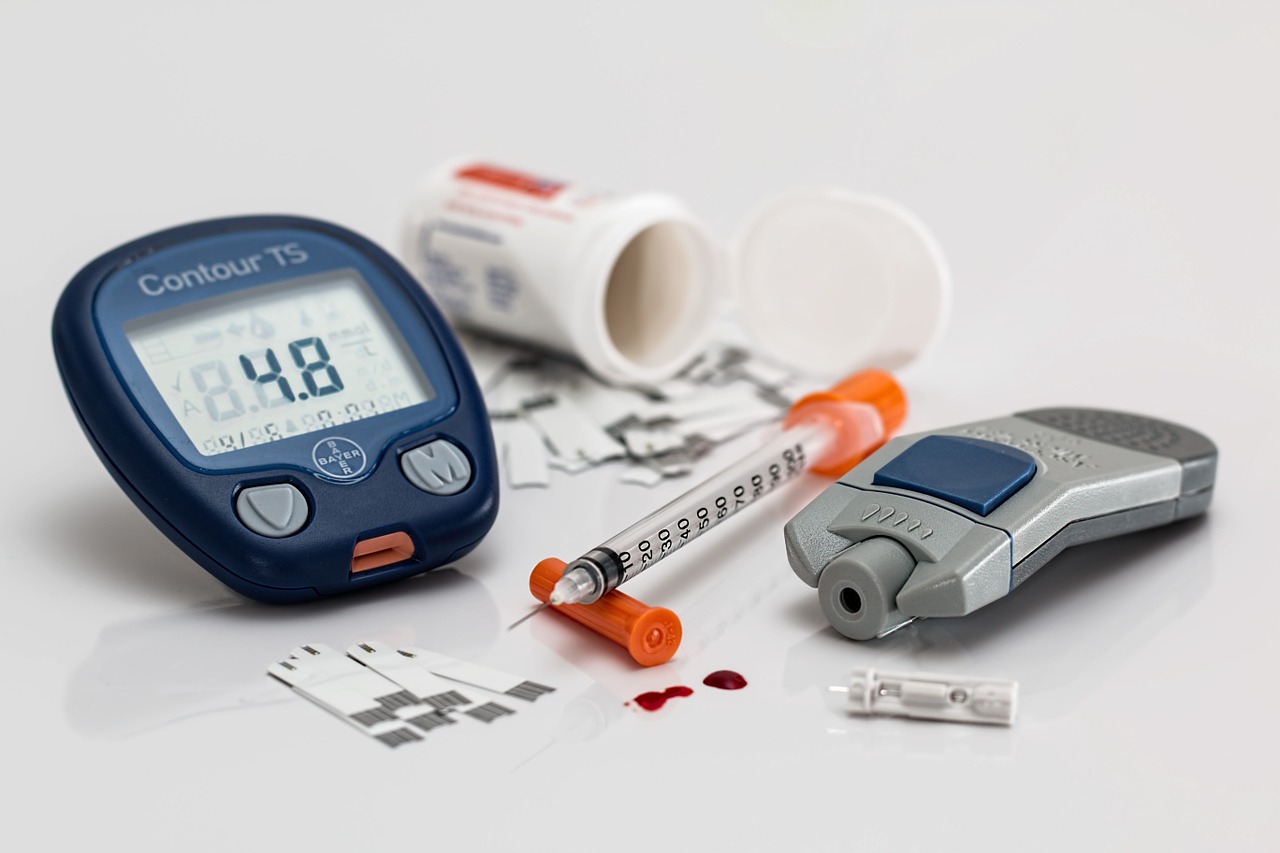
Physical exercise reduces risk of developing diabetes: study

Exercising more reduces the risk of diabetes and could see seven million fewer diabetic patients across mainland China, Hong Kong, and Taiwan, according to new research. Read More

World’s Loneliest Tree Records Fallout from Humanity

World's Loneliest Tree Records Fallout from Humanity

The loneliest tree in the world records the signature of humans’ impact on planet Earth. Read More

Nebula Genomics Will Let You Rent out Your Genetic Information

When the human genome was sequenced for the first time in 2001, the project cost $1 billion, as per a report from Nature – but today, individuals can undergo the same process for around $1,000, and prices are set to drop even further. Read More

For the latest Science, Tech news and conversations, follow Research Stash on TwitterFacebook, and subscribe to our YouTube channel 

Rate

In spite of the difference between the cell functions responsible for giving rise to a tumor and for the metastasis of this same tumor, studies at IRB Barcelona using the fly Drosophila melanogaster reveal that some genes can drive both phenomena. Read More

Google’s new AI algorithm predicts heart disease by looking at your eyes

Google’s new AI algorithm predicts heart disease by looking at your eyes

Image by Google / Verily Life Sciences

Scientists from Google and its health-tech subsidiary Verily have discovered a new way to assess a person’s risk of heart disease using machine learning. Read More

Calcium May Play a Role in the Development of Parkinson’s

Tyrosine hydroxylase positive neuron stained with a synaptic marker. NeuroscienceNews.com image is credited to Janin Lautenschläger.

Tyrosine hydroxylase positive neuron stained with a synaptic marker. NeuroscienceNews.com image is credited to Janin Lautenschläger.

Researchers have found that excess levels of calcium in brain cells may lead to the formation of toxic clusters that are the hallmark of Parkinson’s disease. Read More

Plants Appeared On Land 100 Million Years Earlier Than Scientists Thought

PLANTS APPEARED ON LAND 100 MILLION YEARS EARLIER THAN SCIENTISTS THOUGHT

A 400-million-year-old fossil plant stem from Aberdeenshire, Scotland. NATURAL HISTORY MUSEUM, LONDON

Plants grew on land 100 million years earlier than scientists previously thought, research suggests, pushing our understanding of life on Earth and even climate change back in time. Read More

Powerful Antibiotics Found in Dirt

Powerful Antibiotics Found in Dirt

Caption: Researchers found a new class of antibiotics in a collection of about 2,000 soil samples. Credit: Sean Brady, The Rockefeller University, New York

Many of us think of soil as lifeless dirt. But, in fact, the soil is teeming with a rich array of life: microbial life. Read More

Utah Startup Claims It Is Successfully Regenerating Skin

Utah Startup Claims It Is Successfully Regenerating Skin

A tiny Utah biotech firm is making waves in regenerative medicine. Last summer, it made headlines for successfully regenerating skin and stimulating hair growth in pigs with burns. Read More

A Biohacker Regrets Publicly Injecting Himself With CRISPR

Subscribe to our YouTube Channel

When Josiah Zayner watched a biotech CEO drop his pants at a biohacking conference and inject himself with an untested herpes treatment, he realized things had gone off the rails. Read More

A Study Shows That Physical Exercise Reduces Risk of Developing Diabetes

Physical exercise reduces risk of developing diabetes: study

Exercising more reduces the risk of diabetes and could see seven million fewer diabetic patients across mainland China, Hong Kong, and Taiwan, according to new research. Read More

World’s Loneliest Tree Records Fallout from Humanity

World's Loneliest Tree Records Fallout from Humanity

The loneliest tree in the world records the signature of humans’ impact on planet Earth. Read More

Nebula Genomics Will Let You Rent out Your Genetic Information

When the human genome was sequenced for the first time in 2001, the project cost $1 billion, as per a report from Nature – but today, individuals can undergo the same process for around $1,000, and prices are set to drop even further. Read More

For the latest Science, Tech news and conversations, follow Research Stash on TwitterFacebook, and subscribe to our YouTube channel 
" }
New Book Presents Untold Stories of Societal Impact of S&T in Independent India

New Book Presents Untold Stories of Societal Impact of S&T in Independent India

Indelible ink, generic drugs, information technology, horticulture and flower industry based on tissue culture, Amul, diamond cutting industry, blood collection bags, aquaculture, basmati rice. What is common among all these things?

  • News
  • 2.1K
Read more

Osteoporosis Drug May Find Use in Cancer Therapy

A team of researchers at Icahn School of Medicine at Mount Sinai in the U.S. led by Mone Zaidi, a scientist of Indian origin, has found that a group of drugs called bisphosphonates, which are used for the treatment of osteoporosis, could also be used for treating some lung, breast and colon cancers.

  • News
  • 1.7K
Read more

Paper-based tuberculosis test could boost diagnoses in developing countries

Diagnosing tuberculosis (TB) early can allow patients to receive the medicine they need and also help prevent the disease from spreading. But in resource-limited areas, equipment requirements and long wait times for results are obstacles to diagnosis and treatment. To tackle this problem, scientists report in ACS Sensors the development of a fast, paper-based tuberculosis test that can be read with a smartphone.

  • News
  • 1.8K
Read more

Internet is huge! Help us find great content

Newsletter

Never miss a thing! Sign up for our newsletter to stay updated.

About

Research Stash is a curated collection of tools and News for S.T.E.M researchers

Have any questions or want to partner with us? Reach us at [email protected]

Navigation

Submit