
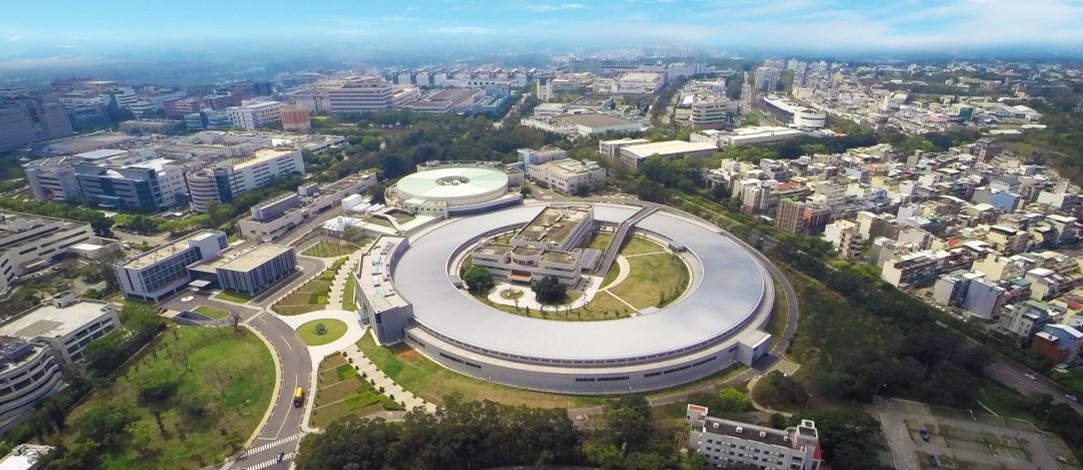
NSRRC – An advanced synchrotron source serving basic and applied research

  • Research Stash
  • News
  • 4.1K

 “If only scientists gave us the technology to travel at the speed of light the solar system would be an open book.” – Unknown

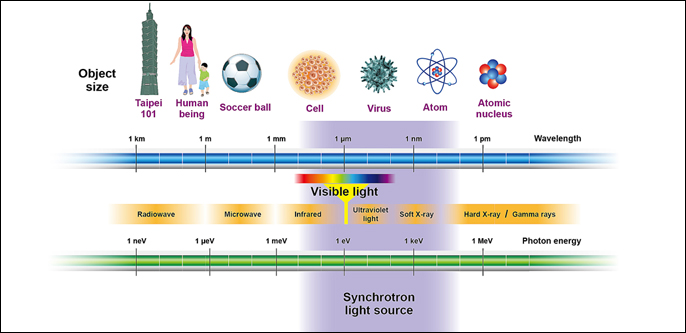
“Light” has always been indispensable to man’s exploration of nature. All wavelengths of the electromagnetic spectrum can be referred to as “light”. “Light” of different wavelengths is used for different purposes. The longest wavelengths, radio waves, are used for observing the expansive universe, and microwaves are used to detect planes, ships, and typhoons.

Infrared Light is an ideal light source for night vision systems and the detection of missiles through tracking their heat sources. Visible light is the only wavelength humans can see with their naked eyes. Ultra-violet light is used to examine the structure of gas molecules and condensed matter. X-rays are the best source for researching crystal structures; and gamma rays, with the shortest wavelength, allow researchers to explore the inner world of atoms.
c-lightsource-1.jpg

“Synchrotron radiation” refers to a continuous band of the electromagnetic spectrum including infrared, visible light, ultraviolet, and X-rays. This light has been called “synchrotron radiation”, since it was accidentally discovered in an electron synchrotron of the General Electric Company, USA, in 1947.
c-lightsource-4-l.jpg

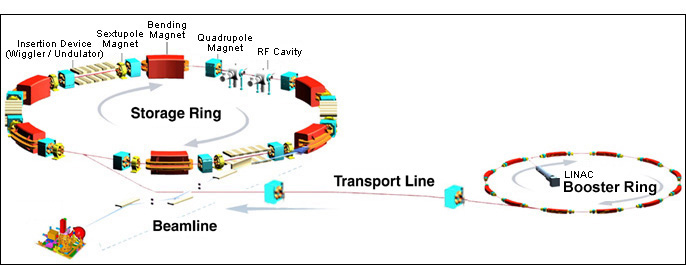
As part of the advanced light source, synchrotron radiation has become an important tool for use in diverse research fields such as physics, chemistry, biology, materials science, chemical engineering, environmental engineering, energy resources, mechanical engineering, and electronics. Over seventy synchrotron radiation facilities have been constructed worldwide with applications in scientific research and industrial R&D. National Synchrotron Radiation Research Center is one among them (NSRRC).
NSRRC-Taiwan

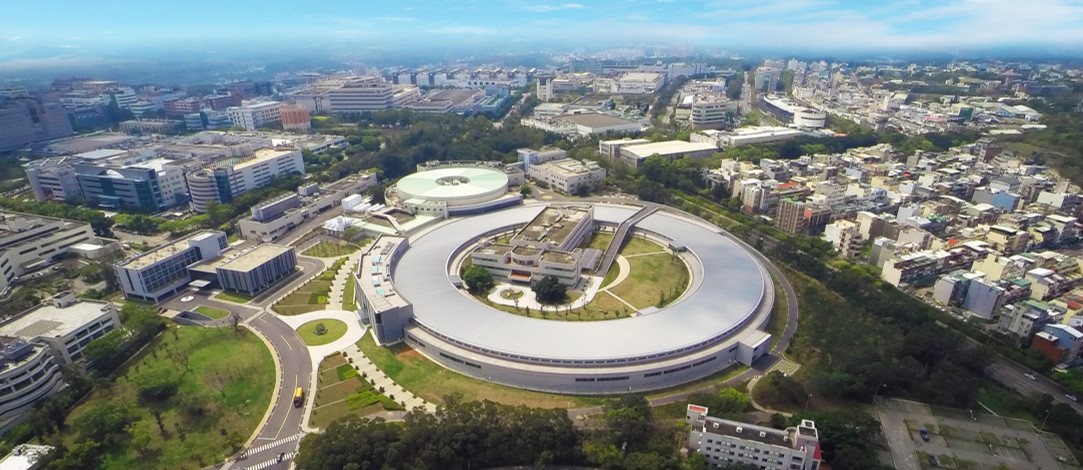
NSRRC’s mission is to operate a cutting-edge synchrotron radiation facility for pioneering scientific research. The light source at NSRRC was designed and constructed domestically and became operational in October of 1993. In April 1994, its beamlines were opened for service to researchers in diverse basic and applied fields.

In recent years, many new research instruments have been added to the light source, turning the center into a world-class facility with state-of-the-art research capabilities in the vacuum-ultraviolet and soft X-ray energy regions. In 1998, additionally, two hard X-ray beamlines were constructed at SPring-8 light source in Japan to provide researchers from Taiwan access to hard X-rays.

In order to satisfy the demands of researchers who require the use of the super high X-rays light source to facilitate their front-edge scientific experiments, NSRRC and the academic and scientific communities have conducted numerous discussions and assessments in recent years for the construction of a new synchrotron light source facility.

During the board meeting held on July 2004, it has been decided to bring up the proposal of Taiwan Photon Source cutting-edge experimental facility construction plan to the government to establish a new accelerator on the current base with an energy 3 billion electron volts of the electron beam and a circumference 518 meters, low emittance (Taiwan Photon Source) synchrotron light source facility. The ground-breaking ceremony for the civil construction of Taiwan Photon Source (TPS) was held on February 7, 2010. The civil construction has completed in 2014 and the light source and its experimental facilities are opened to the academic and scientific communities to conduct advanced research in 2016.

The TPS is the largest cross-field cutting-edge experimental facility in Taiwan. It offers one of the world’s brightest synchrotron X-ray sources, open numerous prospective scientific research opportunities, enhance world-class academic research to attain international competence, and assist the high-tech industry in improving its research and development capability while it creates Taiwan’s scientific research marvels in the twenty-first century.
NSRRC
Information curated by Dr. A.K. Prasannan

Rate

c-lightsource-1.jpg

“Synchrotron radiation” refers to a continuous band of the electromagnetic spectrum including infrared, visible light, ultraviolet, and X-rays. This light has been called “synchrotron radiation”, since it was accidentally discovered in an electron synchrotron of the General Electric Company, USA, in 1947.

c-lightsource-4-l.jpg

As part of the advanced light source, synchrotron radiation has become an important tool for use in diverse research fields such as physics, chemistry, biology, materials science, chemical engineering, environmental engineering, energy resources, mechanical engineering, and electronics. Over seventy synchrotron radiation facilities have been constructed worldwide with applications in scientific research and industrial R&D. National Synchrotron Radiation Research Center is one among them (NSRRC).

NSRRC-Taiwan

NSRRC’s mission is to operate a cutting-edge synchrotron radiation facility for pioneering scientific research. The light source at NSRRC was designed and constructed domestically and became operational in October of 1993. In April 1994, its beamlines were opened for service to researchers in diverse basic and applied fields.

In recent years, many new research instruments have been added to the light source, turning the center into a world-class facility with state-of-the-art research capabilities in the vacuum-ultraviolet and soft X-ray energy regions. In 1998, additionally, two hard X-ray beamlines were constructed at SPring-8 light source in Japan to provide researchers from Taiwan access to hard X-rays.

In order to satisfy the demands of researchers who require the use of the super high X-rays light source to facilitate their front-edge scientific experiments, NSRRC and the academic and scientific communities have conducted numerous discussions and assessments in recent years for the construction of a new synchrotron light source facility.

During the board meeting held on July 2004, it has been decided to bring up the proposal of Taiwan Photon Source cutting-edge experimental facility construction plan to the government to establish a new accelerator on the current base with an energy 3 billion electron volts of the electron beam and a circumference 518 meters, low emittance (Taiwan Photon Source) synchrotron light source facility. The ground-breaking ceremony for the civil construction of Taiwan Photon Source (TPS) was held on February 7, 2010. The civil construction has completed in 2014 and the light source and its experimental facilities are opened to the academic and scientific communities to conduct advanced research in 2016.

The TPS is the largest cross-field cutting-edge experimental facility in Taiwan. It offers one of the world’s brightest synchrotron X-ray sources, open numerous prospective scientific research opportunities, enhance world-class academic research to attain international competence, and assist the high-tech industry in improving its research and development capability while it creates Taiwan’s scientific research marvels in the twenty-first century.
NSRRC
Information curated by Dr. A.K. Prasannan
" }
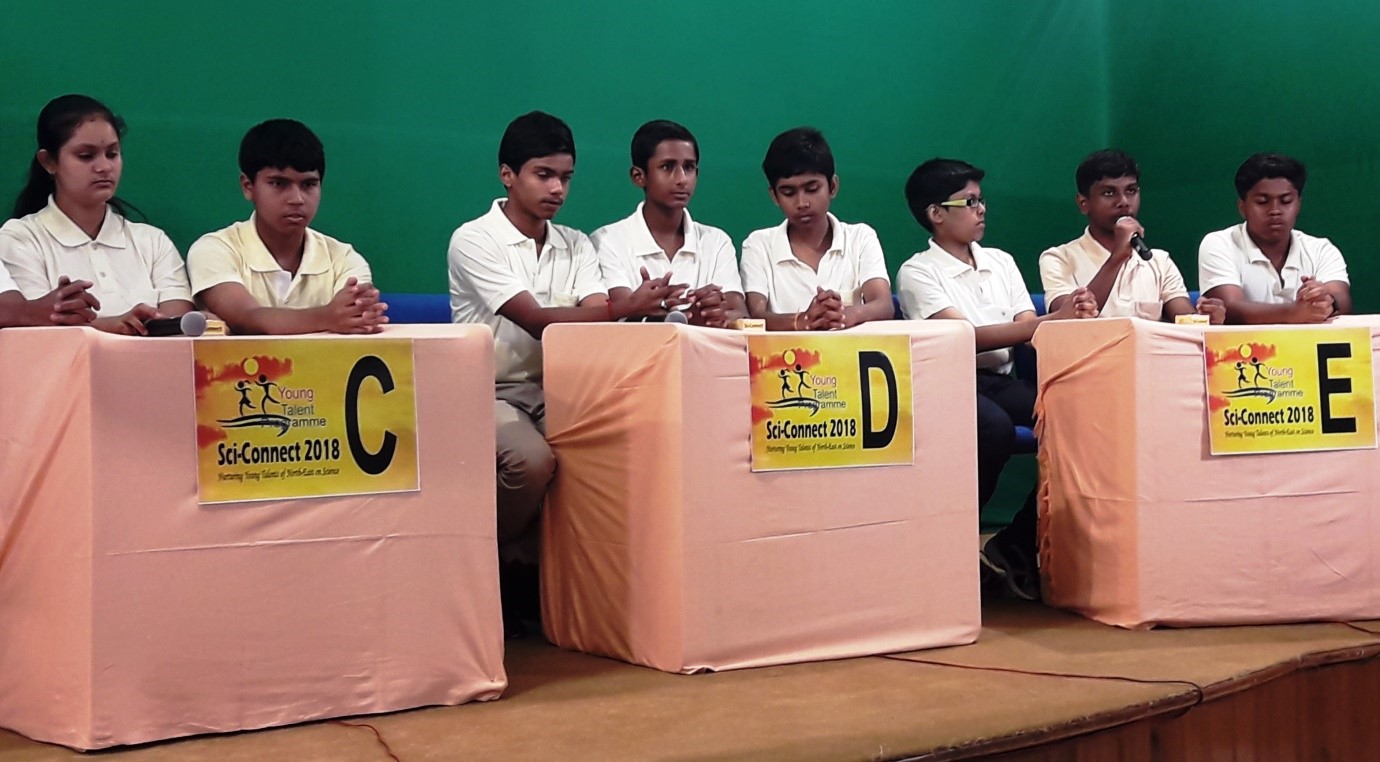
Children participating in quiz during Sci-Connect in Gangtok this week

Making Science Education Fun for Schools Kids in NE India

In order to promote scientific temper and original thinking in school kids, a programme is underway in remote areas of the Northeast. Children are shown a series of short films on a range of subjects, and then a quiz competition is held along with hands-on activities

  • News
  • 2.2K
Read more
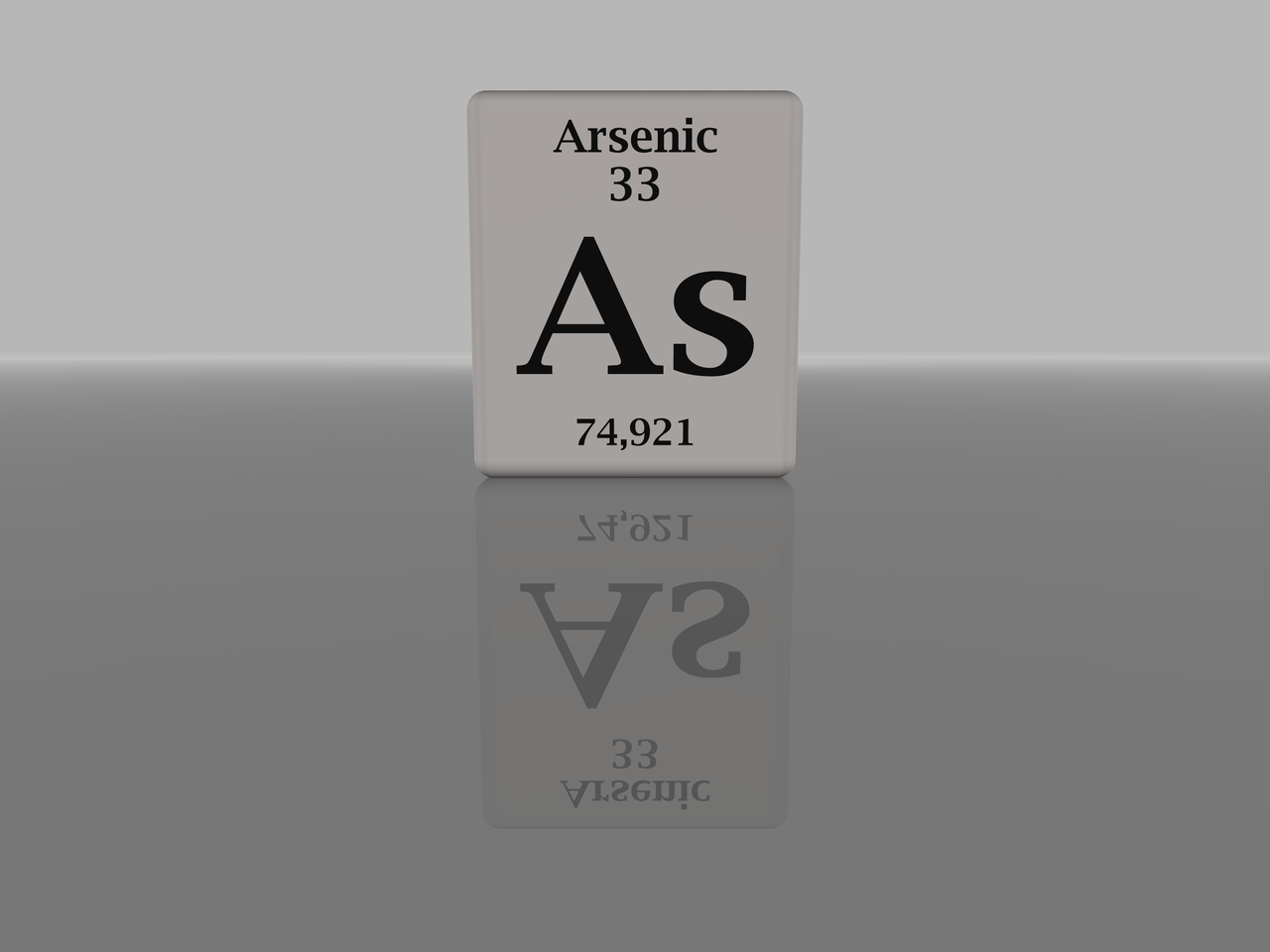
Arsenic May Help Kill Liver Cancer Cells

Arsenic May Help Kill Liver Cancer Cells

A new study by a collaborative team of researchers from India and America has found that Arsenic Trioxide - a naturally occurring metalloid – may be helpful in inducing cell death and also halt the growth of liver cancer cells

  • News
  • 2.6K
Read more

IHBT Scientists Develop New Hand Sanitizer

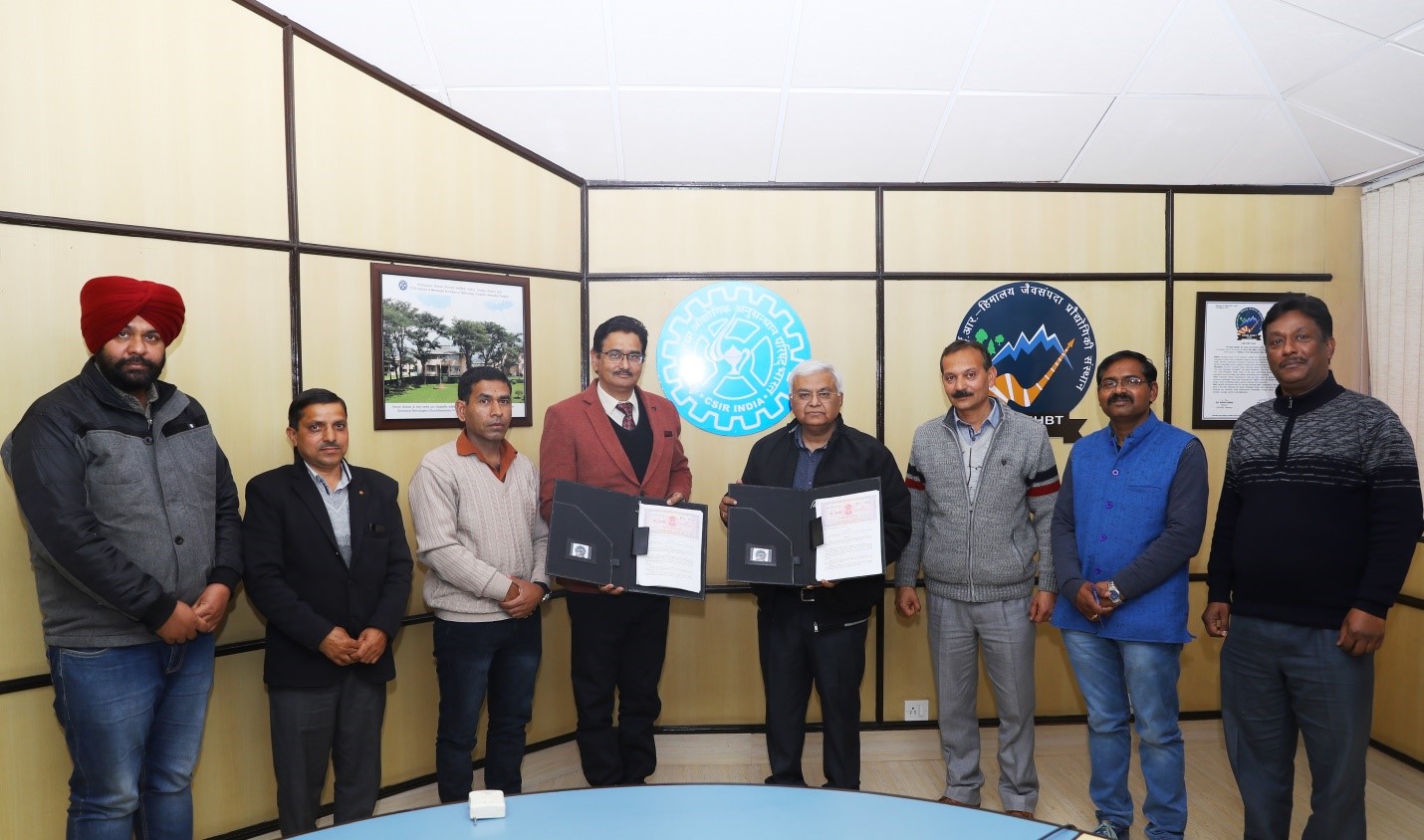
A new hand-sanitizer has been developed by the scientists of CSIR-Institute of Himalayan Bioresource Technology

  • News
  • 2.9K
Read more

Internet is huge! Help us find great content

Newsletter

Never miss a thing! Sign up for our newsletter to stay updated.

About

Research Stash is a curated collection of tools and News for S.T.E.M researchers

Have any questions or want to partner with us? Reach us at [email protected]

Navigation

Submit